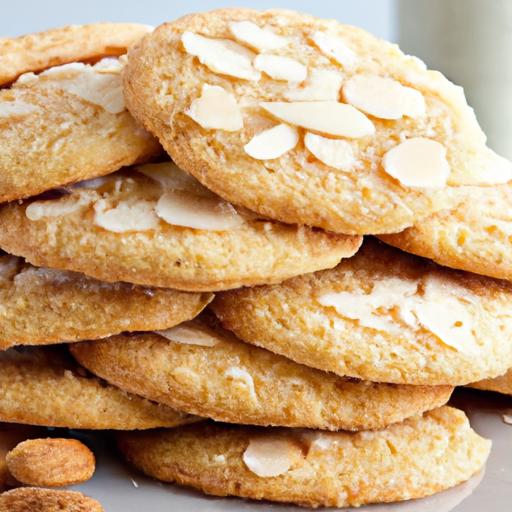


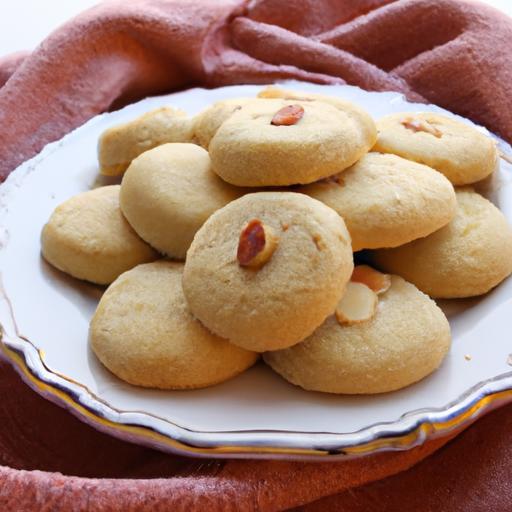
In the sun-kissed courtyards of North Africa, where fragrant spices dance on warm desert breezes and ancient tales linger in bustling souks, a timeless delicacy has been quietly enchanting generations: the almond cookie. More than just a sweet treat, these cookies are a cultural emblem, weaving together history, tradition, and the humble almond in a symphony of flavor and texture. Join us as we embark on a tantalizing journey through the almond cookies of North Africa-a sweet tradition unveiled, revealing the stories and secrets baked into every crumb.
Almond cookies of North Africa carry centuries of rich tradition within their delicate, buttery crumb. This beloved treat reflects the region’s deep connection to aromatic spices, the bounty of almond orchards, and the skilled hands of home bakers who pass down recipes through generations.Each bite is a journey into the heart of North African culture, where almonds symbolize hospitality, celebration, and the artistry of culinary heritage.
Prep and Cook Time
- Preparation: 20 minutes
- Chilling: 30 minutes
- Baking: 15-18 minutes
- Total Time: Approximately 1 hour 10 minutes
Yield
About 24 almond cookies (depending on size)
Difficulty Level
Medium – Ideal for bakers with some experience who want to explore authentic North African flavors.
Ingredients
- 2 cups almond flour (finely ground)
- 1 cup all-purpose flour, sifted
- 3/4 cup powdered sugar
- 1/2 cup unsalted butter, melted and cooled
- 1 large egg
- 1 tsp pure vanilla extract
- 1/2 tsp ground cinnamon
- 1/4 tsp ground orange blossom water (optional for fragrance)
- Pinch of salt
- Whole almonds, blanched and toasted for garnish
Instructions
- Prepare your workspace: Preheat the oven to 350°F (175°C).Line a baking sheet with parchment paper or a silicone mat for easy release.
- Mix dry ingredients: In a large bowl, combine the almond flour, sifted all-purpose flour, powdered sugar, cinnamon, orange blossom water, and salt.Whisk gently to blend evenly.
- Add wet ingredients: Make a well in the middle and add the melted butter, egg, and vanilla extract. Using a spatula or your hands, mix untill the dough forms a smooth, slightly sticky ball. Avoid overmixing to maintain a tender crumb.
- Chill the dough: Cover the dough with plastic wrap and refrigerate for at least 30 minutes.This helps the cookies hold their shape during baking and intensifies flavors.
- Shape the cookies: Pinch off small amounts (about 1 tablespoon each) and roll into smooth balls. Place them evenly spaced on the prepared baking sheet.Gently press a toasted almond into the center of each ball.
- Bake: Place cookies in the oven and bake for 15 to 18 minutes, until the edges turn a light golden brown but the centers remain soft – a hallmark of almond cookies of North Africa.
- Cool and serve: Let cookies cool on the baking sheet for 5 minutes before transferring them to a wire rack. This prevents breakage and ensures perfect texture.
Tips for Success
- use finely ground almond flour: This ensures a smooth dough and delicate crumb. Coarser almond meal results in a rougher texture.
- Chilling is crucial: Do not skip chilling the dough; this prevents spreading and enhances flavor complexity.
- Substitutions: For a gluten-free version, replace all-purpose flour with extra almond flour or a gluten-free blend.
- Flavor enhancements: Orange blossom water or rose water adds authentic floral notes but use sparingly to avoid overpowering the almonds.
- Make ahead: Dough can be refrigerated up to 24 hours before baking – just allow it to come to room temperature slightly before shaping.
Serving Suggestions
These almond cookies of North Africa pair beautifully with a steaming cup of Moroccan mint tea or a rich cardamom-infused coffee. For a festive touch, dust lightly with powdered sugar or drizzle with a light honey glaze just before serving. Presentation with edible rose petals or crushed pistachios garnishing the plate brings a vibrant charm reflecting the region’s colorful markets and hospitality. Serve on delicate porcelain to elevate the experience.
| Nutrient | Per 2 Cookies |
|---|---|
| Calories | 150 kcal |
| protein | 4 g |
| Carbohydrates | 14 g |
| Fat | 9 g |
Discover more about Moroccan mint tea to complement your almond cookie experience perfectly. For a deeper dive into the cultural history of North African desserts, consult Britannica’s article on Maghreb cuisine.

Q&A
Q&A: Almond Cookies of North Africa – A Sweet Tradition Unveiled
Q1: What makes North African almond cookies unique compared to other almond cookies around the world?
A: North African almond cookies are a fragrant blend of simplicity and heritage. Unlike their Western counterparts, which ofen emphasize rich butter or chocolate, these cookies highlight the natural sweetness of almonds combined with subtle floral notes from orange blossom water and an inviting hint of cinnamon or anise. Their texture ranges from delicately crisp to chewy, reflecting centuries-old recipes that balance tradition and regional flavors.
Q2: Which countries in North Africa are best known for their almond cookies?
A: Morocco,Tunisia,and Algeria are the heartlands of these nutty delicacies. Each country boasts its own spin on almond cookies, from the soft, melt-in-your-mouth Ghriba of Morocco to Tunisia’s spiced almond Makroudh varieties. These cookies often appear during festive occasions, symbolizing hospitality and celebration.
Q3: What ingredients are essential in traditional North African almond cookies?
A: At the core is finely ground almonds, often paired with sugar or honey for sweetness. Orange blossom water is a defining ingredient, lending a delicate floral aroma. Other common additions include sesame seeds, anise, cinnamon, and occasionally a dusting of powdered sugar. Unlike many Western cookies, butter may be minimal or replaced with olive oil or almond oil, giving a distinct texture and flavor.
Q4: how do almond cookies fit into North African culture and celebrations?
A: Almond cookies are not just treats but cultural symbols. They are staples during religious festivals such as Eid al-Fitr, weddings, and family gatherings. Serving these cookies conveys generosity and the joy of sharing. Their preparation is often a communal activity, weaving together family stories and traditions, preserving the culinary heritage through generations.
Q5: Can almond cookies be adapted for modern dietary preferences without losing their essence?
A: Absolutely. The naturally gluten-free nature of almond flour makes these cookies friendly for gluten-sensitive diets. Sweetness can be adjusted with natural alternatives like date syrup or agave. Vegan versions frequently enough substitute honey with plant-based syrups and replace eggs with flax or chia seeds, maintaining the chewy, nutty character. While modern twists flourish, the heart of the cookie-the almond and aromatic essence-remains intact.
Q6: What is the past meaning behind these almond confections?
A: Almonds have long been cherished in North Africa, cultivated across the Mediterranean basin for thousands of years. The region’s almond cookies echo the crossroads of Arab, Berber, and Mediterranean influences, encapsulating a culinary history that dates back to ancient trade routes. These cookies tell a story of cultural exchange, adaptation, and the sweet joys of Mediterranean life.
Q7: What tips would you give to someone attempting to make authentic North African almond cookies at home?
A: Start with high-quality blanched almonds,finely ground for the right texture.Don’t skimp on the orange blossom water-it’s the soul of the cookie’s aroma. Handle the dough gently; many recipes call for chilling to help the cookies keep their shape. Use a light hand with decorations such as sesame seeds or powdered sugar to enhance, not overpower. embrace patience-these cookies frequently enough improve as they rest, allowing flavors to meld and textures to perfect.
Delving into the sweet tradition of North african almond cookies is like taking a bite of history infused with fragrant blossoms and nutty warmth-a delicious journey that invites you to connect with culture, family, and timeless flavors.
In Summary
As the scent of toasted almonds and fragrant spices lingers in the air, the almond cookies of North africa stand as more than just a sweet treat-they are edible echoes of history, culture, and artistry. From bustling medinas to serene desert gatherings, these delicate confections weave together generations of tradition with each buttery bite. Whether shared during festive celebrations or enjoyed as a humble everyday indulgence, almond cookies invite us to savor a taste that is both timeless and deeply rooted in the vibrant tapestry of North African life. By uncovering their story, we not only appreciate a beloved delicacy but also glimpse the rich cultural heritage that continues to inspire and delight.