

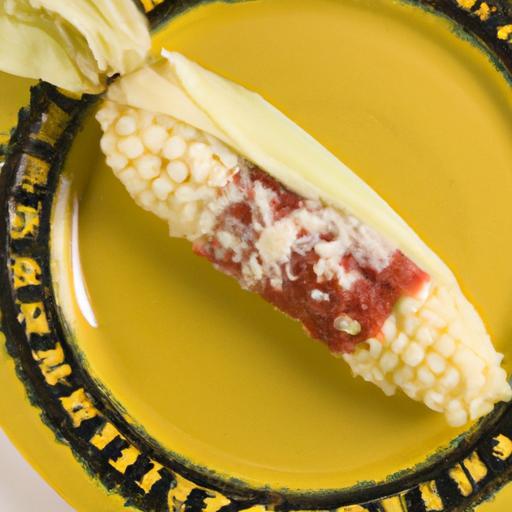
Nestled along the vibrant coasts of West Africa, Togo’s Corn Dough stands as a timeless symbol of tradition, unity, and cultural pride. Among the culinary treasures of Togo, Togo’s Corn Dough holds a special place — a dish that transcends generations and continues to nourish both body and spirit. Known locally as Akple, Togo’s Corn Dough embodies simplicity and flavor, transforming humble cornmeal into a dish celebrated for its comforting texture and authentic taste. In every Togolese home, Togo’s Corn Dough represents more than food — it’s a ritual of gathering, a gesture of hospitality, and a reflection of shared heritage.
For centuries, Togo’s Corn Dough has been prepared with care, shaped by skilled hands, and paired with vibrant sauces that highlight the heart of Togolese cuisine. From spicy okra stews to rich peanut soups, Togo’s Corn Dough complements every flavor with its soft, elastic texture and earthy aroma. The process of fermenting and cooking Togo’s Corn Dough connects families through time, linking modern kitchens with ancestral wisdom. Each bowl of Togo’s Corn Dough tells a story of resilience, community, and the enduring love of traditional food.
When you prepare Togo’s Corn Dough at home, you’re not just cooking — you’re preserving a legacy. The act of stirring, kneading, and shaping Togo’s Corn Dough brings you closer to Togo’s cultural soul. Whether shared at family gatherings or served alongside festive dishes, Togo’s Corn Dough remains the heartbeat of Togolese cuisine, offering comfort, nourishment, and authenticity in every mouthful.
Through Togo’s Corn Dough, the story of Togo’s culinary artistry continues to thrive — a story of humble ingredients elevated by tradition and love.
Prep and Cook Time
- Preparation: 15 minutes
- Cooking: 40 minutes
- Total: 55 minutes
Yield
Serves 4 hearty portions.
Difficulty Level
Medium – While the method is straightforward,mastering the right dough texture requires patience and practice.
Ingredients
- 2 cups fermented corn dough (preferably white corn, fermented overnight for authentic flavor)
- 3 cups water (room temperature)
- 1 teaspoon salt
- 1 tablespoon palm oil (optional, for enhanced richness)
Instructions to Master Authentic Akple
- Combine water and salt: Pour 2 1/2 cups of water into a heavy-bottomed pot and add the salt. Bring the mixture to a gentle boil over medium heat.
- Gradually stir in the fermented corn dough: Using your hand or a sturdy wooden spatula, slowly sprinkle the akple dough into the boiling water, stirring continuously to avoid lumps and ensure a smooth consistency.
- Cook and thicken: Reduce the heat to low and keep stirring vigorously as the dough thickens. This step is crucial; continue stirring for about 20-25 minutes until the mixture becomes dense and stretchy, similar to firm polenta consistency.
- Add palm oil: Drizzle the palm oil over the dough,sculpting it with your spatula into smooth mounds. The palm oil gives an inviting sheen and subtle flavor that enhances authenticity.
- steam to finish: Cover the pot and let the akple steam on low heat for an additional 10 minutes. this final step ensures the dough is fully cooked through and develops that signature elastic texture.
- Shape and serve: Wet a bowl or your hands with cold water to prevent sticking, then scoop and mold akple into rounded balls or traditional shapes. Serve promptly while warm.
Chef’s Notes: Tips for Success
- fermentation is key: The classic tang and depth of akple derive from properly fermented corn dough. If unavailable, lightly ferment cornmeal overnight in a warm place for authenticity.
- Stir tirelessly: Patience and constant stirring prevent lumps and yield that smooth, chewy texture essential to akple.
- Water adjustment: Slightly add or reduce water depending on the dough’s absorption; consistency should be firm but moldable.
- Make-ahead: Reheat gently with a splash of water or stock, stirring until pliable.
- Substitution: If palm oil is unavailable, a toasted vegetable oil can substitute, but the unique aroma and color of palm oil are hard to replicate.
Serving Suggestions: Elevate your Akple Experience
Akple shines when paired with flavorful,vibrant sauces reflecting Togo’s rich culinary heritage. Classic accompaniments include:
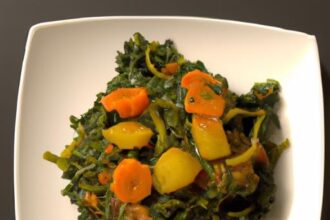
- Gboma dessi (spinach stew): A savory blend of spinach,onions,and fermented fish or shrimp creates a luscious,earthy complement.
- Fishermen’s sauce: A spicy tomato-based stew loaded with fish, peppers, and local spices that kiss each bite of the dough.
- Groundnut (peanut) sauce: Creamy and nutty,this sauce adds a luscious texture and deep flavor contrast to the akple.
Garnish your plate with freshly chopped chili peppers, sliced onions, and a drizzle of palm oil for a colorful, authentic presentation. Serve alongside steamed greens or smoked fish for a complete, satisfying meal.

| Nutrient | Per Serving |
|---|---|
| Calories | 230 kcal |
| Protein | 5 g |
| Carbohydrates | 48 g |
| Fat | 2 g (including palm oil) |
Discover more about West African flavors in our article on Togolese Fish Stew. For cultural context and fermentation techniques, visit Encyclopaedia britannica.
Q&A
Q&A: Akple – Discover Togo’s Corn Dough Delight and Tradition
Q1: what is Akple?
A1: Akple is a cherished traditional dish from Togo, crafted from finely ground corn dough. Often described as a smooth, firm dough, Akple is both a comfort food and a cultural symbol, embodying the heart and soul of Togolese culinary heritage.
Q2: How is Akple made?
A2: Making Akple is an art form passed down through generations. Corn flour is mixed with water and stirred vigorously over heat until it thickens into a dense, elastic dough. The process requires patience and strength, as the mixture must be continuously moved to achieve the perfect texture – smooth, yet firmly holding its shape.
Q3: What does Akple taste like?
A3: Akple offers a mild, slightly sweet corn flavor, providing a gentle base that complements a variety of savory accompaniments. Its texture is both tender and chewy, inviting you to savor each bite alongside rich stews or spicy sauces.
Q4: How is Akple traditionally served?
A4: traditionally, Akple is shaped by hand into small balls or mounds and plated alongside flavorful soups or sauces made from ingredients like okra, fish, or vegetables. Eating Akple is often a communal experience, with everyone sharing from a central dish, highlighting the strong sense of community in Togolese culture.
Q5: What cultural significance does Akple hold in Togo?
A5: Beyond being a staple food, Akple is a cultural emblem that connects families and communities. It’s frequently enough featured in celebrations and communal gatherings, symbolizing unity, nourishment, and the embracing warmth of Togolese hospitality.
Q6: Can foreigners try making Akple at home?
A6: Absolutely! While the stirring process can be a workout, with the right corn flour and a bit of practice, anyone can recreate Akple’s magic. Pair it with a spicy tomato-based sauce or a hearty vegetable stew to experience a slice of togolese tradition in your own kitchen.
Q7: Where can one taste authentic Akple outside Togo?
A7: Authentic Akple is best savored in Togo’s bustling markets and family kitchens, but West African restaurants around the world are increasingly featuring this delightful dish on their menus. Seeking out these eateries can transport your taste buds straight to the vibrant heart of Togo.
Q8: Why should food lovers explore Akple?
A8: For those hungry to explore global flavors and culinary traditions, Akple offers a humble yet profound taste of Togo’s rich cultural tapestry. It’s more than a dish-it’s a connection to history, community, and the timeless joy of sharing good food.
The Way Forward
As the last grains of Akple settle on your tongue, you’ll find that this humble corn dough carries more than just flavor-it carries the heartbeat of Togo’s rich cultural tapestry. From bustling market stalls to family gatherings, Akple is more than a dish; it’s a delicious bridge connecting generations, traditions, and stories passed down with every stirring and shaping.Whether you’re a curious traveler or a devoted foodie, embracing Akple invites you to savor not only a meal but a vibrant chapter of Togo’s culinary heritage-one bite at a time.