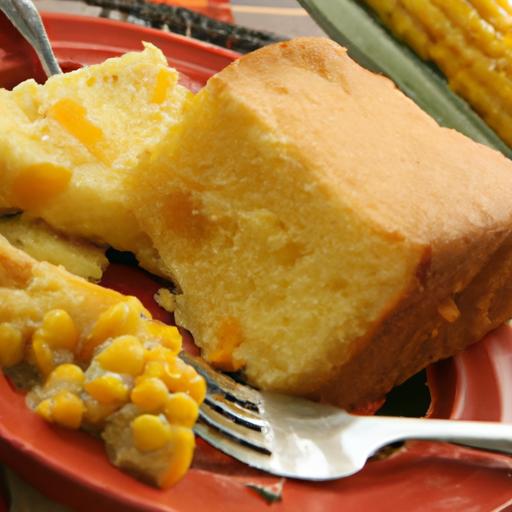

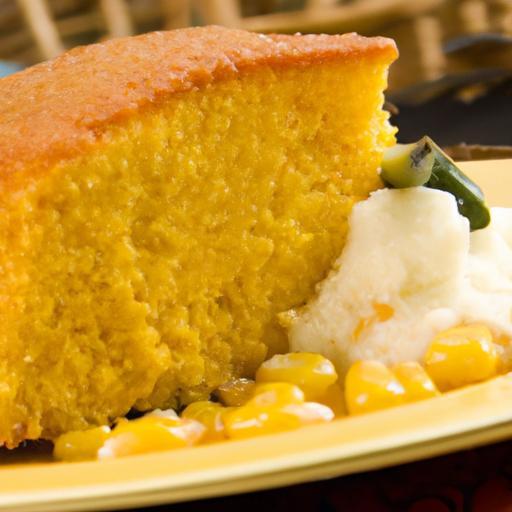
Golden kernels shimmering under the sun have always symbolized abundance and sustenance, and few foods capture this essence as beautifully as cornbread. From humble kitchens to festive tables, cornbread carries a rich story that stretches back centuries, weaving through indigenous traditions, colonial influences, and the soulful heritage of Southern cooking. More than just a simple side dish, cornbread represents resilience, culture, and culinary ingenuity. In this article, we’ll journey through the golden harvest of corn, uncover the origins and evolution of cornbread, and share a time-honored cornbread recipe that brings this beloved classic to life in your own kitchen.
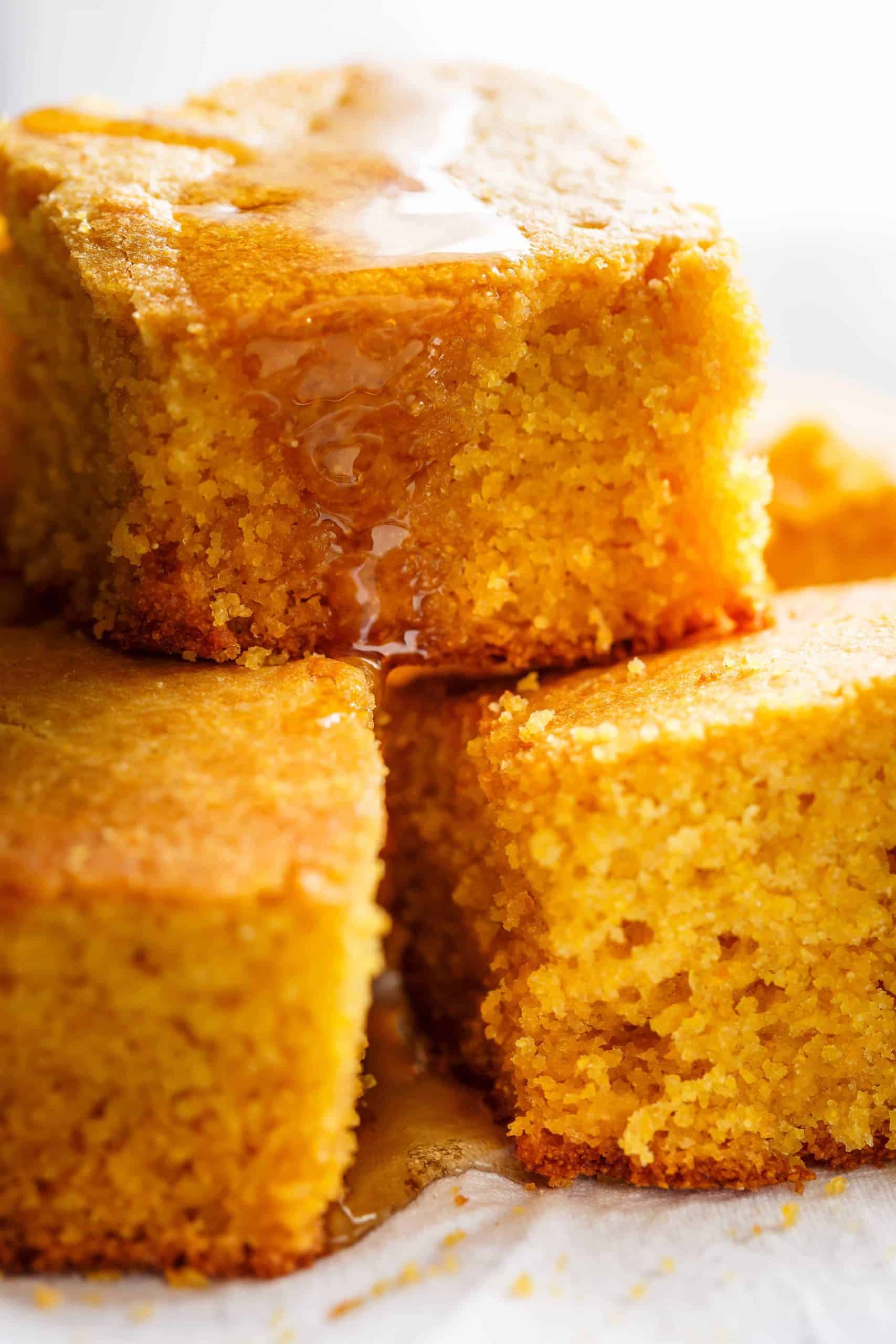
Prep and Cook Time
- Preparation: 10 minutes
- Cooking: 25 minutes
- Total Time: 35 minutes
yield
serves 8 generous slices
Difficulty Level
Easy – perfect for both beginners and seasoned bakers alike
Ingredients
- 1 cup yellow cornmeal, finely ground for the best texture
- 1 cup all-purpose flour, sifted
- 1/4 cup granulated sugar (adjust to taste for sweetness)
- 1 tablespoon baking powder
- 1/2 teaspoon salt
- 1 cup whole milk, warmed for tenderness
- 2 large eggs, beaten
- 1/4 cup unsalted butter, melted and slightly cooled
- Optional: 1 cup creamed corn for added moisture and sweetness
Instructions
- Preheat your oven to 400°F (200°C). Lightly grease a 9-inch cast-iron skillet or an 8×8-inch baking dish – cast iron lends that classic crisp crust and golden hue.
- Mix the dry ingredients: In a large bowl, whisk together the cornmeal, flour, sugar, baking powder, and salt until evenly combined.
- Combine wet ingredients: In a separate bowl, stir together the warm milk, beaten eggs, melted butter, and creamed corn if using. The warmth of the milk helps activate the baking powder for optimal rise.
- Slowly add the wet mixture to the dry ingredients, folding gently to form a smooth batter. Avoid overmixing, which can make the cornbread dense.
- Pour batter into the prepared skillet or pan, spreading evenly with a spatula.The batter should be thick but pourable.
- Bake for 20-25 minutes, or until the top is a rich golden brown and a toothpick inserted in the center comes out clean.
- Cool briefly: Let the cornbread rest for 10 minutes before slicing to achieve a moist yet firm texture that holds together beautifully.
Tips for Success: Mastering Texture and Flavor
- Texture balance is key: For a tender crumb with a slight crunch, use fine cornmeal and warm milk. Avoid coarse cornmeal which produces a gritty texture.
- Keep moisture locked in: Adding creamed corn or substituting half the milk for buttermilk enhances softness and flavor.
- Cast iron skillet magic: A preheated skillet ensures a crispy crust while keeping the inside moist and fluffy.
- Do not overmix: Stir only until combined to prevent tough bread.
- Adjust sweetness: Increase sugar slightly for northern-style sweeter cornbread or omit for the rustic southern version.
Serving Suggestions
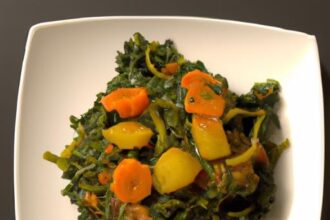
Cornbread shines at any table but especially complements hearty dishes like chili, barbecued ribs, and collard greens. Serve warm, slathered with whipped honey butter or a drizzle of maple syrup to enhance its golden charm. Garnish with freshly chopped chives or a sprinkle of smoked paprika for a colorful, aromatic twist.

| Nutrient | Per Serving (1 Slice) |
|---|---|
| Calories | 210 |
| Protein | 5g |
| Carbohydrates | 28g |
| Fat | 8g |
Embrace the heartwarming tradition of Golden Harvest cornbread by exploring its rich history and savoring every golden crumb. For more Southern culinary favorites, check out our collection of Southern cooking recipes. For a deeper dive into maize’s cultural importance, consult the comprehensive resources at National Park service on Corn and Indigenous Cultures.
Q&A
Q&A: Golden Harvest – The Rich History and Recipe of Cornbread
Q1: What is cornbread, and why is it called the “Golden Harvest”?
A1: Cornbread is a classic baked good, made primarily from cornmeal, that has nourished countless generations across the Americas. It’s affectionately dubbed the “Golden Harvest” because it celebrates the vibrant, sun-kissed kernels of corn-the staple grain that symbolizes abundance, warmth, and the fruits of a bountiful season.
Q2: How did cornbread originate?
A2: Cornbread’s roots stretch deep into the history of Native American tribes who first cultivated maize thousands of years ago. they prepared simple breads from ground corn, often cooking them on hot stones or clay griddles.When European settlers arrived, they embraced cornmeal as an accessible alternative to wheat, transforming those ancient recipes into the cornbread varieties we cherish today.
Q3: What makes cornbread so culturally significant?
A3: Cornbread embodies resilience and adaptation. It’s more than a side dish; it’s a culinary storyteller. From Native American traditions to Southern soul food kitchens, cornbread has been a symbol of home, survival, and hospitality. It speaks of farming communities,of harvest celebrations,and of the melding of cultures over centuries.
Q4: Are there different styles of cornbread?
A4: Absolutely! Cornbread is wonderfully versatile.In the Southern United States,you’ll find moist,slightly sweet baked cornbread frequently enough made with buttermilk. Northern versions generally lean sturdier and less sweet, more like hush puppies.Mexico offers its own twist with corn tortillas and pan de elote. Each region adds its own texture, flavor, and spirit to this golden treasure.
Q5: What is a classic cornbread recipe to try at home?
A5: Here’s a simple and flavorful recipe that honors tradition:
Ingredients:
- 1 cup cornmeal
- 1 cup all-purpose flour
- 1/4 cup sugar
- 1 tablespoon baking powder
- 1/2 teaspoon salt
- 1 cup buttermilk
- 2 large eggs
- 1/4 cup melted butter or bacon drippings
Directions:
- Preheat your oven to 425°F (220°C). Grease an 8-inch square pan or cast-iron skillet.
- In a large bowl, stir together cornmeal, flour, sugar, baking powder, and salt.
- In another bowl, whisk buttermilk, eggs, and melted butter.
- Combine wet and dry ingredients until just mixed – don’t overbeat!
- Pour batter into the pan, bake for 20-25 minutes, until golden and a toothpick comes out clean.
- Let cool slightly, slice, and serve warm with butter or honey.
Q6: Any tips for the perfect cornbread?
A6: For a tender crumb, avoid overmixing the batter.Preheating the cast-iron skillet adds a crispy, caramelized crust that’s pure magic. If you like a touch of smokiness, try using bacon drippings instead of butter. For extra flair, toss in jalapeños, cheddar, or roasted corn kernels. Most importantly, enjoy the process as much as the golden, fragrant result!
Q7: Why does cornbread remain a beloved food today?
A7: Cornbread’s enduring appeal lies in its simplicity and soul. It’s humble yet hearty, a dish that connects us to the land and to each othre. Whether breaking bread around a family table or celebrating a harvest festival, cornbread continues to be a warm, golden thread in the fabric of culinary history-reminding us of the richness in tradition and the joy found in sharing food.
Future Outlook
From humble beginnings in ancient fields to the warm embrace of today’s dinner tables, cornbread carries with it a rich tapestry of history and flavor.This golden harvest is more than just a side dish-it’s a story baked into every crumb, a testament to the enduring bond between culture, tradition, and community. Whether enjoyed sweet or savory, fluffy or crumbly, cornbread continues to nourish both body and soul, inviting us all to savor a piece of the past while creating new memories for the future. So next time you break off a warm slice,remember: you’re tasting a legacy as rich and comforting as the bread itself.