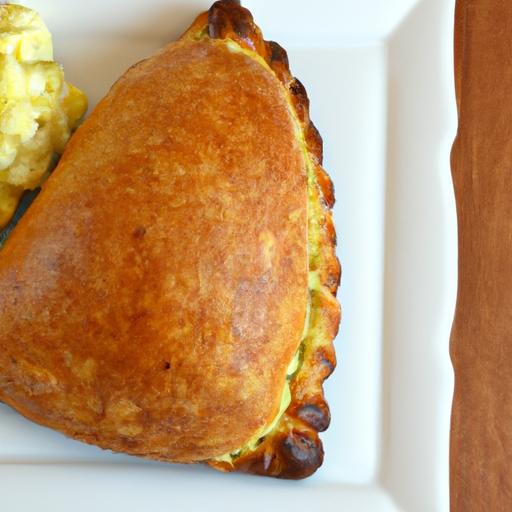
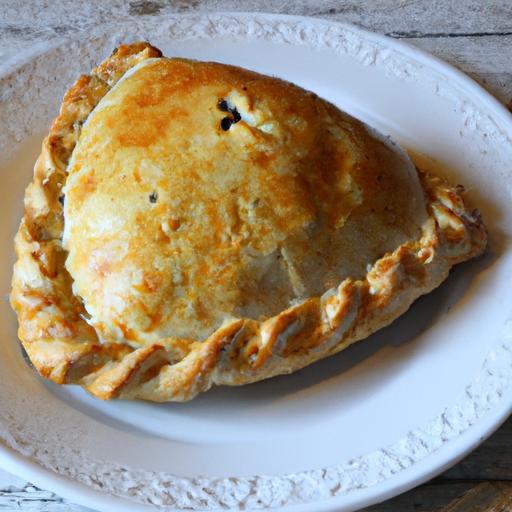
there’s something undeniably magical about the humble Cornish pasty-a golden, flaky pastry pocket bursting with hearty fillings that tell a story of tradition, craftsmanship, and comfort. From the windswept coasts of Cornwall to kitchens across the globe, this iconic British delicacy has captured the hearts and appetites of food lovers everywhere. But with countless bakeries and cafés claiming to offer “the best,” where does one truly find the ultimate Cornish pasty experience? In this guide, we’ll embark on a delicious journey through the rich history, authentic recipes, and must-visit spots that celebrate the pasty in all its glorious forms. Whether you’re a seasoned pasty aficionado or a curious newcomer, prepare to uncover the secrets behind the best Cornish pasties around-one flaky bite at a time.
Cornish pasties have long been celebrated as a quintessential British comfort food, steeped in history and local tradition. From the rugged coasts of Cornwall where miners first crafted them for hearty lunchtimes, to artisan bakeries worldwide, the allure of the Cornish pasty lies in its perfect harmony of flaky pastry and rich, savory filling. This recipe explores what makes the Cornish pasty authentic and irresistible, while inviting you to experiment with regional variations and discover unique flavor twists that elevate this rustic classic.
Prep and Cook Time
Preparation: 30 minutes | Cooking: 1 hour 15 minutes | Total Time: 1 hour 45 minutes
Yield
Makes 6 traditional Cornish pasties
Difficulty Level
medium – requires some pastry handling and precise filling balance
Ingredients
- 500g strong bread flour,sifted
- 250g unsalted butter,cold and diced
- 125ml cold water
- 1 tsp salt
- 350g skirt steak or chuck beef,trimmed and diced
- 2 medium potatoes,peeled and finely diced
- 1 medium onion,finely chopped
- 150g swede (rutabaga),peeled and finely diced
- Salt and freshly ground black pepper,to taste
- 1 egg,beaten (for glazing)
- 1 tsp Worcestershire sauce (optional,for traditional tang)
Instructions
- Make the pastry: In a large bowl,rub the cold butter into the flour until the mixture resembles fine breadcrumbs. Add salt and gradually stir in cold water to form a firm dough. Wrap in cling film and chill for 30 minutes to relax.
- Prepare the filling: Combine diced beef, potatoes, swede, and onions in a bowl. Season generously with salt, pepper, and Worcestershire sauce if using. Mix gently to distribute flavors evenly but avoid overmixing to keep fillings distinct.
- Preheat the oven: Set the oven to 220°C (425°F) / Gas Mark 7.
- Roll out the pastry: Divide chilled dough into six equal portions. On a floured surface, roll each piece into a circle about 20cm (8 inches) across, ensuring even thickness to avoid soggy spots.
- Assemble the pasties: Spoon a generous portion of the filling onto one half of each pastry circle, leaving a 2cm border. Brush the border with cold water to help seal. Fold the pastry over and crimp the edges firmly to create the characteristic “dint.” Prick the top with a fork for steam release.
- Glaze and bake: Place pasties on a baking sheet lined with parchment. Brush with beaten egg for a golden finish. Bake for 15 minutes at 220°C then reduce heat to 180°C (350°F) and bake for a further 45-50 minutes until golden and cooked through.
- Rest and serve: Allow pasties to cool slightly on a wire rack. This helps the filling set and makes them easier to slice.
Chef’s Notes: Tips for Success
- Pastry Matters: Using strong bread flour ensures a flaky yet sturdy crust that holds the filling during baking and eating.
- Filling Consistency: Finely dice vegetables to balance textures – too large and they may steal focus,too small and you lose that rustic bite.
- Make-Ahead: Pasties can be prepared in advance and frozen raw. Bake from frozen with an additional 10 minutes in the oven for fresh-from-the-oven enjoyability.
- Regional Twists: Try adding finely chopped leeks for a West Cornwall touch or a splash of stout beer for deep maltiness.
- Sealing the Dint: A well-crimped edge is both traditional and essential to keep the delicious juices inside, so take your time perfecting this step.
Serving Suggestions
For an authentic experience, serve your Cornish pasty warm with a side of tangy piccalilli or a crisp green salad dressed lightly in mustard vinaigrette. A dollop of creamy horseradish sauce or Branston pickle adds a delightful contrast.

Nutritional Facts (Per Serving)
| Calories | Protein | Carbohydrates | Fat |
|---|---|---|---|
| 420 kcal | 28 g | 35 g | 18 g |
Exploring Regional Variations in Cornish Pasties
While the classic Cornish pasty sticks to beef, potato, swede, and onion, regional variations celebrate local ingredients. In Devon, denser cheeses frequently enough appear within flaky pastries, while Scottish renditions may incorporate venison or salmon. Thes adaptations keep the pasty relevant and exciting,inviting home cooks and bakers to personalize this beloved dish while respecting tradition.
Top Artisanal Bakers Crafting the Finest Cornish Pasties Today
Across Cornwall and beyond, artisanal bakers like Pasty Maker and Porthleven’s renowned SDA’s Bakery continue to champion authentic recipes with artisanal flair, using locally sourced ingredients and time-honored techniques. Their dedication ensures that every bite captures the essence of Cornwall’s heritage.
Insider Tips for Perfect Pairings
The best Cornish pasties shine brightest alongside thoughtfully chosen accompaniments. Opt for a crunchy, peppery rocket salad to cut through richness or roasted root vegetables that echo the pasty’s filling. Tea lovers might enjoy a strong black tea brewed traditionally with milk.
Discover more about heritage British recipes in our Ultimate Guide to Traditional British Cuisine and elevate your culinary repertoire with every dish.
Q&A
Q&A: The Ultimate Guide to the Best Cornish Pasties Around
Q1: What exactly is a Cornish pasty?
A1: A Cornish pasty is a traditional British pastry originating from Cornwall. It’s a hearty handheld pie, typically filled with beef, potatoes, swede (rutabaga), and onions, all enclosed in a crimped, golden-brown pastry shell. Originally a miner’s lunch, it’s now a beloved comfort food with a Protected Geographical Indication (PGI) status, meaning only pasties made in Cornwall and adhering to traditional methods can be called “Cornish.”
Q2: Why are Cornish pasties so special compared to other pies or pastries?
A2: Cornish pasties are more than just a tasty snack; they’re steeped in history and craftsmanship. The unique crimping technique-pinching the dough’s edge-was designed for miners to hold the pastry with dirty hands, discarding the crust afterward to avoid contamination. The perfect balance of savory filling and flaky pastry makes every bite a harmonious blend of textures and flavours, a testament to regional pride and culinary ingenuity.
Q3: What should I look for when choosing the best Cornish pasty?
A3: The best Cornish pasties boast a crisp, buttery pastry, generously packed with fresh, well-seasoned ingredients. Look for a distinct golden crimp, a balanced filling (not too dry or watery), and authentic flavours that honor tradition-like tender chunks of beef and subtly sweet swede. Bonus points if the pasty has a rich gravy or a hint of herbs to elevate the taste.
Q4: Are there variations of the traditional Cornish pasty worth trying?
A4: Absolutely! While the classic beef and root vegetable pasty reigns supreme, Cornwall’s culinary scene embraces creativity. You’ll find ingenious twists like vegetarian pasties filled with mushrooms and stilton, seafood pasties bursting with fresh fish and herbs, or even sweet versions with fillings such as apple and cinnamon. Each offers a delightful spin while respecting the pasty’s heart and soul.
Q5: Where can I find the best Cornish pasties when visiting Cornwall?
A5: For an authentic experience, head to local bakeries and pasty shops in towns like Penzance, St Ives, or Truro. Notable spots include the legendary Ginsters, award-winning Pasty Shop in Penzance, and smaller family-run bakeries where recipes have been handed down for generations. Don’t hesitate to ask locals for hidden gems-they often know the best-kept secrets!
Q6: Can I make Cornish pasties at home?
A6: You can! Making Cornish pasties at home is a satisfying project, requiring quality ingredients and a bit of patience to perfect the crimping technique. Many recipes online provide step-by-step guidance, but the key is using cold butter for flaky pastry and chopping your filling evenly for consistent cooking. Homemade pasties deliver a fresh, warm taste that rivals any bakery.
Q7: Why is the Cornish pasty protected by law?
A7: the Cornish pasty was granted PGI status by the European Union in 2011 to preserve its heritage,quality,and regional identity. This legal protection means that to be called a “Cornish pasty,” the product must be made in Cornwall, using a traditional recipe that includes beef, swede, potatoes, and onions, and shaped with the iconic crimp on the side.It safeguards Cornwall’s cultural legacy and prevents imitation.
Q8: What’s the best way to enjoy a Cornish pasty?
A8: Ideally, enjoy your Cornish pasty warm, straight from the bakery-or freshly heated at home. Pair it with a dollop of English mustard or a side of mushy peas if you’re feeling adventurous. Whether savoured on a windswept Cornish beach or at your kitchen table, it’s the simplicity and heartiness of the pasty that makes it such a satisfying delight.
Craving that perfect pasty? Armed with this guide, you’re ready to seek out the best corners of Cornwall and beyond to taste a true British classic!
The conclusion
As our journey through the flaky, savory layers of Cornwall’s cherished pasties draws to a close, one thing is clear: these humble pockets of pastry are much more than just a meal-they are a delicious slice of history, culture, and craftsmanship. Whether you find yourself savoring a traditional beef and potato pasty or exploring inventive fillings that push the boundaries of this classic treat, the best Cornish pasties capture the spirit of Cornwall in every bite. So next time your taste buds crave a hearty, comforting adventure, remember this guide and set off on your own pilgrimage to discover the ultimate pasties that Cornwall has to offer. Your perfect pasty awaits-ready to be torn open,devoured,and remembered.