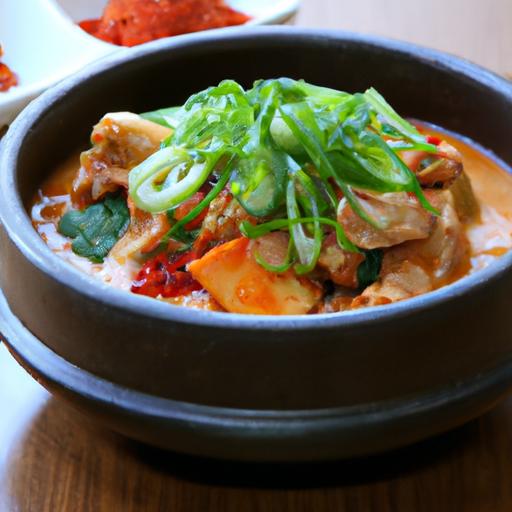
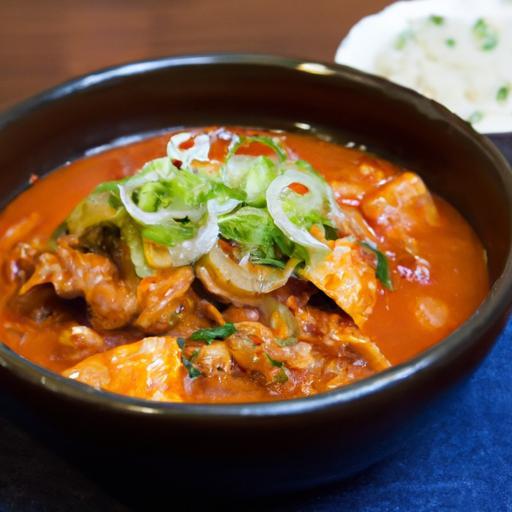
In the vibrant tapestry of Korean cuisine, few dishes ignite the senses quite like Dakdoritang—a fiery chicken stew that warms both body and soul. Picture tender chunks of chicken simmered to perfection in a rich, spicy broth bursting with the bold flavors of gochujang (Korean chili paste), garlic, and an array of fragrant vegetables. More than just a meal, Dakdoritang is a culinary tradition that tells a story of comfort, community, and the spirited zest for life inherent in Korean culture. When you savor Dakdoritang, you experience not just heat, but the depth of Korean hospitality and flavor.
Dakdoritang Delight begins with an invitation to experience the heart of Korean home cooking—a vibrant, spicy chicken stew that fuses bold flavors with comforting warmth. Celebrated for its fiery red broth and tender chicken, Dakdoritang traces back to Korean family tables and has evolved into a beloved staple. Every bowl of Dakdoritang reflects tradition, innovation, and the shared joy of meals that bring people together.
What makes Dakdoritang so irresistible is the perfect balance of fiery spice and soul-soothing comfort. Whether enjoyed at a family gathering, a street market, or a cozy home kitchen, Dakdoritang carries the essence of Korean cooking—bold, hearty, and unforgettable. Each spoonful of Dakdoritang is a celebration of culture, history, and flavor that continues to captivate palates around the world.
Prep and Cook Time
- Preparation: 15 minutes
- Cooking: 40 minutes
- Total Time: 55 minutes
Yield
Serves 4 generous portions
Difficulty Level
Medium – approachable for home cooks with some experience in sautéing and managing simmering stews
Key Ingredients That Ignite the Flavor
- 1.5 lbs bone-in chicken pieces (preferably thighs for juiciness)
- 3 medium potatoes, peeled and cut into large chunks
- 1 large onion, quartered
- 3 green chili peppers, sliced (adjust for heat preference)
- 4 cloves garlic, minced
- 2 tablespoons gochugaru (Korean red chili flakes) for layered heat
- 3 tablespoons gochujang (fermented red chili paste), lending deep umami
- 2 tablespoons soy sauce, for saltiness and savoriness
- 2 tablespoons mirin or cooking rice wine, adding subtle sweetness and balance
- 1 tablespoon sugar, to mellow the spice
- 2 cups water or chicken stock for richness
- 2 teaspoons toasted sesame oil, for aroma
- 1 bunch green onions, chopped for garnish
Instructions
- Prepare the chicken: Rinse the chicken pieces and pat dry. This ensures a clean base that will better absorb spices.
- Sauté the aromatics: In a heavy-bottomed pot, heat 1 tablespoon sesame oil over medium heat. Add minced garlic and half the sliced green chilies. Sauté until fragrant, approximately 2 minutes.
- Add the chicken: Place the chicken pieces into the pot. Sear until the skin turns slightly golden, around 5 minutes, turning occasionally for even color and flavor development.
- Incorporate the spice blend: Stir in 2 tablespoons gochujang and 2 tablespoons gochugaru. Mix thoroughly to coat the chicken, releasing the vibrant crimson hue.
- Add liquids and seasonings: Pour in soy sauce, mirin, water or chicken stock, and sugar.Stir to combine and bring to a gentle boil.
- Add vegetables: Toss in the quartered onion and potato chunks. Reduce the heat to a steady simmer and cover partially.
- Simmer the stew: Cook for 30 minutes, stirring occasionally, until the chicken is tender and the potatoes are cooked through. The sauce should thicken and intensify.
- Finalize flavors: Add the remaining green chilies now for an extra pop of freshness and heat. Drizzle the remaining sesame oil over the stew and stir gently.
- Garnish and serve: Sprinkle generously with chopped green onions. Serve hot with steamed rice for the perfect meal.
Traditional Techniques and Modern Twists
While the classic Dakdoritang relies on slow simmering to meld flavors, contemporary home chefs sometimes elevate the dish by incorporating fresh herbs such as perilla leaves or swapping traditional potatoes for sweet potatoes to add a nuanced sweetness. Another modern adaptation includes using a pressure cooker to reduce cooking time without sacrificing tenderness, ideal for busy evenings.
Chef’s Notes and Tips for Success
- Spice Level: Adjust gochugaru and fresh chili quantities based on desired heat. Substitute mild red pepper flakes if sensitive to spice.
- Stock Swap: Chicken broth enriches the stew, but vegetable stock works perfectly for lighter, vegetarian adaptations when using tofu.
- Make-Ahead: Dakdoritang tastes even better the next day as the flavors deepen. Store refrigerated in an airtight container for up to 2 days.
- Potato Tips: Use starchy potatoes like russets for a broken down, thickened broth or waxy potatoes for chunkier bites.
- Presentation: Serve in rustic earthenware bowls to highlight the dish’s comforting, home-cooked soul.
Serving Suggestions
Pair your Dakdoritang with a bowl of fluffy steamed white rice to soak up the fiery sauce. Side dishes like crisp cucumber kimchi or pickled radish enhance the meal with cool, refreshing contrasts. garnish with toasted sesame seeds for an added nutty depth. For those who love texture, accompany with a simple scallion pancake or a chilled glass of Korean rice wine (makgeolli) to balance the heat.
| Nutritional Info | Per Serving |
|---|---|
| Calories | 420 kcal |
| Protein | 35 g |
| Carbohydrates | 28 g |
| Fat | 15 g |
Where to Savor the best Dakdoritang in Korea
For an authentic taste journey, head to Seoul’s traditional markets like Gwangjang and Tongin, where family-run restaurants serve this fiery stew simmered just right. The vibrant neighborhood of Jongno is famed for its rustic eateries specializing in Dakdoritang, frequently enough paired with soju for a true local experience. Food bloggers and chefs alike recommend venturing beyond the city to Jeonju’s renowned bibimbap district, where Dakdoritang dishes often include regional flare and seasonal ingredients.

Q&A
Q&A: Dakdoritang Delight – exploring Korea’s Fiery Chicken Stew
Q1: What is Dakdoritang, and why is it such a beloved dish in Korea?
A1: Dakdoritang, often dubbed Korea’s fiery chicken stew, is a hearty, spicy one-pot wonder that combines tender chicken chunks with potatoes, carrots, and onions, simmered in a robust, chili-laden broth. Its appeal lies not only in the perfect marriage of heat and heartiness but also in its comforting, communal nature-ideal for sharing with family and friends during chilly days or whenever a craving for bold flavors strikes.Q2: How did Dakdoritang get its name, and does it have any special meaning?
A2: The term “Dakdoritang” breaks down into “dak” (닭), meaning chicken, “dori” (도리), a shortened form of “dorigogi” meaning pieces or chunks, and “tang” (탕), meaning soup or stew. So, it literally translates to “chunky chicken soup.” While the dish’s origins are somewhat debated, it has evolved as a staple comfort food with a distinctly fiery kick, symbolizing warmth and conviviality in Korean households.Q3: What sets Dakdoritang apart from other Korean chicken dishes like Samgyetang or Jjimdak?
A3: Unlike the mild, nutritious Samgyetang (ginseng chicken soup), which focuses on health and subtle herbal flavors, Dakdoritang prides itself on its bold spiciness and rich, thick broth. Simultaneously occurring, Jjimdak, a soy-sauce based braised chicken dish hailing from Andong, is sweeter and less soupy. Dakdoritang’s signature fiery red broth, thanks to generous gochugaru (Korean red chili flakes) and gochujang (red chili paste), makes it uniquely intense and soul-satisfying.
Q4: What ingredients are essential to achieve that authentic Dakdoritang flavor?
A4: At its core,Dakdoritang relies on fresh chicken pieces (frequently enough bone-in for flavor),potatoes,carrots,and onions. The magic, however, comes from its spicy marinade which includes gochugaru, gochujang, soy sauce, garlic, ginger, and a hint of sugar or honey to balance the heat. Some recipes add a splash of rice wine or water to deepen the flavor complexity. Slow simmering allows these layers to meld into a fiery, savory stew that’s both comforting and invigorating.
Q5: Can Dakdoritang be adjusted for those who might not love spicy food?
A5: Absolutely! One of the beauties of Dakdoritang is its versatility. By reducing the amount of gochugaru and gochujang or substituting mild paprika, you can tame the heat while still enjoying the stew’s rich flavors. Adding extra vegetables or a touch more broth can also mellow the intensity. Whether you crave a blazing blaze or a gentle warmth, Dakdoritang can be tailored to suit your spice tolerance.
Q6: How is Dakdoritang traditionally served and enjoyed?
A6: Dakdoritang is traditionally served steaming hot in a large communal pot,accompanied by bowls of steamed white rice and an array of banchan (side dishes). The tender chicken and potatoes are ladled onto plates, then dunked into the spicy broth for maximum flavor. It’s a convivial meal that encourages sharing, laughter, and lingering at the table-truly embodying the spirit of Korean hospitality.Q7: Any tips for cooking Dakdoritang at home to capture that authentic fiery essence?
A7: Start with quality chicken-bone-in pieces enhance depth. Don’t skimp on the garlic and ginger; they build the stew’s aromatic foundation. Balance your chili components carefully: layering gochugaru and gochujang introduces both heat and umami complexity. Simmer patiently-this slow cooking tenderizes the chicken and allows sturdy potatoes to soak up the broth’s spicy goodness. And for that final flourish, garnish with chopped scallions or toasted sesame seeds to add freshness and texture.
Q8: Why is Dakdoritang considered an expression of Korean culinary identity?
A8: Dakdoritang showcases Korea’s love for bold, harmonious flavors that bring people together. Its fiery richness symbolizes resilience and warmth amidst harsh winters, while the communal dining tradition reflects the high value koreans place on connection and sharing. In every spicy, savory bite, you taste not just a stew, but a story-of culture, comfort, and culinary artistry that continues to ignite taste buds worldwide.
In Retrospect
As the steam rises and the bold spices tease your senses, Dakdoritang invites you not just to a meal, but to a flavorful journey through Korea’s rich culinary tapestry. This fiery chicken stew, brimming with tender meat, vibrant vegetables, and a spicy kick that awakens the palate, embodies the warmth and resilience of Korean cuisine. Whether you’re a seasoned food adventurer or a curious newcomer, exploring dakdoritang offers a delicious glimpse into the heart of Korean home cooking-a delightful reminder that sometimes, the best stories are told in the sizzling, spicy depths of a well-loved stew. So next time you crave comfort with a fiery twist, let Dakdoritang be your guide to savoring Korea’s beloved flavors, one steaming bowl at a time.