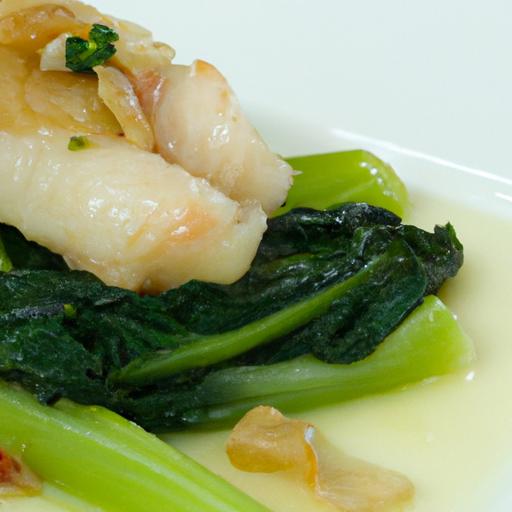
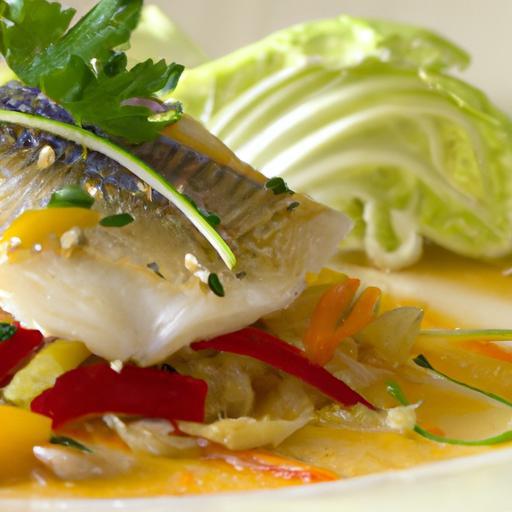
in the serene kitchens of Guangdong, an ancient culinary tradition unfolds with graceful subtlety-Cantonese steamed fish, a dish that transforms simplicity into sublime artistry. Beyond the gentle poaching of fresh fish lies a delicate interplay of aromas and flavors, were every element is carefully balanced to celebrate the natural essence of the sea.This article delves into the art of Cantonese steamed fish, exploring how mastery over technique and respect for ingredients converge to unveil a symphony of subtle tastes. Join us as we unravel the secrets behind this iconic cuisine, revealing how each tender bite tells a story of heritage, patience, and refined palate.
Delicate Flavors unveiled: The Art of Cantonese Steamed Fish reveals a culinary tradition where freshness and simplicity harmonize into an elegant experience.This beloved dish exemplifies the Cantonese ideology of letting each ingredient’s natural essence shine – a philosophy perfected through delicate steaming techniques and thoughtfully chosen aromatics. whether enjoyed in a bustling dim sum hall or recreated in your kitchen,the fresh fish’s tender flesh melds with the subtle fragrance of ginger and scallions,elevated by a rich yet light soy-based sauce. This recipe invites you to master the gentle steam and achieve a flawless texture, unlocking the true soul of Cantonese cuisine.
Prep and Cook Time
- Planning: 15 minutes
- Cooking: 10 minutes
- Total Time: 25 minutes
Yield
Serves 4 generously as a delicate main course.
Difficulty Level
Medium – requires attention to steaming technique and fresh ingredient selection.
Ingredients
- 1 whole fresh white fish (around 1.5 lbs; sea bass, grouper, or tilapia), scaled and gutted
- 2 tablespoons fresh ginger, julienned
- 3 scallions, thinly sliced – white and green parts separated
- 3 tablespoons light soy sauce
- 1 teaspoon Shaoxing wine (Chinese cooking wine)
- 1/2 teaspoon sesame oil
- 2 tablespoons vegetable oil
- Fresh cilantro leaves for garnish
- Salt to taste
- Black pepper, freshly ground, to taste
Instructions
- Prepare the fish. Rinse thoroughly under cold water, pat dry with paper towels. using a sharp knife, make 2-3 diagonal slashes on each side of the fish to promote even cooking.Season lightly with salt and pepper both inside and out.
- Arrange aromatics. Stuff some julienned ginger and the white parts of scallions inside the fish’s cavity. Lay the fish flat on a heatproof plate suitable for steaming. Scatter the remaining ginger and scallions on top in thin layers to infuse the fish with fragrance.
- Set up the steamer. Fill a wok or large pot with about 2 inches of water. Bring to a rolling boil over high heat. Place a steaming rack or bamboo steamer basket inside,ensuring water does not touch the fish plate.
- Steam gently. Carefully place the plate with the fish onto the steamer rack. Cover with a lid and steam for 8-10 minutes, depending on size – a good rule is about 7 minutes per pound. Avoid opening the lid during cooking to retain steam and heat.
- Heat the sauce and oil. Pour the light soy sauce and Shaoxing wine into a small saucepan and warm gently. In a separate small pan,heat vegetable oil until it starts to shimmer.
- Finishing touches. Once the fish is steamed and opaque all the way through, remove from the steamer.Discard aromatics from the plate’s surface if desired, or leave for texture. Drizzle the warmed soy sauce mixture evenly over the fish. Pour the hot vegetable oil over the scallion greens to release aromas, then scatter them atop the fish. Finish with a delicate drizzle of sesame oil and garnish with fresh cilantro leaves.
Tips for Success
- choosing fish: Select the freshest fish with shining, clear eyes and firm flesh for the quintessential delicate flavors unveiled by this method.Whole fish with skin is preferred for better texture.
- Steaming technique: Use a tight-fitting lid and maintain vigorous steam for even cooking. Avoid overcooking to preserve the tender texture.
- Aromatics variation: Try adding thin slices of fresh chili or kaffir lime leaves to the fish cavity for a subtle twist.
- Make-ahead: Prep the fish and aromatics up to an hour in advance, then steam just before serving to maintain freshness.
- Oil temperature tip: Pour hot oil over scallions right before serving to instantly unlock their pungency and fragrance.
Serving Suggestions
Serve immediately while warm, accompanied by steamed jasmine rice to soak up the delicate soy sauce. Pair with a simple stir-fried vegetable like bok choy or choy sum to complement the lightness of the fish. Garnish with extra fresh cilantro and a wedge of lime for brightness. For a touch of elegance, serve on a long oval platter to display the fish’s beautiful shape and vibrant toppings.
| Nutrient | Per Serving (approx.) |
|---|---|
| Calories | 210 kcal |
| Protein | 36 g |
| Carbohydrates | 2 g |
| Fat | 6 g |

Discover more about customary Cantonese techniques in our Authentic Cantonese Dishes Guide and deepen your understanding of ingredient quality through this comprehensive fish buying guide.
Q&A
Q&A: Delicate Flavors Unveiled – The Art of Cantonese Steamed Fish
Q1: What makes Cantonese steamed fish a standout dish in Chinese cuisine?
A1: Cantonese steamed fish epitomizes culinary elegance through simplicity. It showcases the art of coaxing out the natural, delicate flavors of fresh fish with minimal seasoning and gentle steaming. Unlike heavily spiced dishes, this approach honors the freshness of the seafood, making every bite light, fragrant, and pristine.
Q2: Why is steaming the preferred cooking method for this dish?
A2: Steaming is revered in Cantonese cooking as it preserves the fish’s moisture, tenderness, and nutrients without overpowering its intrinsic taste. The gentle steam envelops the fish, cooking it evenly while locking in subtle aromas that would or else be lost with frying or baking.Q3: What types of fish are traditionally used in Cantonese steamed fish?
A3: Freshness is king. Popular choices include whole white-fleshed fish like grouper, sea bass, or pomfret – all known for their tender meat and mild flavor. These varieties absorb the fragrant accents without competing against the natural taste of the fish.
Q4: How does seasoning enhance the subtlety of the dish?
A4: Seasoning in Cantonese steamed fish is a delicate dance. Usually, a few essential ingredients-ginger juliennes, scallions, light soy sauce, and a drizzle of hot sesame oil-are added post-steaming. This minimalistic approach amplifies the fish’s sweetness and imparts a gentle aromatic lift rather then masking its essence.
Q5: Can the presentation of steamed fish contribute to its sensory appeal?
A5: Absolutely. Presentation in Cantonese cuisine is as much about respect as it is about aesthetics. Serving the fish whole with vibrant scallions, fresh cilantro, and a splash of bright soy sauce not only pleases the eye but also invites the diner to appreciate the fish’s integrity, turning the meal into a multisensory experience.
Q6: Is there a cultural meaning tied to the practice of steaming fish in Cantonese tradition?
A6: Yes, steamed fish often graces celebratory tables, symbolizing prosperity and abundance. The Cantonese phrase for fish, “鱼” (yú), sounds like “余,” meaning surplus or abundance, making it a beloved dish during festivals and family gatherings, embodying wishes for wealth and good fortune.
Q7: what tips can home cooks follow to master Cantonese steamed fish?
A7: Start with the freshest fish you can find. Use a steaming rack to allow even circulation of steam. Don’t overcook-the flesh should flake easily but remain moist. add your aromatics and sauce only after steaming to preserve their brightness and avoid bitterness. This mindfulness preserves the delicate balance that defines the art.
delve into the art of Cantonese steamed fish, and you uncover a culinary philosophy that prizes restraint, purity, and a deep respect for ingredients – a true testament to how simplicity can yield extraordinary flavors.
The Way Forward
As the gentle steam rises and the subtle aroma of ginger and scallions fills the air, Cantonese steamed fish reveals itself not just as a dish, but as a harmonious festivity of nature’s simplicity and culinary precision. This artful technique teaches us that true flavor lies in restraint-allowing the delicate flesh to speak for itself, whispering tales of freshness, tradition, and patience. Whether you are a seasoned chef or an adventurous diner, embracing the elegance of Cantonese steamed fish invites you to savor every nuanced bite, appreciating the quiet mastery behind this timeless classic.In unveiling these delicate flavors, we discover that sometiems, the most profound pleasures emerge not from complexity, but from honoring the purity of the ingredients themselves.