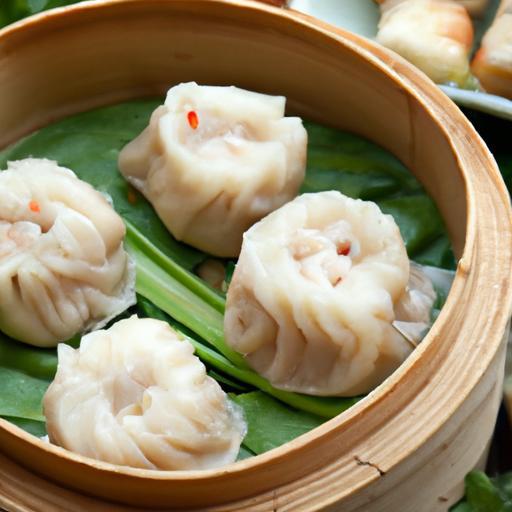
Stepping into the world of Chinese dim sum is like opening a treasure chest filled with bite-sized delights,each morsel telling a story steeped in centuries of culinary tradition. From the delicate folds of steamed dumplings to the golden crisp of turnip cakes, dim sum offers a symphony of flavors and textures that have enchanted palates around the globe. In this article, we invite you to explore delightful Chinese dim sum recipes that capture the essence of this beloved tradition-bringing the warmth of bustling teahouses and the joy of shared meals right to your own kitchen. Whether you’re a seasoned cook or a curious newcomer,prepare to embark on a flavorful journey that celebrates heritage,creativity,and the timeless art of dim sum.
Delightful Chinese Dim sum Recipes offer a captivating gateway into a rich culinary world where tradition and flavor intertwine effortlessly. Originating in the teahouses of Canton, dim sum has evolved into an art form that captivates food lovers worldwide with its small, flavorful bites crafted from fresh, vibrant ingredients. My own journey into these recipes began at a bustling Hong Kong market,where the aromas of steaming baskets and sizzling pans awakened my passion for mastering each delicate dumpling and savory bun.
prep and Cook time
- Readiness: 45 minutes
- Cooking: 20 minutes
- Total Time: 1 hour 5 minutes
Yield
Serves 4-6 people (approximately 24 pieces)
Difficulty Level
Medium – ideal for cooks familiar with dough handling and steaming techniques
Essential Ingredients and Tools for Authentic Dim Sum Preparation
Bringing authentic dim sum flavors home requires a few essential ingredients that capture the essence of traditional Cantonese cuisine, along with specialized tools that ensure perfect texture and presentation.
- Wheat starch and tapioca starch: Key to crafting supple and translucent dumpling wrappers.
- all-purpose flour: For soft, fluffy steamed buns.
- Pork shoulder (minced): Rich and juicy meat base for most classic fillings.
- Dried shiitake mushrooms: Provide umami depth once rehydrated.
- Soy sauce, sesame oil, and Shaoxing wine: For authentic seasoning.
- Bamboo steamer baskets: Allow even cooking and maintain moisture.
- Rolling pin and silicone mat: Vital for rolling perfect wrappers and dough discs.
Step by Step Guide to Classic Dim Sum Recipes with Flavorful Twists
Follow this detailed guide to create a beloved classic-Steamed Pork and Shrimp Dumplings (Har Gow and Siu Mai inspired)-with a subtle twist of fresh ginger and a splash of citrus zest to brighten the flavor profile.
- Prepare the filling: in a bowl,combine 300g minced pork shoulder,150g finely chopped fresh shrimp,2 tbsp soaked and diced shiitake mushrooms,1 tsp grated fresh ginger,1 tsp soy sauce,1 tbsp Shaoxing wine,1/2 tsp sesame oil,and a pinch of white pepper.Mix thoroughly until well combined and slightly sticky. Refrigerate while preparing wrappers.
- Make the translucent dumpling dough: In a heatproof bowl, mix 100g wheat starch with 45g tapioca starch and 120ml boiling water. Stir quickly until it forms a smooth dough, then knead gently on a silicone mat until pliable but not sticky. Cover with a damp cloth to prevent drying.
- Form dumpling wrappers: Divide dough into 24 equal balls. Using a floured rolling pin, flatten each ball into a thin, round wrapper about 8cm in diameter. Thin edges are key for that delicate bite.
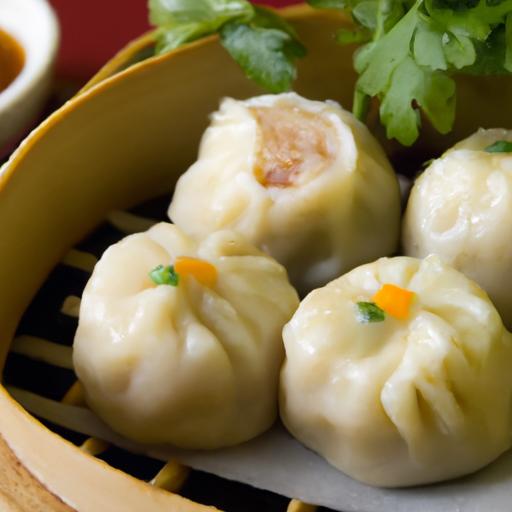
- Assemble the dumplings: Place a heaping teaspoon of filling in the center of each wrapper. For Har gow-style, carefully fold edges into pleats to seal while maintaining a slightly crescent shape. For Siu Mai-inspired open-topped dumplings, gather wrapper edges loosely around filling and top with a small shrimp or carrot piece for garnish.
- Steam to perfection: Arrange dumplings in a single layer inside lined bamboo steamer baskets. Steam over boiling water for 8-10 minutes until translucent and filling is cooked.Avoid overcrowding to ensure even cooking.
Tips for Success
- Wrapper care: Keep dough covered at all times to prevent drying and cracking. Use light tapioca starch dusting to prevent sticking without toughening the dough.
- Filling variations: try swapping pork with ground chicken or tofu for lighter options. Add a teaspoon of finely chopped water chestnuts for crunch.
- Make ahead: Assemble dumplings and freeze on trays before transferring to bags. Steam directly from frozen, adding a couple extra minutes to cooking time.
- Steam finale: Line steamers with cabbage leaves or parchment to prevent sticking and add subtle aroma.
serving Suggestions
Present your delicate dim sum with traditional dipping sauces such as soy sauce mixed with chili oil and a touch of black vinegar. Garnish with thinly sliced scallions and a sprinkle of toasted sesame seeds for visual and textural appeal. Complement these delightful bites with fragrant Jasmine or Pu-erh tea served in small cups to cleanse the palate and enhance each flavor note.

| Nutrient | Per serving (4 dumplings) |
|---|---|
| Calories | 220 kcal |
| Protein | 15g |
| Carbohydrates | 18g |
| Fat | 8g |
For an enhanced exploration of traditional Chinese tea pairings that amplify dim sum flavors, visit the Chinese Tea Culture Association. For more inspiring recipes, check out our chinese Classics Recipes collection.
Q&A
Q&A: Delightful Chinese Dim Sum Recipes – A Taste of Tradition
Q1: what exactly is dim sum, and why is it so beloved in Chinese culture?
A: Dim sum, which translates to “touch the heart,” is a traditional Cantonese style of dining that features an array of bite-sized dishes served with tea. Rooted in ancient tea house culture, dim sum offers a communal eating experience where families and friends gather to share flavors, stories, and laughter. It’s beloved not only for its flavorful variety but also for the warmth and connection it fosters around the table.
Q2: what are some classic dim sum dishes that beginners should try making at home?
A: For newcomers eager to embark on a dim sum adventure, staples like steamed shrimp dumplings (har gow), pork siu mai, and sticky rice in lotus leaf are fantastic starting points. These dishes highlight the delicate balance of texture and flavor that defines dim sum-think translucent wrappers, juicy fillings, and fragrant rice wrapped in tender leaves.Q3: Are dim sum recipes difficult to master, or can a home cook take them on easily?
A: While some dim sum dishes require patience and practice, many home cooks find joy in the process of shaping dumplings and experimenting with fillings. With a few essential ingredients and tools, plus step-by-step guidance, the art of dim sum becomes much more approachable. The key is to embrace the rhythm of crafting each piece-a little love folded into every bite.
Q4: How critically important is the choice of ingredients in traditional dim sum recipes?
A: Ingredients are the lifeblood of dim sum. Freshness is paramount-whether it’s the sweetness of plump shrimp, the tenderness of pork, or the aroma of fresh mushrooms. Authentic recipes also emphasize balance, combining lean and fatty meats, fragrant spices, and delicate wrappers to create layers of taste and texture. Sourcing quality ingredients makes all the difference in capturing the spirit of tradition.
Q5: Can dim sum be adapted for modern or dietary preferences without losing its essence?
A: Absolutely! Dim sum is wonderfully versatile. Vegan dumplings stuffed with mushrooms and tofu, gluten-free wrappers made from rice flour, or baked versions of classic steamed buns can all coexist with traditional recipes. The heart of dim sum lies in sharing and savoring, so personal twists that respect the dish’s soul feel right at home on any table.
Q6: What role does tea play in the dim sum experience?
A: Tea is the perfect companion to dim sum-it cleanses the palate, enhances flavors, and adds a ritualistic touch to the meal. Traditionally, oolong, pu-erh, or jasmine teas are served, each bringing its own aroma and character to the gathering. Pouring tea and toasting friends is as much part of the tradition as the food itself,creating a holistic cultural moment.
Q7: Why is making dim sum considered an art form?
A: Beyond the ingredients, dim sum demands precision in folding delicate dough, balancing seasonings, and timing the steaming just right. These skills have been honed over centuries, passed down from master chefs to new generations. Each dumpling or bun is a tiny masterpiece reflecting patience, creativity, and respect for culinary heritage-a true celebration of edible artistry.
Q8: Where can readers find authentic dim sum recipes and tips to get started?
A: Many cookbooks, food blogs, and video tutorials by chefs specializing in Cantonese cuisine offer excellent recipes and step-by-step advice. Look for resources that highlight traditional methods while encouraging experimentation. hands-on workshops or community cooking classes can also enrich the experience, turning recipe reading into delicious reality.
Embrace the joy of crafting dim sum at home-a tender tribute to tradition that invites you to savor not just food, but the stories and culture lovingly wrapped within each bite.
Concluding Remarks
As the steam rises and the delicate flavors of these dim sum recipes dance on your palate, you’ve not only savored a meal but also a cherished slice of Chinese heritage. Each bite tells a story-of tradition, craftsmanship, and the joy of sharing. Whether you’re gathering around the table with loved ones or exploring these delights solo, let these recipes inspire you to carry forward the timeless art of dim sum. After all, in every dumpling and every bao lies a delicious invitation to connect with culture, community, and the simple pleasure of good food. So, roll up your sleeves, embrace the tradition, and discover the endless joy hidden within each delightful bite.