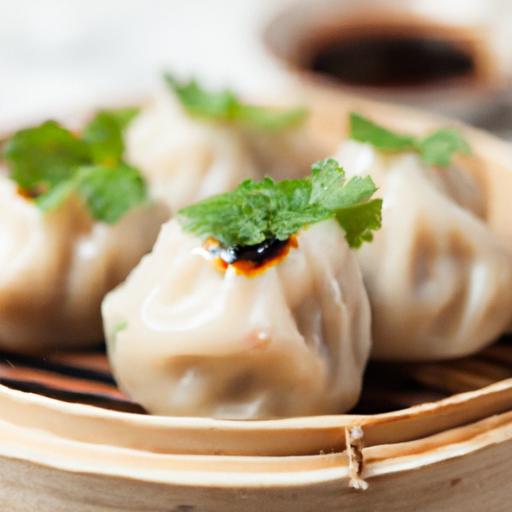

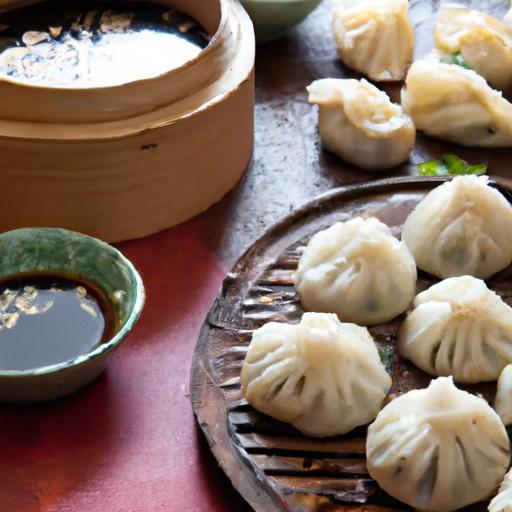
In the vibrant world of Chinese cuisine, few delights capture the heart and palate quite like dim sum. these bite-sized treasures-steamed, fried, and baked-offer a symphony of flavors and textures that tell stories of culture, tradition, and culinary artistry. “Mastering Chinese Dim Sum: Homemade Delights Unveiled” invites you on an enticing journey beyond the bustling teahouse tables straight into your own kitchen.Here, the intricate craft of folding dumplings, the delicate balance of seasonings, and the joyful patience of steaming become more than techniques-they transform into a celebration of heritage and creativity. Whether you are a seasoned cook or an adventurous beginner, this guide will unlock the secrets to creating authentic dim sum, turning simple ingredients into unforgettable homemade treasures.
Mastering Chinese Dim Sum combines tradition, precision, and passion to create bite-sized marvels that delight both eye and palate. The art of crafting perfect dim sum dough and fillings is an indulgent journey into texture, flavor, and technique-whether you’re steaming delicate dumplings or pan-frying crispy turnouts. LetS dive into authentic methods infused with innovative twists that will impress your guests and elevate your culinary repertoire.
Prep and Cook Time
- Preparation: 45 minutes
- cooking: 30 minutes
- Total Time: 1 hour 15 minutes
Yield
Makes approximately 30 dim sum pieces, serving 4-6 people as an appetizer or light meal.
Difficulty Level
Medium – Requires some patience and basic dough handling skills, but highly rewarding.
Ingredients
- Dough:
- 2 cups all-purpose flour, sifted
- ¾ cup boiling water
- 2 tsp sesame oil
- Pinch of salt
- Filling:
- 1 cup ground pork (or chicken/shrimp for variations)
- ½ cup finely chopped napa cabbage, squeezed dry
- 2 tbsp green onions, finely chopped
- 1 tbsp ginger, grated
- 1 tbsp soy sauce
- 1 tsp sesame oil
- 1 tsp Shaoxing wine (optional)
- Salt and white pepper to taste
- For Steaming and Pan-Frying:
- 1 tbsp vegetable oil
- Water (for steaming)
Instructions
- Prepare the dough: In a large bowl, gradually add boiling water to the sifted flour and stir with chopsticks or a fork until combined. When cool enough to handle, knead the dough on a floured surface for 8-10 minutes until smooth and elastic. Wrap in plastic and let rest for 30 minutes. Tip: Resting softens the gluten, making the dough easier to roll.
- Make the filling: In a medium bowl, combine the ground pork, napa cabbage, green onions, ginger, soy sauce, sesame oil, Shaoxing wine, salt, and white pepper. Mix well until the texture feels sticky and cohesive.Refrigerate while preparing wrappers.
- Roll out the dough: Divide rested dough into 30 equal pieces.Roll each ball into a thin round wrapper about 3 inches in diameter, ensuring even thickness-thicker at the edge to hold the filling securely.
- fill and shape: Place a teaspoon of filling in the center of each wrapper. Fold and pleat edges to form customary dumpling shapes or half-moons. Seal tightly to avoid bursting during cooking.
- Steaming method: Line a bamboo steamer with parchment or cabbage leaves to prevent sticking. Arrange dumplings evenly, leaving space between. Steam over boiling water for 8-10 minutes until dough turns translucent and filling is fully cooked.
- Pan-frying technique: Heat 1 tbsp vegetable oil in a non-stick skillet over medium heat. Add dumplings in a single layer and cook until the bottoms are golden brown, about 3-4 minutes. Carefully add ¼ cup water, cover immediately, and steam until water evaporates and dough is tender, about 6 minutes more. Remove lid and cook briefly to crisp bottoms again.
- Serve immediately: Garnish with chopped green onions or toasted sesame seeds for a burst of color and aroma. Serve with dipping sauces as below.
Tips for Success
- Dough consistency: If dough is sticky, dust with a bit more flour; if too dry, add water sparingly.
- Filling variations: Swap pork for minced shrimp or mushrooms for a vegetarian version. Add water chestnuts for crunch.
- Pleating: Practice makes perfect-use wet fingers to help edges stick.
- Make ahead: Freeze raw filled dumplings on a tray,then transfer to a sealed bag.Steam or fry from frozen, adding extra cooking time.
- Steaming tip: ensure water is boiling vigorously before placing the steamer on top. Avoid lifting lid during steaming to keep heat consistent.
Serving Suggestions
Serve these handcrafted dim sum delights alongside traditional dipping sauces like soy sauce with chili oil, black vinegar with julienned ginger, or a simple scallion-sesame oil blend. Enhance your experience by pairing each bite with a delicate cup of Chinese jasmine or pu-erh tea, which cuts through the richness and refreshes the palate elegantly.
For a visually stunning presentation, arrange the dim sum on bamboo steamers garnished with fresh coriander sprigs and edible flowers, inviting your guests to savor both the flavor and tradition.
| Nutritional Info (per serving) | Calories | Protein | Carbs | Fat |
|---|---|---|---|---|
| Dim Sum (5 pieces) | 280 kcal | 18g | 22g | 10g |

Looking to expand your Asian culinary skills? Check out our Homemade Chinese Soup Recipes for perfect pairings that warm the soul and complement your dim sum feast flawlessly.
Q&A
Q&A: Mastering Chinese Dim Sum: Homemade Delights Unveiled
Q1: What exactly is dim sum, and why has it become such a beloved culinary tradition?
A: Dim sum, literally meaning “touch the heart,” is a vibrant medley of small, flavorful dishes traditionally enjoyed with tea.Originating from Cantonese tea houses, it’s more than just food-it’s a communal experience where each bite sparks connection, conversation, and celebration. These delicate morsels offer a journey through textures, tastes, and stories that span centuries.
Q2: Why try making dim sum at home instead of heading straight to a restaurant?
A: Homemade dim sum transforms your kitchen into a canvas of cultural creation. It allows you to tailor flavors, experiment with fillings, and embrace the artistry behind the folding, steaming, and frying. Beyond replicating recipes, you capture the intimacy of sharing freshly made, heartfelt food with loved ones-creating memories as exquisite as the dishes themselves.
Q3: What are the essential tools or ingredients needed to start crafting authentic dim sum at home?
A: Start with simple staples: a bamboo steamer to achieve that characteristic gentle steam, quality wrappers-whether wheat dough or rice flour sheets-and fresh, flavorful fillings like minced pork, shrimp, mushrooms, and Chinese greens. Don’t forget aromatics such as ginger, scallions, and a splash of soy or oyster sauce to weave in that signature umami. Tools-wise, a rolling pin, small bowls for fillings, and patience are your best friends.
Q4: Which dim sum dishes are ideal for beginners eager to master homemade delights?
A: classics like siu mai (open-faced pork and shrimp dumplings) and har gow (translucent shrimp dumplings) offer a delicious yet approachable start. chicken feet and more intricate buns can wait until you’re confident. Steamed buns (baozi) filled with sweet or savory surprises also strike a perfect balance between challenge and reward, inviting experimentation with dough softness and filling balance.
Q5: what secret tips elevate homemade dim sum from simply good to truly memorable?
A: Precision in wrapper thickness makes all the difference-too thick dulls the delicate bite, too thin risks tearing. Keep fillings moist but not soggy, and rest dough to develop elasticity. Steam over boiling water just long enough to achieve silky tenderness without sogginess. And never underestimate the power of dipping sauces-mix soy, vinegar, chili, and a dash of sesame oil to awaken every bite.
Q6: How does making dim sum at home deepen one’s cultural appreciation and culinary skills?
A: Engaging with dim sum from scratch offers more than flavor; it’s a tactile dialogue with tradition. Each fold embodies patience and respect for culinary heritage, while every steaming basket nurtures mindfulness. This hands-on experience bridges cultures and generations, prompting us to savor not just food but the stories and craftsmanship behind it.
Q7: Where can I find reliable resources or recipes to begin my dim sum journey?
A: Seek out cookbooks dedicated to Cantonese cuisine, food blogs by chefs passionate about Chinese cooking, and video tutorials showcasing folding techniques. Local Asian markets frequently enough provide authentic ingredients and sometimes even classes.The key is to start simple, embrace trial and error, and let curiosity guide your culinary adventure.
Mastering homemade dim sum is a poetic dance of tradition, technique, and personal touch.With every steamed dumpling and perfected fold,you’re not just cooking-you’re weaving a living tapestry of culture and connection. Ready your steamers; the journey from kitchen novice to dim sum maestro awaits!
In Retrospect
As you step away from the steamy baskets and delicate plates,the world of Chinese dim sum no longer feels like a mystery wrapped in a lotus leaf. With each fold of dough and every simmered bite, you’ve unlocked traditions centuries old-transforming humble ingredients into an artful celebration of flavor and culture.Whether you’re a seasoned chef or an eager home cook,mastering these homemade delights invites you to savor not just food,but a story,a ritual,and a shared moment around the table. So gather your bamboo steamers, ignite your passion, and let your kitchen become a gateway to the timeless joy of dim sum, one bite at a time.