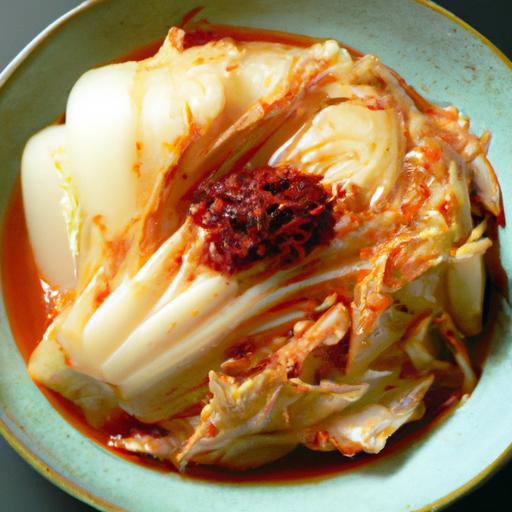



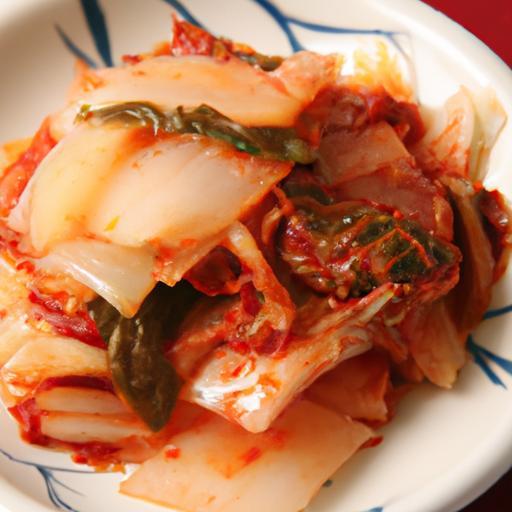
In teh vibrant world of Korean cuisine, where bold flavors often steal the spotlight, there exists a subtle, refreshing gem that offers a cool breeze to the palate-dongchimi. This crisp, watery kimchi, brimming with delicate notes of radish and a hint of spice, has long been cherished as a soothing companion to hearty meals and scorching summer days alike. Our guide to discovering dongchimi will take you on a flavorful journey, unveiling the secrets behind this traditional water kimchi recipe. Whether you’re a kimchi connoisseur or a curious newcomer, prepare to dive into a world where simplicity meets complexity, and every spoonful brings a revitalizing harmony to your table.
Discover Dongchimi unveils one of KoreaS most refreshing traditional kimchis that brings crisp, cool flavors perfectly suited for all seasons. This water kimchi, originating from Korea’s northern provinces, is famed for its mild tang and subtle spice, offering a delicate balance that cleanses the palate and complements hearty meals. My first taste of dongchimi was during a chilly winter visit to a Korean home, where the bright, clear brine ice-cold from fermentation was the highlight of the meal-an instant favorite for its uniquely cooling character and rejuvenating qualities.
Prep and Cook Time
- Readiness: 25 minutes
- Fermentation: 2 to 3 days (room temperature), then 1 week in the refrigerator
Yield
Approximately 6 servings
Difficulty Level
medium - Requires attention to fermentation timing but simple ingredient handling
Essential Ingredients for an Authentic Dongchimi Experience
- 4 cups napa cabbage, quartered and washed
- 1 Korean radish (mu), peeled and cut into thick matchsticks (about 2 cups)
- 6 cups cold water, preferably filtered
- 3 tbsp sea salt, non-iodized
- 4 scallions, cut into 2-inch pieces
- 2 slices fresh ginger, about 1/4 inch thick
- 4 cloves garlic, peeled and slightly crushed
- 2 Korean green chili peppers, pierced (optional for mild heat)
- 1 tbsp sugar (balances the fermentation)
Step-by-Step Preparation Tips for Crisp and Flavorful Dongchimi
- Salt the napa cabbage: In a large bowl, dissolve 2 tbsp of sea salt in cold water. Submerge the napa cabbage quarters entirely. Let them soak for 3 hours, flipping halfway to ensure even salting. This draws out moisture, crisping the leaves and softening the stems.
- Prepare the radish and aromatics: While the cabbage is salting, rinse the Korean radish thoroughly. Cut into thick matchsticks for optimal crunch.Slice ginger, crush garlic cloves, and chop scallions as directed.
- Rinse and drain cabbage: After salting, rinse the cabbage under cold running water twice to remove excess salt. Drain well and gently squeeze out excess moisture to avoid watery dongchimi.
- Combine ingredients in a fermenting container: Use a large glass jar or fermentation crock. Layer cabbage and radish pieces evenly. Add garlic, ginger, scallions, and optional chili peppers.
- Prepare the seasoning brine: In a separate bowl, dissolve 1 tbsp sea salt and 1 tbsp sugar into 6 cups of cold water. Stir untill completely dissolved.
- Pour brine over vegetables: Pour the brine into the jar, covering all the vegetables thoroughly. Press gently to remove any air pockets, ensuring vegetables stay submerged to prevent mold.
- seal and ferment: Cover the jar with a lid, but allow some airflow by leaving it slightly loose or using a fermentation airlock. Let the dongchimi sit at room temperature for 2-3 days. Taste periodically; fermentation speed varies with ambient temperature.
- Refrigerate to slow fermentation: Once it reaches desired crisp acidity, move the jar to the fridge.Cooling deepens flavors and preserves texture, allowing it to last up to 2 weeks.
Creative Serving Ideas to Elevate Your Dongchimi Enjoyment
Dongchimi’s crisp, lightly tangy brine is a perfect base to enliven many dishes. Serve it chilled as a palate cleanser alongside spicy Korean barbecue or bibimbap. For a refreshing twist, ladle some dongchimi broth over cold noodles, garnished with sliced cucumber, sesame seeds, and a sprinkle of toasted seaweed flakes. Another delightful idea is using dongchimi as the liquid in a chilled seafood soup or as a marinade for grilled shrimp to impart subtle umami and acidity.
For visual appeal, garnish with a few thinly sliced red chili rings or a sprig of fresh cilantro to contrast the milky white brine and vibrant radish sticks, turning every bowl into a feast for the eyes and also the palate.
Chef’s Tips for Success
- Water matters: Use filtered or spring water to avoid chlorine or impurities that can inhibit fermentation.
- Salt type: Non-iodized sea salt is essential for authentic flavour and fermentation health.
- Maintain submersion: Place a small, clean weight or a cabbage leaf on top inside the jar to keep vegetables under the brine and prevent mold.
- Adjust fermentation time: Warmer temperatures speed fermentation, so taste daily. stop when the balance of tartness and crunch suits your preference.
- Make ahead: Dongchimi improves with time.Prepare in advance and keep refrigerated for up to two weeks,shaking gently if brine separates.
Nutritional Facts (per serving)
| Calories | Protein | Carbs | Fat |
|---|---|---|---|
| 25 | 1g | 5g | 0g |
For those curious to explore more Korean fermented classics,check out our ultimate kimchi-making guide. To deepen your understanding of fermentation chemistry, consider visiting the ScienceDaily fermentation insights.

Q&A
Q&A: Discover Dongchimi - A Refreshing Water Kimchi Recipe Guide
Q1: What is Dongchimi, and how is it different from other kimchis?
A1: Dongchimi is a traditional Korean water kimchi known for its refreshing, mild, and slightly tangy flavor profile. Unlike spicy napa cabbage kimchi, Dongchimi uses radishes as its star ingredient and ferments in a clear, crisp brine, making it more like a cool, savory pickle perfect for hot days.
Q2: Why is Dongchimi considered a perfect summer side dish?
A2: Thanks to its watery, lightly fermented nature, Dongchimi is incredibly refreshing and hydrating. Its cool,subtle flavors help balance out spicy or heavy meals,making it a popular palate cleanser during the sweltering Korean summers.
Q3: What are the key ingredients in a typical Dongchimi recipe?
A3: The essentials include Korean radishes (mu), Korean pear, green onions, ginger, garlic, chili peppers (for a hint of heat without overpowering), salt, and clean water. Sometimes, sweeteners like sugar or a touch of rice flour slurry are added to aid fermentation and deepen the flavor.
Q4: Is Dongchimi spicy like other kimchis?
A4: No, Dongchimi is generally mild and not spicy. It contains a subtle kick from green chili peppers but lacks the fiery red pepper flakes that make other kimchis hot. Its appeal lies in its clean,crisp taste.
Q5: How long does it take to ferment Dongchimi?
A5: Fermentation typically takes 3 to 7 days at cool room temperature. Once it reaches optimal tanginess, it’s best stored in the refrigerator to slow fermentation and preserve its refreshing qualities.
Q6: Can dongchimi be eaten in dishes beyond just a side?
A6: Absolutely! Dongchimi broth is appetizing as a cold soup base or a tangy addition to noodle dishes.You can also sip the brine directly as a cooling drink or use it as a unique ingredient in marinades and salad dressings.
Q7: What health benefits does Dongchimi offer?
A7: Like other fermented foods, Dongchimi is rich in probiotics that support gut health and digestion. Plus, it’s low in calories and packed with vitamins from radishes and other fresh ingredients, making it a wholesome, tasty treat.
Q8: Any tips for first-time dongchimi makers?
A8: Start with fresh, crisp Korean radishes and pure spring or filtered water to get that clean, bright flavor. Don’t rush fermentation-taste daily to find your preferred balance of sweetness and tang. And remember, keep the jar airtight and store in a cool place once fermented.
Q9: Can Dongchimi be customized or adapted?
A9: Definitely! Some cooks add fruits like apples or Asian pears for sweetness, or experiment with different herbs and spices. The beauty of dongchimi lies in its simplicity, so small tweaks can personalize the flavor without losing its signature refreshment.
Q10: Where can I find Korean radishes and other authentic ingredients?
A10: Korean markets or well-stocked Asian grocery stores are your best bet. If unavailable, you can substitute with daikon radishes and pears, but the flavor might be slightly different. Online specialty stores often carry authentic ingredients as well.
Ready to embrace the crisp, revitalizing charm of Dongchimi? With this guide, your kitchen can soon echo with the bubbling symphony of traditional Korean fermentation-and your palate will thank you for the refreshing journey!
wrapping Up
As the cool, crisp waves of Dongchimi refresh your palate, you’ll find this water kimchi is more than just a side dish-it’s a festivity of Korean tradition and seasonal harmony in a bowl. Whether you’re a seasoned kimchi enthusiast or a curious newcomer, mastering Dongchimi opens a doorway to vibrant flavors that brighten any meal with its subtle tang and invigorating crunch. So, gather your ingredients, embrace the art of fermentation, and let this refreshing recipe guide inspire you to explore the delicate balance of taste and culture that Dongchimi beautifully embodies. Your journey into the world of water kimchi awaits-cool,crisp,and oh-so-delightful.