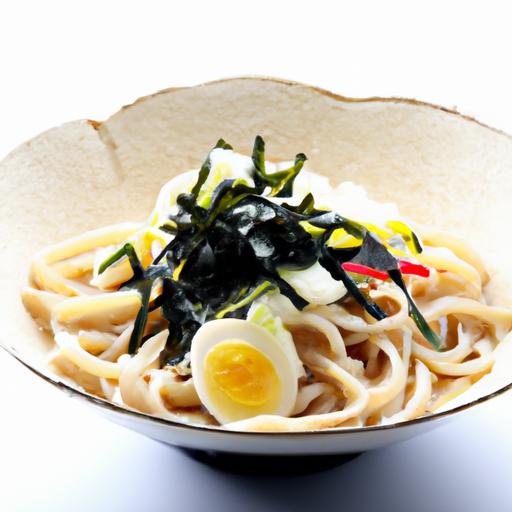

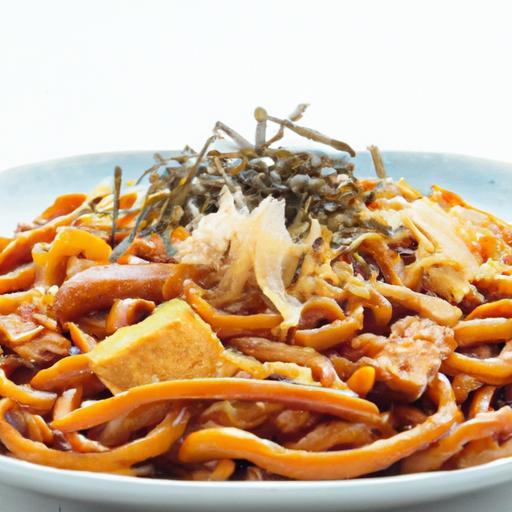
In the heart of Japan’s rich culinary tapestry lies udon-a humble noodle that,with its thick,chewy strands and comforting warmth,tells stories far beyond the bowl. Each region of Japan has perfected its own unique take on this beloved dish, transforming simple wheat flour and water into a symphony of flavors that reflect local traditions, ingredients, and histories. Join us on a delicious regional journey as we unravel the diverse world of Japan’s udon, discovering how this unassuming noodle connects communities, preserves culture, and satisfies palates from north to south. Whether served in a delicate broth or paired with inventive toppings, Japan’s udon offers a mouthwatering gateway to the country’s culinary heart.
Discovering Japan’s Udon takes you deep into the soul of Kagawa Prefecture, home of Sanuki udon, Japan’s beloved chewy, silky wheat noodles. This dish is more than just a meal-it’s a centuries-old cultural treasure, celebrated for its delicate yet rich broth and hand-stretched noodles that simply melt in your mouth.I fondly recall my first taste at a tiny roadside eatery in Takamatsu, where a humble bowl warmed chilly evenings and introduced me to the intricate balance of simplicity and craftsmanship that defines udon culture.
Prep and Cook Time
Preparation: 20 minutes
Cooking: 30 minutes
Total: 50 minutes
Yield
Serves 4 hearty bowls
Difficulty Level
Medium – Requires attention to dough consistency and simmering broth
Ingredients
- For the Sanuki Udon Noodles:
- 400g (3 1/4 cups) all-purpose flour,sifted
- 180ml (3/4 cup) lukewarm water
- 6g (1 tsp) salt
- For the Dashi Broth:
- 1.5 liters (6 cups) water
- 20g (3 sheets) kombu kelp
- 30g (1 cup) dried katsuobushi (bonito flakes)
- 80ml (1/3 cup) light soy sauce
- 2 tbsp mirin
- 1 tsp sugar
- Optional Garnishes:
- Chopped green onions
- Tempura flakes (tenkasu)
- Grated fresh ginger
- Shichimi togarashi (Japanese chili pepper blend)
Instructions
- Prepare the dough: In a large bowl, dissolve salt in lukewarm water. Gradually pour this over the flour, mixing with your hands or a wooden spatula untill a shaggy dough forms. Rest for 10 minutes.
- knead the dough: Turn dough out onto a clean surface and knead firmly for about 10 minutes until it becomes smooth and elastic. Cover with a damp towel and let it rest for 30 minutes to relax the gluten.
- Roll and cut noodles: Roll out the dough to 5mm thickness using a rolling pin dusted with flour. Fold gently into thirds and cut into 3-4mm-wide noodles.Separate gently and dust with flour to prevent sticking.
- Cook the noodles: Bring a large pot of water to a rolling boil. Add the noodles and stir instantly to prevent clumping. Boil for 10-12 minutes until chewy yet tender (al dente). Drain and rinse under cold water to remove excess starch.
- Make the dashi broth: in a clean pot,soak kombu kelp in water for 30 minutes,than bring to a gentle simmer. Remove kombu just before the water boils.Add katsuobushi and simmer for 1-2 minutes. Strain through a fine sieve or cheesecloth, discarding solids.
- Flavor the broth: return dashi to pot, season with soy sauce, mirin, and sugar.Heat gently but do not boil. Adjust seasoning to taste.
- Serve: Divide noodles into warm bowls and ladle hot broth over them. Garnish with green onions, tempura flakes, and a touch of freshly grated ginger or shichimi togarashi for extra zing.
Tips for Success
- Dough texture: The key to authentic Sanuki udon is a firm but pliable dough – avoid too much water, or noodles will be too soft.
- Broth balance: Fresh dashi is essential.if short on time, bonito powder can be a convenient alternative, though flavor won’t be as nuanced.
- Make-ahead: Dough can be refrigerated overnight but let it come to room temperature before rolling out.
- Noodle storage: If not cooking immediatly, toss cut noodles with a little flour and store in an airtight container to prevent drying.
- Variations: Experiment by adding tempura shrimp or soft-boiled eggs for a richer bowl, or switch to warm or cold udon depending on season.
Serving Suggestions
Present your sanuki udon in rustic ceramic bowls to celebrate the heritage of this dish. Top with a sprinkle of chopped green onions and a dollop of freshly grated ginger to wake the palate. For an indulgent touch, add crisp tempura flakes or a perfectly cooked soft-boiled egg. pair with a side of lightly pickled vegetables or a small plate of steamed edamame.Sip the warm broth slowly-it’s a sip of Japanese tradition, crafted from simplicity and perfected over generations.

| Nutrient | Amount per serving |
|---|---|
| calories | 320 kcal |
| Protein | 10g |
| Carbohydrates | 60g |
| Fat | 2g |
For more on traditional Japanese noodles and broth techniques, check our Japanese Noodle Recipes guide.To deepen your understanding of dashi bases, visit Japan Guide: Dashi Stock.
Q&A
Q&A: Discovering Japan’s Udon - A Delicious Regional Journey
Q1: What makes udon noodles a beloved staple in Japanese cuisine?
A1: Udon noodles are celebrated for their thick,chewy texture and versatility. Made from simple wheat flour, water, and salt, these humble noodles serve as a comforting canvas, soaking up rich broths and fresh toppings. Their hearty bite and soothing warmth have made them a go-to dish across Japan, cherished in homes and street stalls alike.
Q2: How does udon differ across Japan’s regions?
A2: Across Japan, udon transforms like a culinary chameleon. In Kagawa Prefecture, the “Udon Kingdom,” noodles are famously firm and served with light, clear broth, showcasing simplicity. Meanwhile, in Kansai, the broth tends to be lighter and subtly sweet, highlighting dashi’s delicate umami. In Fukuoka, you might find udon paired with spicy or creamy elements, reflecting local tastes.Each region’s udon tells a tasty story shaped by geography, climate, and culture.Q3: Are there distinctive toppings or ingredients typical to certain areas?
A3: Absolutely! Tempura is a classic topping nationwide, but in Akita, you might find wild mountain vegetables adding a fresh crunch. In Nagoya, red miso broth bathes the noodles, offering a robust, earthy flavor, often accompanied by deep-fried tofu. Meanwhile, in Niigata, udon is sometimes served cold with dipping sauces, especially during summer, accentuating the noodles’ springy texture.
Q4: How can travelers best experience regional udon while visiting Japan?
A4: The true joy of udon lies in exploration. venture off the beaten path to local noodle shops, many family-run, where traditions are handed down through generations. Don’t hesitate to try seasonal specialties and chat with locals-they often recommend hidden gems. Attending regional udon festivals is also a delicious way to taste multiple styles in one place, turning your udon journey into a flavorful adventure.
Q5: Can I recreate regional Japanese udon dishes at home?
A5: Definitely! While mastering the perfect chewy texture can be an art, countless recipes and ingredient kits are available worldwide. Start with simple broths-kombu and bonito flakes make an authentic dashi base-and experiment with toppings like scallions, tempura, or marinated egg. Embrace the spirit of discovery; each bowl you make is a personal voyage into japan’s rich udon culture.
Q6: Why is udon more than just a meal in Japan?
A6: Udon is culinary comfort woven into Japan’s cultural fabric. It represents warmth on a cold day, the harmony of simple ingredients, and the pride of regional identity. Sharing udon often means sharing stories, family traditions, and community spirit. Through each satisfying slurp, you taste not just noodles-but history, hospitality, and heart.
The Conclusion
As you peel back the layers of Japan’s diverse udon traditions, it becomes clear that this humble noodle is much more than just a meal-it’s a flavorful gateway into the heart of each region’s culture and history. From the thick, chewy strands of Sanuki udon in Kagawa to the delicate kitsune udon of Osaka, every bowl tells its own story, inviting you to savor not just the taste, but the spirit of place. So next time you find yourself craving comfort on a fork or chopsticks, remember: Japan’s udon is waiting, ready to take you on a delicious journey across its rich and varied landscapes. Embrace the slurp, and let your palate wander-one steaming bowl at a time.