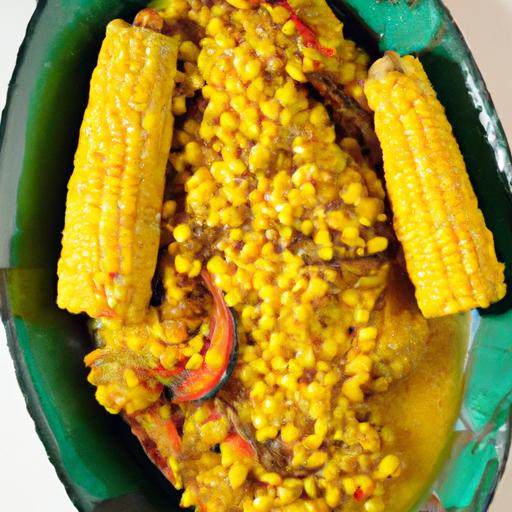

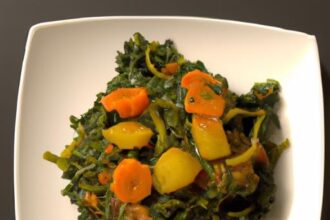
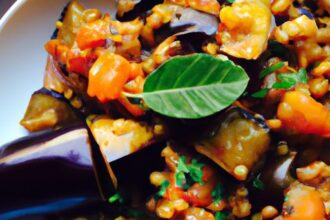
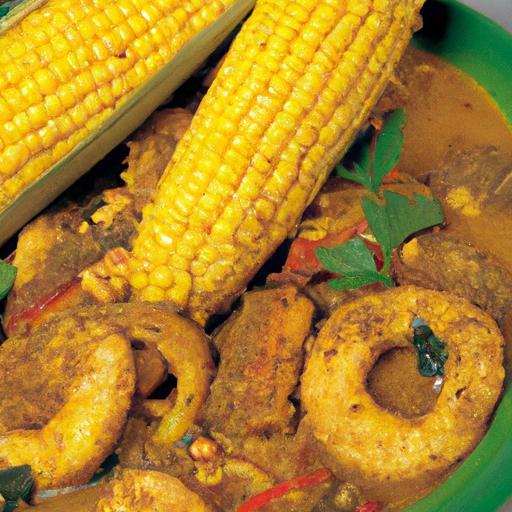
Hidden within the vibrant tapestry of West African cuisine lies a culinary gem that has long delighted the palates of those lucky enough to encounter it-Djenkoume. This savory cornmeal treasure from Togo is far more than a simple staple; it is indeed a flavorful journey into the heart of Togolese culture and tradition.With its comforting texture and rich, earthy notes, Djenkoume invites food lovers to explore a dish that nourishes not just the body, but also the spirit. In this article, we embark on a flavorful adventure to uncover the origins, planning, and cultural significance of Djenkoume, revealing why this humble cornmeal creation holds a cherished place at tables across Togo and beyond.
Discovering Djenkoume brings us face-to-face with a culinary treasure rooted deeply in Togolese tradition. This savory cornmeal dish, beloved across communities, offers a comforting blend of rustic texture and subtle earthiness, making it a staple on festive tables and everyday meals alike. The process of mastering Djenkoume’s perfect texture is both an art and a festivity of heritage-each grain of cornmeal transformed into a velvety yet firm delight that cradles rich sauces and flavorful pairings beautifully. Whether you’re stirring the pot in a bustling kitchen or savoring it in a quiet moment, this dish connects history, culture, and flavor in every bite.
Prep and Cook Time
- Preparation: 15 minutes
- Cooking: 25 minutes
- Total: 40 minutes
Yield
- Serves 4 hearty portions
Difficulty Level
- Medium – requires attention to stirring and texture adjustment
Ingredients
- 2 cups fine yellow cornmeal (preferably freshly ground)
- 4 cups water
- 1 teaspoon salt
- 2 tablespoons palm oil (or vegetable oil as an alternative)
- 1 small onion, finely chopped (optional for extra aroma)
- Fresh basil or parsley leaves for garnish
Instructions
- Heat the liquid. In a medium pot, bring 4 cups of water to a gentle boil. Add the salt and palm oil, stirring occasionally.
- Start the cornmeal. Begin sprinkling the cornmeal slowly into the boiling water while whisking vigorously to avoid lumps.
- Simmer and stir. Lower the heat to medium-low. continue stirring constantly with a wooden spoon or spatula to prevent sticking.
- Cook to perfect texture. After about 15 minutes, the mixture will thicken and pull away from the sides of the pot.If it becomes too stiff, add a splash of hot water and stir well to loosen.
- Sauté aromatics (optional). In a small skillet, sauté the onion in a teaspoon of palm oil untill translucent and golden. Gently fold the sautéed onions into the cooked cornmeal for added flavor.
- Finalize and rest. Turn off the heat and cover. Let it rest for 5 minutes to allow the texture to set.
- Shape and serve. Using a wet spoon, scoop or mold the Djenkoume onto plates or banana leaves, garnish with fresh herbs, and pair with your favourite Togolese sauces.
Tips for Success
- Use fine cornmeal. The finer the grind, the silkier the texture. Coarser grinds require longer cooking and create a much denser dish.
- Constant stirring. This is critical-without it, the grain can clump or burn. Use a sturdy wooden spoon to scrape down the sides frequently.
- Adjust liquid carefully. Djenkoume should be firm but tender. If too dry, add hot water a tablespoon at a time while stirring.
- Palm oil benefits. Beyond authentic flavor,palm oil adds richness and a stunning reddish hue often characteristic of this dish.
- Make ahead. You can prepare Djenkoume ahead of time and gently reheat by sprinkling water and steaming to restore softness.
- Experiment with herbs. Traditional basil is excellent, but cilantro or mint can offer a fresh twist.
Serving Suggestions
Present Djenkoume alongside rich groundnut sauce or spicy palm nut stew to highlight its mild cornmeal base. Garnish with freshly chopped herbs and a drizzle of extra palm oil for brilliance. For texture contrast, accompany with sautéed greens or fried fish. Serving on banana leaves adds a visual and cultural dimension that guests will find memorable.
| Nutrient | Per Serving |
|---|---|
| Calories | 230 kcal |
| Protein | 5 g |
| Carbohydrates | 45 g |
| Fat | 5 g |

Sourcing authentic ingredients can transform your Djenkoume experience. Look for freshly milled cornmeal in African or specialty markets when possible. Palm oil, integral to the dish’s traditional flavor and color, is best chosen in its unrefined, vibrant red form sourced directly from West African producers. For further insight into the nutritional and cultural aspects of cornmeal-based dishes, visit the FAO’s guide on cereal grains in African cuisine.
Q&A
Q&A: Discovering Djenkoume – Togo’s Savory Cornmeal Treasure
Q1: What exactly is Djenkoume?
A1: Djenkoume is a beloved traditional dish from Togo, crafted from finely ground cornmeal mixed with water and a pinch of salt, then gently steamed or boiled to create a smooth, dough-like texture. It’s a simple yet deeply satisfying staple that serves as a flavorful canvas for a variety of hearty accompaniments.
Q2: How does Djenkoume differ from other African cornmeal dishes?
A2: While many African cultures have their versions of cornmeal-based staples-like Ghana’s banku or Nigeria’s eko-Djenkoume stands out with its distinct preparation method and texture. it’s moister and softer than many others, offering a slightly tangy taste when fermented, and is typically paired with rich, savory sauces that highlight Togo’s unique culinary palette.
Q3: What is the cultural significance of Djenkoume in Togo?
A3: More than just food, Djenkoume is a symbol of togolese hospitality and tradition. It often features in communal meals, festive occasions, and family gatherings, embodying warmth, unity, and the simple joy of sharing a meal rooted in the land’s bounty.
Q4: How is Djenkoume traditionally prepared?
A4: Preparing Djenkoume starts with soaking corn, drying, and grinding it into a fine meal. The cornmeal is then mixed with water to form a batter and cooked slowly over heat, stirring constantly until it thickens into a smooth, elastic dough. It’s typically wrapped in leaves or served in bowls, ready to absorb the flavors of accompanying sauces.
Q5: What kinds of sauces or dishes are typically served with Djenkoume?
A5: Djenkoume pairs beautifully with rich tomato-based sauces, spicy palm nut stews, or groundnut (peanut) soups. Meat, fish, or vegetable stews inspired by local spices and herbs elevate the dish, turning it into a hearty, soul-satisfying feast.
Q6: Can Djenkoume be adapted for modern or international tastes?
A6: Absolutely! Contemporary chefs experiment by incorporating Djenkoume into fusion dishes-like pairing it with grilled vegetables, spicy sauces inspired by global cuisine, or even using it as a gluten-free base for creative appetizers. Its mild flavor and unique texture make it versatile beyond its traditional roots.
Q7: Where can someone outside Togo try authentic Djenkoume?
A7: Authentic Djenkoume can sometimes be found in West African eateries or markets in major cities worldwide. Additionally, adventurous home cooks with access to cornmeal and a spirit of culinary exploration can recreate it at home, bringing a piece of Togolese heritage to their own table.
Q8: What makes Djenkoume a treasure worth discovering?
A8: Djenkoume is more than just a dish-it’s a culinary narrative of Togo’s history, culture, and agricultural heritage.Its comforting texture, adaptable neutrality, and deep connection to community rituals make it a savory treasure that invites discovery, recognition, and celebration of West African cuisine.
Final Thoughts
As the golden hues of Djenkoume grace the tables of Togo, this humble cornmeal dish stands as a flavorful testament to the nation’s rich culinary heritage. more than just a staple, Djenkoume invites both locals and travelers alike to savor a piece of Togolese culture-where tradition meets taste in every bite. Whether paired with spicy stews or enjoyed on its own,discovering Djenkoume is an invitation to explore the heart of Togo’s kitchen,where simplicity and savor dance together in perfect harmony. So next time you seek a dish that tells a story, let Djenkoume be your savory guide to the vibrant flavors of west Africa.