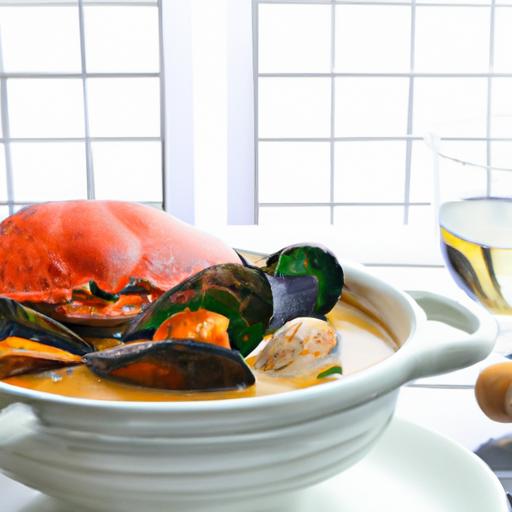



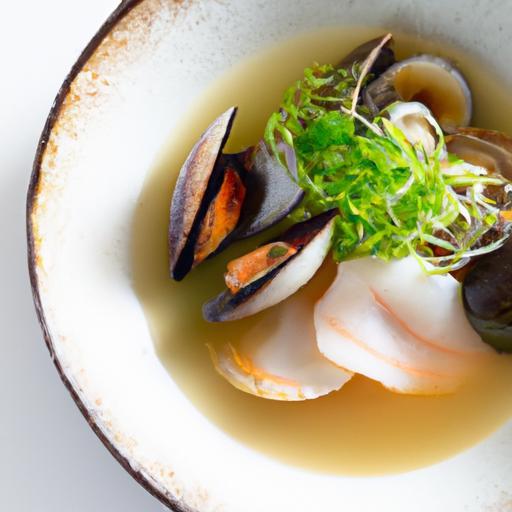
In the realm of Japanese cuisine, where artistry meets tradition, Dobin Mushi stands out as a fragrant whisper of the sea captured in a delicate teapot. This elegant seafood steamed soup, steeped in centuries of culinary heritage, invites you to experience a harmonious fusion of fresh ocean flavors and subtle, aromatic broth. More than just a dish, Dobin Mushi is a sensory journey-where the gentle steam carries stories of coastal bounties, and every sip reveals the refined simplicity that defines Japan’s gastronomic elegance. Join us as we delve into the origins, ingredients, and cultural importance of this captivating maritime treasure.
Dobin Mushi is a quintessential example of Japan’s culinary elegance, celebrated for its delicate balance of umami-rich seafood and subtly infused broth. Nestled within a traditional clay teapot, this steamed soup invites you into a sensory journey that intertwines aromatic herbs, fresh seasonal ingredients, and centuries of craftsmanship. The art of brewing Dobin Mushi in these earthen vessels elevates the experience, capturing vapor and flavors uniquely, making each sip a soothing, fragrant delight.
Prep and Cook Time
- Planning: 20 minutes
- Cooking: 15 minutes
- Total: 35 minutes
Yield
Serves 4 (individual small clay teapots or bowls)
Difficulty Level
Medium – Requires attentive ingredient preparation and gentle steaming
Ingredients
- 400ml dashi stock (preferably kombu & katsuobushi based)
- 50g fresh Matsutake mushrooms, sliced
- 100g white-fleshed fish (e.g., snapper or cod), cut into bite-sized pieces
- 8 fresh shrimp, peeled and deveined
- 4 small ginkgo nuts, blanched
- 3 thin slices of yuzu peel
- 4 sprigs of mitsuba leaf (Japanese wild parsley)
- 1 tbsp soy sauce
- 1 tsp sake
- Pinch of sea salt
- Optional: small wedge of lime to serve
Step-by-Step Instructions
- prepare the dashi stock: In a pot, gently warm 400ml of kombu and katsuobushi dashi without boiling. Add 1 tsp sake, 1 tbsp soy sauce, and a pinch of sea salt, stirring to combine.
- Prepare ingredients: Slice mushrooms and fish into uniform pieces. Blanch ginkgo nuts in boiling water for 1 minute, then set aside. Peel and devein shrimp.
- Fill the teapots: Into each small clay teapot, place a small portion of fish, two shrimp, a couple slices of Matsutake mushroom, one blanched ginkgo nut, and one sprig of mitsuba.
- Pour in the broth: Carefully ladle the warm dashi broth into each teapot, covering the ingredients but leaving some space below the lid.
- Add yuzu peel: Place the thin slices of yuzu peel on top. This citrus element brightens the broth when steamed.
- Steam gently: Place the lids securely and steam the teapots in a steamer basket over boiling water for 10-12 minutes. Avoid oversteaming, which may toughen the seafood.
- Serve immediately: Carefully lift the teapot from the steamer, place on individual plates, and serve hot.
- Enjoy traditionally: Pour the broth into small cups and sip slowly.Use chopsticks or a small fork to enjoy the steamed seafood and mushrooms.
tips for success
- Stock quality is key: Using freshly made dashi or high-quality instant dashi granules will greatly enhance flavor.
- Ingredient substitutions: Substitute Matsutake mushrooms with shiitake if not in season, but the unique aroma of Matsutake is highly recommended.
- Use of clay teapots: Traditional Dobin Mushi teapots preserve heat and aroma. If unavailable, small heatproof teapots or covered ramekins work well.
- Make-ahead option: Prepare the broth and chop ingredients earlier, then assemble just before steaming for freshness.
- Steaming caution: Ensure the water in the steamer does not touch the teapots for even heat distribution and to avoid diluting the flavors.
Serving Suggestions
For an authentic experience, serve Dobin Mushi alongside seasonal Japanese delicacies such as sakizuke (small appetizer bites) and freshly steamed rice. Garnish the broth cups with a thin yuzu peel for zest and a delicate sprinkle of mitsuba leaf to enhance color and freshness. Pair with a crisp chilled sake or a light green tea to elevate the subtle flavors. Use dainty spoons for broth and chopsticks to savor the seafood morsels, capturing every nuance of this elegant steamed soup delight.
| Nutrient | Per Serving |
|---|---|
| Calories | 140 kcal |
| Protein | 18g |
| Carbohydrates | 3g |
| Fat | 4g |

Learn more about the history and cultural significance of Dobin Mushi
Q&A
Q&A: Dobin Mushi – Japan’s Elegant Seafood Steamed Soup Delight
Q1: What is Dobin Mushi?
A1: Dobin Mushi is a traditional Japanese seafood broth renowned for its delicate flavors and elegant presentation.Named after the small teapot, or dobin, in which it’s served, this steamed soup combines an assortment of fresh seafood, mushrooms, and seasonal ingredients, all harmonizing in a clear, fragrant dashi broth.
Q2: why is Dobin Mushi considered a symbol of Japanese culinary elegance?
A2: Dobin Mushi epitomizes the Japanese philosophy of simplicity and seasonality.Its minimalist approach highlights the natural taste of each ingredient without overwhelming spices or heavy seasoning. The use of a teapot to serve the broth adds an element of ritual and refinement,inviting diners to savor the aromas before sipping.Q3: What ingredients typically go into Dobin Mushi?
A3: A classic Dobin Mushi features fresh seafood like shrimp, matsutake mushrooms (Japan’s prized autumn delicacy), white fish, and sometimes clams. Alongside these, slices of yuzu peel or mitsuba leaves are added for a refreshing citrus and herbal note. All ingredients are gently steamed in a dashi base made from kombu (kelp) and bonito flakes.
Q4: How is Dobin Mushi traditionally prepared and enjoyed?
A4: The soup is assembled in the tokkuri-like teapot with chosen ingredients layered carefully. It’s then gently steamed to infuse flavors without clouding the broth. To enjoy, the teapot is lifted to the nose first to inhale the vibrant aroma. Then, small cups are used to sip the savory broth before tasting the tender morsels inside.
Q5: When is the best time to enjoy dobin Mushi?
A5: Dobin Mushi is especially popular during autumn, aligning with harvests of matsutake mushrooms and an abundance of fresh seafood. Its warm, comforting nature makes it a perfect dish for cooling weather and seasonal celebrations.
Q6: Is Dobin Mushi popular outside Japan?
A6: While still relatively niche internationally, Dobin Mushi has gained gratitude among aficionados of Japanese cuisine and those who value subtle, refined flavors. High-end Japanese restaurants worldwide sometimes feature their own versions, introducing a taste of Japan’s elegant steaming tradition to a global audience.Q7: Can Dobin Mushi be made at home?
A7: Absolutely! While sourcing authentic matsutake mushrooms and fresh seafood can be challenging outside Japan, home cooks can experiment with substitutions and creative twists.The key lies in a quality dashi stock, gentle cooking, and a teapot or small covered pot to steam and serve the broth with grace.
Q8: What cultural significance does Dobin Mushi hold?
A8: Beyond its taste,Dobin Mushi reflects Japan’s deep connection to nature and the changing seasons.Each ingredient is thoughtfully selected to celebrate a moment in time, encouraging mindfulness and appreciation with every fragrant sip.it’s less a meal and more a poetic experience.
In Retrospect
In the delicate steam rising from a bowl of Dobin Mushi, centuries of Japanese culinary artistry unfold-a harmonious blend of fresh seafood, fragrant broth, and subtle seasonings that awaken the senses with every sip. This elegant soup is more than just a dish; it is an experience that invites you to savor the essence of Japan’s coastal bounty in its purest, most refined form. Whether enjoyed as a comforting appetizer or a seasonal celebration, Dobin Mushi stands as a timeless tribute to the nation’s deep-rooted respect for nature’s gifts and meticulous craftsmanship. So next time you seek a taste of Japan’s culinary soul, let Dobin Mushi’s gentle steam and nuanced flavors guide you on a journey where tradition and taste meet in perfect harmony.