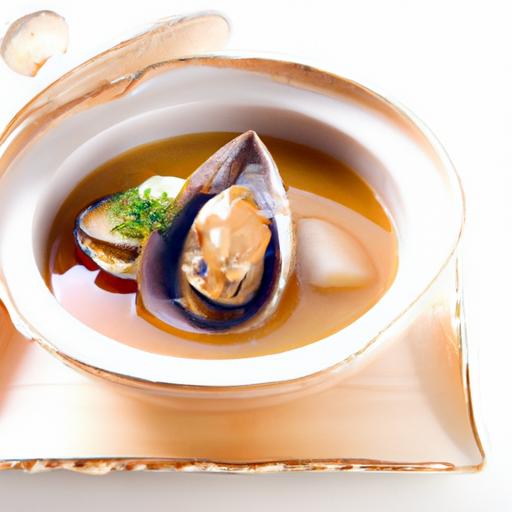


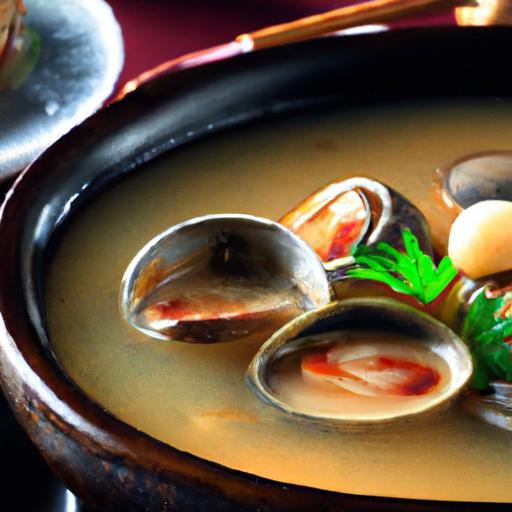
In the heart of Japan’s culinary tapestry lies a humble yet captivating dish that enchants the senses with its delicate aroma and rich flavors-Dobin Mushi.This traditional seafood broth, gently steamed and served in a small teapot known as a “dobin,” is more than just a soup; it’s an edible invitation to experience the essence of Japan’s coastal bounty. As steam rises and mingles with the subtle hints of seaweed, mushrooms, and fresh shellfish, Dobin Mushi transcends the ordinary, offering a moment of warmth and tranquility in every sip.Join us as we dive into the story behind this aromatic seafood steamed soup delight, uncovering its origins, ingredients, and the cultural importance that makes Dobin Mushi a treasured gem of Japanese cuisine.
Dobin Mushi: Japan’s Aromatic Seafood Steamed Soup Delight
Dobin Mushi,a treasured classic in Japanese cuisine,enchants the senses with its delicate balance of ocean-fresh ingredients and fragrant,umami-rich broth. Originating from the complex culinary traditions of Osaka and Kyoto, this aromatic seafood steamed soup delight captures the essence of Japanese seasonality and refinement. I still remember the first time I savored this steaming teapot broth on a cool autumn evening-each sip unveiling layers of flavor that transported me to a tranquil seaside ryokan, wrapped in warmth and serenity.
Prep and Cook Time
- Prep Time: 20 minutes
- Cook Time: 15 minutes
- Total Time: 35 minutes
Yield
- Serves 4 as an appetizer or light course
Difficulty level
- Medium – requires some careful readiness and balancing flavors
Key Ingredients and the Art of Balancing Flavors in Dobin Mushi
Central to this dish’s magic is the light yet deeply savory broth, crafted primarily from dashi stock infused with fresh seafood and subtle aromatics. The hallmark ingredients include succulent fresh squid, plump shiitake mushrooms, velvety ginger slices, and tender snapper or white fish. The broth’s umami comes from a delicate harmony of kombu (kelp),katsuobushi (bonito flakes),and a splash of soy sauce and mirin,delivering a complex sweetness and mild saltiness without overpowering the natural flavors.
Equally meaningful are the seasonal vegetables and herbs-small ginger slices and a whisper of yuzu peel add a citrusy brightness, elevating the broth’s freshness. The balance is all about subtlety: neither salty nor sweet dominates, instead creating a clean, transparent broth that carries the rich fragrance of steamed seafood steeped to perfection.
Ingredients
- 4 cups dashi stock (homemade or high-quality instant dashi powder)
- 100g fresh firm white fish fillet (e.g., snapper or cod), cut into bite-sized pieces
- 100g fresh squid tubes, cleaned and sliced into rings
- 4 fresh shiitake mushrooms, stems removed and caps sliced
- 4 small ginger slices (about 2mm thick)
- 4 small sprigs fresh mitsuba (japanese parsley) or substitute with flat-leaf parsley
- 1 tbsp soy sauce
- 1 tsp mirin
- 1 tsp sake (optional)
- Yuzu peel, thinly sliced, for garnish (optional)
- Salt, to taste
Step-by-Step Guide to Preparing authentic Dobin Mushi at Home
- Prepare your dashi stock. If using instant dashi powder, dissolve it in 4 cups of hot water and set aside. For a richer flavor, homemade dashi made with kombu and bonito flakes is highly recommended.
- Clean and cut the seafood. Slice the white fish into bite-sized pieces and cut the squid tubes into thin rings.Pat dry to remove excess moisture for a clean broth.
- Assemble ingredients in the dobin (teapot) or small heatproof bowls. Divide the fish, squid rings, shiitake mushrooms, and ginger slices evenly among four small teapots or ceramic bowls suitable for steaming.
- Pour the dashi broth over the ingredients. Add 1/4 cup of dashi stock to each pot or bowl gently, ensuring the ingredients are submerged but not overly crowded.
- Season the broth. Add a few drops of soy sauce,mirin,and sake to each pot,adjusting lightly to taste.
- Steam gently. Place the pots or bowls in a steamer basket over boiling water. Cover and steam for about 10-15 minutes or until the seafood turns opaque and tender, and the mushrooms have softened.
- Garnish and serve. Just before serving, add a small sprig of fresh mitsuba or parsley atop each pot and, if available, a thin slice of yuzu peel for a refreshing citrus aroma.
- Enjoy the experience. Traditionally, the broth is sipped directly from the miniature teapot spout, followed by savoring the seafood and accompaniments with chopsticks.This method enhances the aromatic encounter with each sip and bite.
Tips for Success
- Use the freshest seafood you can source-the beauty of Dobin Mushi lies in its simplicity and clean, natural flavors.
- If you don’t have a dobin teapot, use small heat-safe ceramic cups or ramekins with lids for steaming.
- Be careful not to over-salt; the dashi and soy sauce should create a delicate umami balance.
- Prep all ingredients ahead of time for smooth assembly and cooking, especially if hosting guests.
- For a vegetarian version, replace seafood with tofu cubes, carrots, and seasonal mushrooms, using kombu-dashi only.
Pairing Suggestions and Serving Tips to Enhance Your Dobin Mushi Experience
Serve this aromatic seafood steamed soup delight as an elegant starter or part of a kaiseki-style meal.Complement Dobin Mushi with a crisp, chilled sake or a light, floral white wine such as a Sauvignon Blanc or Grüner Veltliner. These beverages harmonize with the broth’s subtle umami and citrus notes without overpowering the palate.
As a visual treat, present each serving in a traditional dobin teapot or charming Japanese-style ceramic bowls. Accompany with a small plate of pickled vegetables and steamed rice for a complete dining experience. Garnishing with fresh mitsuba leaves or a thin twist of yuzu zest not only brightens the flavor but adds a pop of color, inviting guests into the elegant world of Japanese flavors.

| Nutrient | Per Serving |
|---|---|
| Calories | 110 kcal |
| Protein | 15g |
| Carbohydrates | 3g |
| Fat | 2g |
For readers interested in exploring japanese cuisine further, discover how to create authentic dashi stock, the soul of Dobin Mushi.For an authoritative deep dive into Japanese seafood cuisine, refer to Japan-Guide’s complete seafood overview.
Q&A
Q&A: Unlocking the Essence of Dobin Mushi – Japan’s Aromatic Seafood Steamed Soup Delight
Q1: What exactly is Dobin Mushi?
A1: Dobin Mushi is a traditional japanese clear broth soup, renowned for its delicate aroma and layered seafood flavors.Served in a small teapot called a “dobin,” this steamed soup blends seasonal seafood, mushrooms, and citrus to create a sensory experience that’s as much about scent as taste.
Q2: Where does the name “Dobin Mushi” come from?
A2: The name literally means “teapot steamed” (“dobin” = teapot, “mushi” = steamed). The soup is steamed inside a tiny teapot,which is both the vessel and presentation,emphasizing its unique brewing method and inviting diners to sip the broth directly from the spout.
Q3: What ingredients make Dobin mushi so special?
A3: The core ingredients often include fresh seafood like Matsutake mushrooms, shrimp, lobster, and white fish, paired with vibrant seasonal vegetables and a hint of yuzu citrus peel. the umami-rich dashi broth-made from kombu seaweed and dried bonito flakes-provides a savory base that harmoniously binds these elements.
Q4: how is Dobin Mushi traditionally served?
A4: Dobin Mushi is served simmering hot in its signature teapot. Typically,diners first sip the aromatic broth directly from the pot’s spout,savoring the fragrant essence. Afterward, the solid ingredients are enjoyed using a small skewer or spoon, making it a contemplative dining experience that unfolds bite by bite.
Q5: Why is the aroma such a crucial part of the experience?
A5: Aroma in Dobin Mushi acts as the first taste.The steaming method traps fragrant oils and volatile compounds, which are released upon pouring. This enveloping scent evokes the ocean and forest simultaneously, engaging the senses beyond just flavor and creating a multidimensional, immersive culinary moment.
Q6: Is Dobin Mushi a seasonal dish?
A6: Yes! While variations exist year-round, Dobin Mushi shines brightest in autumn when Matsutake mushrooms-highly prized for their pine-like aroma-are at their peak. This seasonality celebrates nature’s rhythms, making the dish a poetic ode to Japanese culinary tradition.
Q7: Can Dobin Mushi be found outside japan?
A7: Though it remains a niche delicacy largely tied to Japanese cuisine,upscale Japanese restaurants worldwide occasionally serve Dobin Mushi. However, authenticity shines best in Japan, where the freshest ingredients and cultural recognition create an unparalleled experience.
Q8: How can home cooks try making Dobin Mushi?
A8: Making dobin Mushi at home requires patience and quality ingredients. Start with a dashi broth base, add seasonal seafood and mushrooms, place everything in a small teapot or covered bowl, and steam gently. Finish with a slice of yuzu peel for that signature fragrance. Though it may not perfectly replicate the traditional presentation, the heart of the dish-the warm, aromatic broth-can still be enjoyed.
Q9: What makes Dobin Mushi a symbol of Japanese culinary philosophy?
A9: Dobin Mushi encapsulates the Japanese art of subtlety,seasonality,and harmony. It elevates simple ingredients through mindful preparation,celebrates natural flavors without overwhelming them,and invites diners into a quiet moment of sensory appreciation-hallmarks of Japan’s refined gastronomic culture.
Q10: Why should food lovers try Dobin Mushi?
A10: If you seek a culinary journey beyond taste-a dance of aroma, texture, and tradition-Dobin Mushi offers a rare reminder that food is an experience. It’s not merely eaten; it’s inhaled, savored, and felt. For adventurous palates and lovers of culture alike,this aromatic seafood steamed soup is a treasure waiting to be discovered.
Closing Remarks
In the delicate dance of flavors that define Japanese cuisine, Dobin Mushi stands out as a fragrant serenade to the sea. This aromatic seafood steamed soup not only captures the essence of Japan’s coastal bounty but also embodies a cultural tradition steeped in simplicity and elegance. Whether sipped from its teapot or savored alongside a meal, Dobin Mushi invites you to experience a moment of harmony-where earthy matsutake mushrooms meet briny ocean treasures in a subtle broth that awakens the senses. As you explore this delightful dish, you’re not just tasting a soup; you’re embracing a culinary story that has been lovingly steamed into every drop.