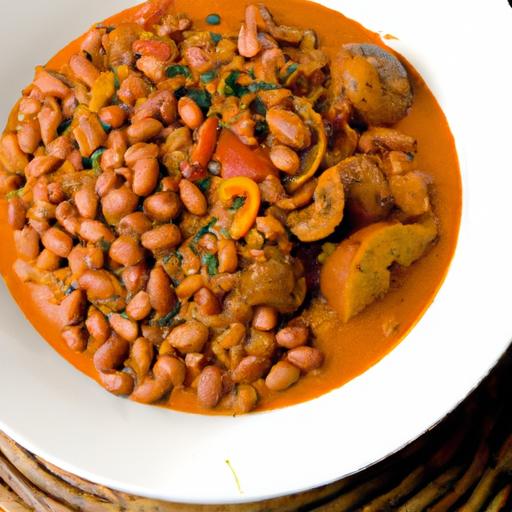
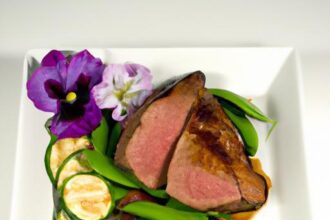
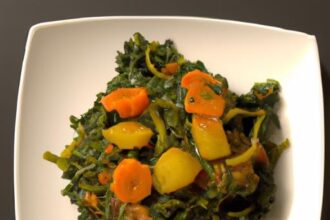
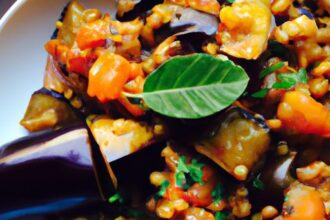
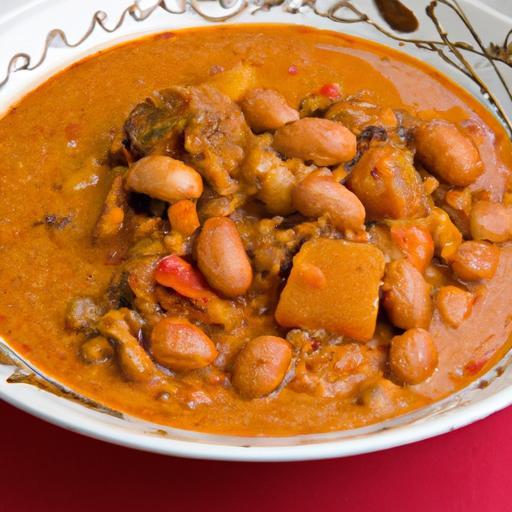
In the heart of West Africa lies a culinary gem that has quietly captured the taste buds and traditions of The Gambia for generations: domoda. Frequently enough described as a comforting embrace on a plate, this classic peanut stew marries simple ingredients with rich, layered flavors, telling a story of culture, history, and community in every spoonful. From humble kitchens to festive gatherings, Domoda’s savory secrets unlock a world where roasted peanuts meet tender meat and vibrant spices, creating a dish that is as nourishing as it is indeed unforgettable.Join us as we explore the origins, ingredients, and irresistible charm behind Gambian Domoda-the beloved peanut stew that continues to warm hearts and tables across the region.
Savory Secrets of Gambian Domoda invite us to explore a dish steeped in tradition and bursting with warm, comforting flavors. This classic peanut stew from The Gambia has long been a cherished symbol of hospitality and communal feasting. With its rich, velvety peanut base and the vibrant medley of locally sourced ingredients, Domoda offers not just nourishment but a story that reflects centuries of west african culture. Whether you’re new to this savory treasure or revisiting a beloved favorite, mastering the peanut stew base empowers you to create an authentic and soul-satisfying experience.
Prep and Cook Time
- Planning: 20 minutes
- Cooking: 1 hour 10 minutes
- Total Time: 1 hour 30 minutes
Yield
Serves 6 hearty portions
Difficulty Level
Medium – Perfect for those pleasant with layering flavors and slow simmering
Ingredients
- 2 tablespoons palm oil or vegetable oil
- 1 large onion, finely chopped
- 3 cloves garlic, minced
- 1 tablespoon fresh ginger, grated
- 1 tablespoon tomato paste
- 3 medium tomatoes, diced
- 1 cup natural peanut butter (preferably unsweetened and unsalted)
- 4 cups chicken or vegetable broth
- 2 medium sweet potatoes, peeled and cubed
- 1 cup carrots, sliced into rounds
- 1 teaspoon smoked paprika
- 1 teaspoon dried thyme
- Salt and freshly ground black pepper, to taste
- 1 lb chicken thighs, cut into bite-sized pieces (optional)
- Fresh parsley or cilantro, for garnish
- Cooked white rice or millet, for serving
Instructions
- heat the oil in a large heavy-bottomed pot over medium heat. Add the finely chopped onion and sauté until translucent and beginning to caramelize, about 6-7 minutes, stirring frequently to prevent burning.
- Add minced garlic and grated ginger, cooking for another 1-2 minutes until aromatic. Stir in the tomato paste and diced tomatoes, allowing them to break down and form a thick sauce, about 5 minutes.
- Mix in the peanut butter by gradually stirring it into the tomato mixture. This step is crucial to creating the signature velvety peanut stew base. Add a splash of broth if the mixture feels too thick,stirring until smooth.
- pour in the chicken or vegetable broth, stirring to combine. Bring the stew to a simmer over medium heat.
- Add the sweet potatoes and carrots, then season with smoked paprika, thyme, salt, and pepper. Reduce heat to low and cover the pot, gently simmering for 25 minutes, or until the vegetables are tender but intact.
- If using chicken, sear the pieces in a separate pan until golden on all sides, then add them to the stew and cook for another 20 minutes to infuse flavors and ensure the chicken is cooked through.
- Adjust seasoning according to taste and stir occasionally to prevent sticking or burning on the pot’s bottom.
- Once the stew has thickened slightly and all ingredients are tender, remove from heat and let it rest for 5 minutes.
- Serve hot over cooked white rice or millet, garnished generously with chopped fresh parsley or cilantro – the perfect finishing touch for a bright, fresh contrast.
tips for Success
- For depth, toast raw peanuts lightly before making your peanut butter or use a high-quality natural peanut butter free of added sugars.
- If plant-based, omit chicken and substitute vegetable broth for a rich vegan Domoda.
- Simmer gently-a slow cook allows the flavors to meld beautifully without bitterness.
- Consistency can be adjusted by adding more broth for a soupier stew or simmering longer for a thicker texture.
- Leftovers deepen in flavour overnight and reheat beautifully.
Elevate Your Domoda Experience: Serving Suggestions and Pairings
Presenting this flavorful peanut stew alongside fragrant jasmine rice or fluffy millet creates a classic plate. For an added texture contrast, roasted plantains or sautéed greens like collards or kale make perfect accompaniments that enhance both taste and nutrition.
A refreshing cucumber and tomato salad dressed in lime juice offers a crisp balance to the stew’s creamy richness. Finish the plate with a sprinkle of crushed peanuts or a dash of chili flakes for subtle heat and visual appeal.

| Nutrient | Per Serving |
|---|---|
| calories | 410 kcal |
| Protein | 28 g |
| Carbohydrates | 34 g |
| Fat | 19 g |
To deepen your knowledge of West African flavors, check out our detailed guide on West African spices and herbs. For authentic peanut butter options, see this FDA guide to natural peanut products.
Q&A
Q&A: Savory Secrets of Gambian Domoda – The Classic Peanut Stew
Q1: What exactly is Domoda,and why is it so beloved in Gambian cuisine?
A1: Domoda is a rich,hearty peanut stew that forms the heart of gambian home cooking. Often hailed as the country’s quintessential comfort food, it combines tender meats or fish with a luscious, velvety peanut sauce. Its beloved status comes not only from its flavorful taste but from its deep roots in Gambian culture and tradition-a dish that warms the body as much as the soul.
Q2: What are the primary ingredients that give Domoda its unique flavor?
A2: At the core of Domoda is ground peanuts or peanut butter, which creates a creamy, nutty base that is both earthy and slightly sweet. this is melded with tomatoes, onions, garlic, and often a touch of chili for warmth. The stew typically includes beef, lamb, chicken, or fish, simmered until meltingly tender. The blend of spices-often including bay leaves and sometimes tamarind-adds layers of aromatic complexity.
Q3: How does domoda reflect Gambian culture and history?
A3: Domoda is more than a dish; it’s a culinary storybook.Peanuts, introduced to West Africa centuries ago, became a staple crop and a symbol of prosperity. Domoda’s reliance on peanuts connects it directly to Gambian agricultural heritage. Moreover, its communal nature-often cooked in large pots and shared among family and friends-mirrors the country’s spirit of unity and hospitality.
Q4: Are there variations of Domoda across diffrent regions or families in gambia?
A4: Absolutely! Like any classic dish passed down through generations, Domoda has countless regional and familial twists. Some prefer a meatier version with hefty chunks of beef, while coastal communities might swap in fresh fish or shrimp. The choice of spices and the consistency of the stew can vary too-from thicker and richer to lighter, more broth-like versions-all reflecting personal and local tastes.
Q5: can Domoda be adapted for modern or international kitchens?
A5: Definitely. Domoda’s blend of familiar ingredients like peanut butter and tomatoes makes it highly adaptable. For a vegetarian twist, hearty root vegetables or mushrooms can replace meat. Gluten-free and dairy-free by nature, it fits many dietary needs. Modern cooks might even experiment by serving it over quinoa or brown rice rather of customary white rice, lending a contemporary health-conscious touch without losing its soul.
Q6: What’s the best way to serve and enjoy Domoda?
A6: Traditionally, Domoda is ladled generously over fluffy white rice, allowing the rich sauce to soak up every grain. A side of sautéed greens or fresh salad balances the stew’s intensity. It’s best enjoyed in a relaxed setting, shared with loved ones-each bite a festivity of gambian heritage in a bowl.
Q7: Why should food lovers outside of gambia try making Domoda at home?
A7: As Domoda is a gateway to the vibrant flavors and history of West Africa. It’s a dish that teaches patience through its slow simmer, rewards with deep, soulful taste, and invites connection through its communal roots.Making Domoda is not just about cooking-it’s about embracing a culinary tradition that’s as rich in culture as it is in flavor.
Future Outlook
As the rich, velvety flavors of Domoda linger on the palate, it becomes clear that this classic gambian peanut stew is far more than a comforting dish-it is a celebration of culture, history, and community. Behind every spoonful lies a tapestry of tradition woven with aromatic spices, tender ingredients, and the warmth of shared meals. Whether you’re a seasoned traveler to West Africa or a curious culinary explorer,Domoda invites you to savor not just its savory secrets but also the stories and spirit it carries. So next time you seek a hearty, soulful stew that bridges heritage and home, let Domoda be your delicious guide into the heart of Gambian cuisine.