In the world of gastronomy, few dishes evoke the rustic charm and refined elegance of French cuisine quite like duck confit. This timeless culinary treasure, with roots tracing back centuries, embodies the art of preservation and the celebration of rich, indulgent flavors. “Duck Confit Unveiled” invites you on a journey into the heart of this iconic delicacy-where slow-cooked duck legs transform into tender, melt-in-your-mouth perfection, kissed by golden, crispy skin. Beyond its sumptuous taste, duck confit tells a story of tradition, technique, and a passion for savoring life’s simplest yet most exquisite pleasures. Join us as we uncover the secrets behind this classic dish and explore why it continues to captivate food lovers around the globe.
Duck confit is the epitome of French culinary tradition, a dish born from necessity yet elevated to gourmet status through its meticulous planning and irresistible flavors. Originating in the southwest of France, notably gascony, this preservation technique dates back centuries when duck legs were slowly cooked in their own fat to ensure shelf stability before refrigeration. The result is a sublime marriage of crispy,golden skin and deeply tender,almost melting meat-an experience that has captivated food lovers and chefs around the world.
Prep and Cook Time
- Preparation: 12-24 hours (including curing time)
- Active Cooking: 2-3 hours
- Total: Approximately 14-27 hours
Yield
4 servings
Difficulty Level
Medium – requires patience and attention to detail but very rewarding
Ingredients
- 4 duck legs, skin on, bone-in
- 4 cups duck fat (rendered or store-bought)
- 4 cloves garlic, minced
- 1 tbsp kosher salt
- 1 tsp black peppercorns, crushed
- 2 sprigs fresh thyme
- 1 bay leaf
- Zest of 1 lemon (optional for brightness)
Instructions
- Cure the duck legs: Rub each leg evenly with salt, minced garlic, crushed peppercorns, lemon zest, and tuck thyme sprigs underneath the skin. Place in a baking dish, cover tightly with plastic wrap, and refrigerate for 12-24 hours to develop flavor and reduce moisture.
- Preheat the oven: Set your oven to 225°F (105°C) for gentle cooking.
- Prepare the duck fat: While the duck cures, gently warm the duck fat in a large, ovenproof pot or Dutch oven until melted.
- Rinse and pat dry: After curing, rinse the salt mixture off the duck legs and pat thoroughly dry with paper towels-this is key for crisp skin later.
- Submerge in fat: Place the duck legs into the pot of duck fat, skin-side down first, making sure they are wholly covered.Add the bay leaf to the fat.
- Slow cook: Transfer the pot to the oven and cook for 2 to 3 hours, until the meat is tender and easily pulls away from the bone.
- cool in fat: Let the duck legs cool in the fat at room temperature. For longer preservation,store submerged and refrigerated for up to 1 month.
- Finish for serving: When ready to serve, gently remove the legs from the fat and wipe off excess fat. To master that coveted crispy skin, place legs skin-side down in a hot skillet over medium heat, sautéing until golden and crackling, about 5-7 minutes.
Tips for Success
- Ensure dryness: After curing and rinsing, thorough drying is essential to achieve the perfect crispy skin during the final sear.
- Quality duck fat: Using fresh,clean duck fat ensures depth of flavor. If unavailable, goose fat is a fantastic option.
- Make ahead: Duck confit stores beautifully in fat and actually improves in flavor after a day or two, making it ideal for meal prepping or entertaining.
- Variations: Add a touch of crushed juniper berries or orange zest to the curing salt blend for aromatic complexity.
- Reheating: Warm duck confit gently in a low oven or skillet to avoid drying out meat or losing fat integrity.
serving Suggestions
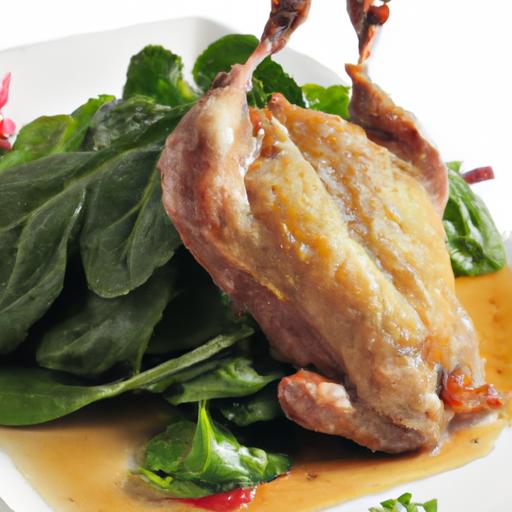
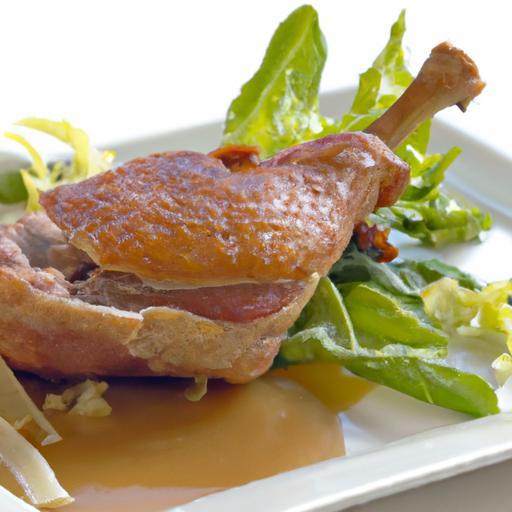
Duck confit is a versatile hero at the table. Serve atop a bed of lightly dressed frisée salad to cut through the richness, garnish with toasted walnuts and tangy goat cheese for contrast. Classic sides like potatoes sautéed in duck fat make an impeccable pairing, offering crispy exteriors and pillowy textures. For brightness, accompany with tart cherry compote or a splash of balsamic glaze. Finish with fresh herbs like parsley or thyme to enhance the aroma and visual appeal.

nutritional Details (Per Serving)
| Calories | Protein | Carbohydrates | Fat |
|---|---|---|---|
| 650 kcal | 25 g | 1 g | 60 g |
For those inspired to dive deeper into traditional French cuisine, visit the International Culinary Center to explore more about such timeless classics.
Q&A
Q&A: Duck Confit Unveiled – A Timeless French Culinary Treasure
Q1: What exactly is duck confit?
A1: Duck confit is a centuries-old French delicacy where duck legs are slow-cooked in their own fat until meltingly tender and irresistibly flavorful. The process preserves the meat while infusing it with a rich, silky texture-a true celebration of rustic french artistry.
Q2: How did duck confit become such a beloved dish in French cuisine?
A2: Originating in the southwestern regions of France, particularly Gascony, duck confit was initially a preservation technique in the era before refrigeration. Over time, its deliciousness transcended practicality-becoming a culinary emblem of French tradition and indulgence, cherished in home kitchens and Michelin-starred restaurants alike.
Q3: What makes duck confit’s preparation unique?
A3: The magic lies in patience and simplicity. Salt cures the duck legs overnight, seasoning the meat deeply. Then they’re gently submerged and slowly cooked in duck fat at a low temperature, sometimes for several hours. This slow confit method locks in moisture and flavor while rendering the fat into a luscious, golden treasure.
Q4: How is duck confit traditionally served?
A4: Duck confit is versatile and can be dressed up or down. Classic accompaniments include crispy potatoes cooked in duck fat (pommes sarladaises), tangy salad greens, or hearty lentils. Whether presented as a rustic comfort dish or an elegant entrée, each bite offers a sumptuous balance of texture and flavor.
Q5: Can you replicate duck confit at home, or is it best left to the professionals?
A5: While the traditional process demands patience and some technique, home cooks can absolutely master duck confit with the right guidance. Quality duck legs, proper curing salt, and the gentle embrace of duck fat are key. there’s a rewarding sense of pride in serving this timeless treasure crafted by your own hands.
Q6: Why does duck confit hold such a revered place in French culinary heritage?
A6: More than just a dish, duck confit embodies French values of tradition, patience, and respect for ingredients. It tells a story of resourcefulness, flavor, and craftsmanship-a appetizing link connecting generations and regions. Its enduring appeal lies in its ability to comfort, captivate, and nourish both body and soul.
Q7: Are there modern twists on duck confit that keep the tradition alive?
A7: Absolutely! Innovative chefs experiment with duck confit by pairing it with unexpected spices,integrating it into contemporary dishes like tacos or salads,or reimagining it in smaller bites as canapé delights.Yet, no matter the twist, the essence of slow-cooked, tender duck remains the heart of this culinary treasure.
Discovering duck confit is like opening a savory time capsule-each bite whispers stories of French terroir,tradition,and timeless technique. Whether you savor it in a cozy bistro or create your own at home, duck confit invites you to slow down, savor deeply, and celebrate the art of true flavor. Bon appétit!
Concluding remarks
As the final golden, crispy slice of duck confit melts on the palate, one cannot help but appreciate the artistry and tradition simmering behind every tender bite. This timeless French treasure, steeped in history and crafted with patience, invites us not only to savor its flavors but to celebrate a culinary heritage that transcends generations. Whether enjoyed in a cozy Parisian bistro or recreated in your own kitchen, duck confit remains a delicious reminder that some classics never go out of style-they only deepen in richness and charm with time.