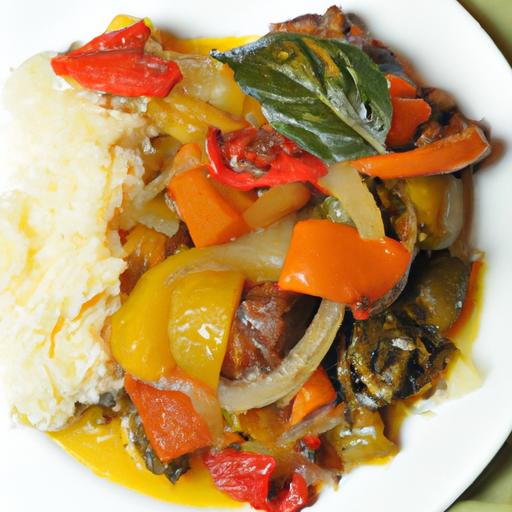


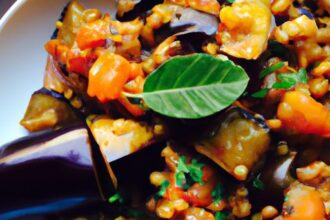
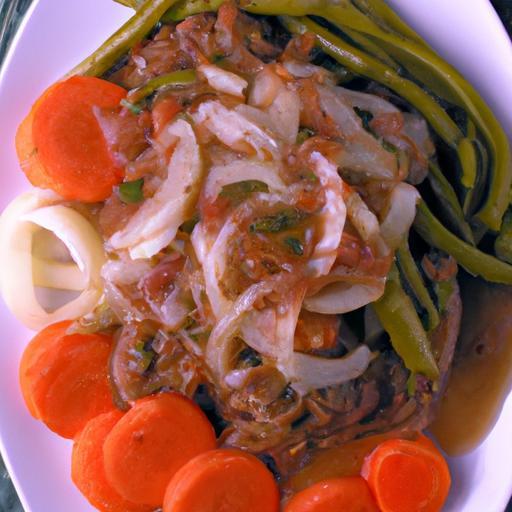
Craving a culinary adventure that transports your taste buds straight to the heart of East Africa? Look no further than the best East African restaurant near you! An East African restaurant near you offers vibrant spices, hearty stews, and rich cultural traditions in every bite. Whether you’re a seasoned foodie or simply curious, finding an East African restaurant near you promises a memorable dining experience. From Ethiopian injera to Kenyan nyama choma, every East African restaurant near you highlights the warmth of hospitality and the heritage of flavor. Exploring an East African restaurant near you is more than just a meal—it’s a journey into culture, family, and community.
Discovering Tradition
When you discover the best East African restaurant near you, you’ll unlock a world of mouthwatering delicacies. Every East African restaurant near you showcases dishes that celebrate history and tradition, blending spices and textures that are both comforting and exciting. From cozy gatherings to celebratory feasts, an East African restaurant near you provides a place where food connects people. In fact, exploring an East African restaurant near you means indulging in recipes passed down for generations, each plate filled with heritage and care. It’s not just about food—it’s about the experience an East African restaurant near you delivers every single time.
Authentic Flavors at Your Table
Discover the best East African restaurant near you today and bring a plate of Ugali and Sukuma Wiki to your table—a truly authentic taste of East Africa that celebrates simplicity, tradition, and vibrant flavors. An East African restaurant near you offers Ugali, a firm maize porridge loved across Kenya, Tanzania, and Uganda, paired with Sukuma Wiki, fragrant sautéed kale. In every East African restaurant near you, this humble yet hearty pairing shines, nourishing generations with comfort and pride. Recreating these dishes at home is rewarding, but dining at an East African restaurant near you surrounds you with the aromas, colors, and atmosphere of authenticity. With every visit to an East African restaurant near you, you’ll rediscover the joy of flavors that tell a story.
Prep and Cook Time
- Preparation Time: 10 minutes
- Cooking Time: 20 minutes
- Total Time: 30 minutes
Yield
Serves 4 generous portions
Difficulty Level
Easy – perfect for novice cooks eager to explore East African cuisine
Ingredients
- For the Ugali:
- 2 cups maize flour (cornmeal), preferably coarse-ground
- 4 cups water
- Pinch of salt (optional)
- For the Sukuma Wiki:
- 1 lb fresh kale (or collard greens), washed and chopped
- 2 tbsp vegetable oil or sunflower oil
- 1 medium onion, finely sliced
- 2 cloves garlic, minced
- 1 medium tomato, diced
- 1 small green chili, deseeded and chopped (optional for heat)
- Salt, to taste
- Freshly ground black pepper, to taste
Instructions
- In a medium saucepan, bring 4 cups of water to a boil over high heat. Add a pinch of salt if using.
- reduce heat to medium-low and gradually stir in the maize flour using a wooden spoon or traditional mwiko stirrer to avoid lumps.
- Continue stirring constantly until the mixture thickens, becoming a dense dough-like mass (about 7-10 minutes). Scrape the sides of the pan to incorporate any dry flour.
- once cooked, reduce heat to low and cover the pan, allowing the Ugali to steam gently for 5 minutes. It should pull away from the sides of the pan and have a smooth, elastic texture.
- While the Ugali rests, heat the vegetable oil in a large skillet over medium heat. Add onions and sauté until soft and golden, about 5 minutes, stirring occasionally to prevent sticking.
- Add minced garlic and cook for another 1 minute until fragrant.
- Stir in the diced tomato and green chili if using, cooking until the tomato softens and releases juices (about 4 minutes).
- Add the chopped kale gradually, stirring frequently. Cook until the leaves are just wilted but still vibrant green, about 5-7 minutes. Season with salt and pepper to taste.
- To serve, mold the Ugali into rounds using a spoon and plate alongside a generous helping of Sukuma Wiki. Traditionally, Ugali is eaten by hand, breaking off a bite-sized piece and using it to scoop the greens.
Chef’s notes
- For a richer Ugali, substitute 1 cup of water with coconut milk for subtle sweetness and added creaminess, reflecting coastal East African influences.
- Collard greens can replace kale if unavailable,as both provide the slightly bitter,earthy backbone essential to sukuma Wiki.
- Adjust chili amounts to suit your heat tolerance; red chili flakes also work well for a smoky twist.
- Prep ahead: Ugali tastes best freshly cooked but can be reheated gently with a splash of water to restore softness. Sukuma Wiki reheats beautifully and can be stored airtight for 2 days.
Serving Suggestions
Present the Ugali and Sukuma Wiki on a rustic wooden platter or traditional banana leaf for an authentic vibe. Garnish the greens with a sprinkle of toasted peanuts or chopped fresh cilantro to enhance texture and flavor contrast. Pair this dish with a side of Nyama Choma (grilled meat) or fresh mandazi (East African doughnuts) for a complete feast. enjoy with a cold glass of East African hibiscus tea (Jamaica) or locally brewed Chai for a refreshing finish.

Nutrition Information
| Nutrient | Per Serving |
|---|---|
| Calories | 280 kcal |
| Protein | 7 g |
| Carbohydrates | 45 g |
| Fat | 6 g |
ready to find the ideal place to savor East African flavors? Explore our collection of top East African restaurants to discover unforgettable dining experiences that bring these traditional dishes to life. For a deeper dive into the cultural heritage and culinary techniques,visit the Encyclopedia Britannica’s page on East Africa.
Q&A
Q&A: Discover the Best East African Restaurant Near You Today!
Q1: What makes East African cuisine unique?
A1: East African cuisine is a vibrant tapestry of flavors,blending indigenous ingredients with influences from arab,Indian,and European culinary traditions. Expect hearty stews, fragrant spices like cardamom and coriander, and staples such as injera (a sourdough flatbread), ugali (a maize-based porridge), and flavorful meats and vegetables. Each dish tells a story of rich cultural heritage and diverse landscapes.
Q2: How can I find the best East African restaurant near me?
A2: Start by exploring local food directories or apps, focusing on customer reviews that highlight authenticity and flavor. Social media platforms and food bloggers can offer great recommendations. Don’t hesitate to ask for signature dishes or seek out restaurants run by East African communities-authenticity often lives in family recipes passed down generations.Q3: What dishes should I try at an East African restaurant?
A3: Must-tries include Ethiopian injera with wat (spiced stew), Kenyan nyama choma (grilled meat), Tanzanian pilau rice, and Ugandan matoke (steamed plantains). If available, sampling traditional coffee ceremonies in ethiopian or Eritrean eateries adds an immersive cultural experience to your meal.
Q4: Are East African restaurants suitable for dietary restrictions?
A4: Absolutely! East African cuisine offers plenty of vegetarian and vegan options, like lentil stews, vegetable curries, and injera with greens. Gluten-free diners can enjoy dishes centered around maize,millet,or sorghum. Just inform your server about dietary needs-they’re often happy to recommend suitable dishes.
Q5: Why should I choose an East African restaurant over othre international cuisines?
A5: Choosing East African cuisine means embarking on a culinary journey through rich histories and diverse landscapes-from the highlands of Ethiopia to the coastal spice markets of Zanzibar. It’s a chance to savor bold flavors, share communal meals, and support vibrant immigrant communities that bring their homeland’s heart to your table.
Q6: How can I make the most of my visit to an East African restaurant?
A6: Embrace the experience by sharing dishes family-style, using your hands if that’s the tradition, and engaging with the staff about the origins of the dishes. Many restaurants also offer cultural nights featuring music or storytelling-perfect for deepening your connection to the food and its roots.
Discovering the best East African restaurant near you is more than just a meal-it’s stepping into a world of warmth, history, and unforgettable flavors. Ready to taste the adventure?
To Conclude
As the vibrant flavors of East Africa continue to captivate taste buds around the world, discovering the best local restaurants offering these culinary treasures has never been more rewarding. Whether you crave the smoky warmth of suya, the fragrant spices of pilau, or the comforting embrace of ugali, there’s an authentic East African dining experience waiting just around the corner.So next time hunger strikes, embark on a flavorful journey without leaving your neighborhood-your new favorite East African restaurant is closer than you think. Dive in, savor each bite, and let the rich heritage of East African cuisine transport you to a world of taste and tradition.