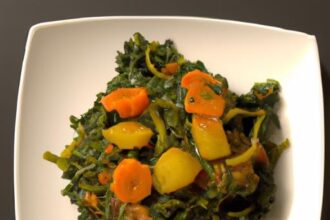
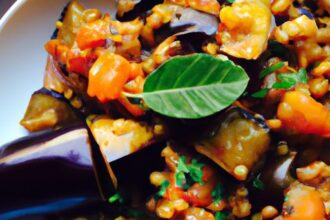
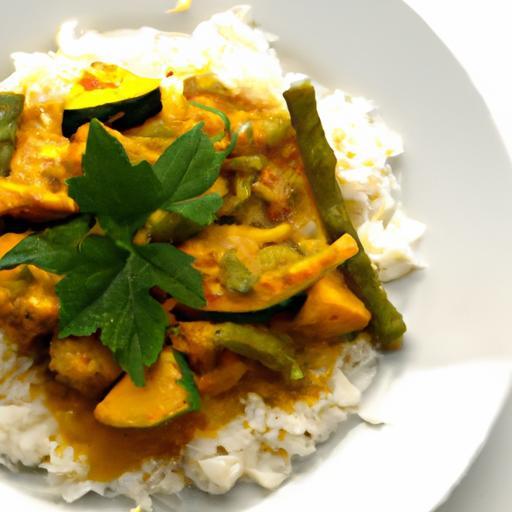
In the heart of Africa’s rich culinary tapestry lies a vibrant secret to sustained energy and wholesome nourishment-power meals brimming with bold flavors, colorful ingredients, and time-honored traditions. “Energize Your Day: Discover vibrant African Power Meals” invites you on a flavorful journey through the continent’s diverse kitchens, where every dish tells a story of resilience, vitality, and festivity. Whether you seek a morning boost, a midday recharge, or an evening feast that fuels your passions, these dynamic meals blend nutrient-rich staples with invigorating spices to awaken your senses and empower your day. Prepare to explore recipes that not only satisfy your hunger but also connect you to the soulful spirit of Africa’s culinary heritage-as energy is not just what you eat, but what you embrace.
Energize Your Day: Discover Vibrant African Power Meals by indulging in nutrient-packed dishes that not only awaken your senses but also deliver an invaluable boost to your body and mind. Rooted in rich cultural traditions, these meals harness the power of wholesome ingredients like millet, leafy greens, and spicy legumes to fuel long-lasting energy and focus. Drawing inspiration from West African kitchens where vibrant colors meet bold flavors,this recipe celebrates the heartiness and vitality of African cuisine in a simple yet soul-satisfying breakfast.
Prep and Cook Time
Planning: 15 minutes | Cooking: 25 minutes | Total Time: 40 minutes
Yield
4 hearty servings
Difficulty level
Medium – Perfect for home cooks ready to explore vibrant African inspired breakfasts.
Ingredients
- 1 cup millet, rinsed and drained
- 2 ½ cups water
- 1 tbsp palm oil (or substitute with extra virgin olive oil)
- 1 medium onion, finely chopped
- 2 cloves garlic, minced
- 1 tsp smoked paprika
- ½ tsp ground turmeric
- 1 cup chopped fresh spinach or kale
- 1 cup cooked black-eyed peas (canned is fine, drained and rinsed)
- 1 medium tomato, diced
- 1 small red chili, deseeded and finely chopped (optional)
- Salt and black pepper to taste
- Fresh cilantro for garnish
Instructions
- Cook the millet: In a medium saucepan, bring the water to a boil. Add the rinsed millet and a pinch of salt. Reduce heat to low and cover. Simmer for 20 minutes until millet is tender and water is absorbed.Fluff with a fork and set aside.
- Sauté aromatics: While the millet cooks, heat palm oil in a large skillet over medium heat. Add the chopped onion and garlic,sautéing until translucent and fragrant,about 5 minutes.
- Add spices: Stir in smoked paprika, turmeric, and the red chili if using. Cook for 1 minute, stirring constantly to release their aroma.
- Incorporate vegetables and legumes: Add the diced tomato, chopped spinach, and cooked black-eyed peas. Stir well and cook until the greens are wilted and the tomato softens, about 4-5 minutes. Season with salt and pepper.
- Combine millet and veggie mix: Fold the cooked millet into the skillet with the vegetable and legume mixture.Heat gently for 3-4 minutes, allowing all flavors to meld harmoniously.
- Final touches: Taste and adjust seasoning. Remove from heat and garnish generously with fresh cilantro before serving.
Chef’s notes
- You can substitute millet with quinoa or bulgur for a different texture but keep cooking times in mind.
- For a vegan dish, palm oil provides an authentic flavor; however, olive oil is a lighter alternative that aligns well with Mediterranean preferences.
- Make-ahead tip: Prepare the millet and vegetable mixture separately and combine just before serving for fast breakfasts during busy mornings.
- If you prefer extra protein, stir in some toasted peanuts or top with a fried egg for a flavorful twist.
- Adjust the chili quantity according to your spice tolerance to perfectly suit your palate.
Serving Suggestions
Serve this vibrant dish warm in shallow bowls to showcase its colorful medley of ingredients. A wedge of lime on the side adds a refreshing citrus boost. Complement with a tall glass of freshly brewed hibiscus tea or spiced ginger elixir to fully embrace the African power meal experience. garnish with additional chopped cilantro or sliced green onions for visual appeal and a burst of fresh flavor. This dish pairs beautifully with crisp, toasted flatbreads or a side of roasted plantains for extra energy in your morning routine.

| Nutrient | Per Serving |
|---|---|
| Calories | 320 kcal |
| Protein | 12 g |
| Carbohydrates | 45 g |
| Fat | 8 g |
| Fiber | 7 g |
To deepen your exploration of wholesome breakfasts, check out our Healthy African Breakfast Ideas.For more on the nutritional science behind ancient grains like millet,visit the Healthline Millet Nutrition Guide.
Q&A
Q&A: Energize your Day with Vibrant African Power Meals
Q1: What exactly are African power meals,and why are they called “power meals”?
A1: African power meals are vibrant,nutrient-packed dishes rooted in the diverse culinary traditions across the continent. They’re called “power meals” as they combine wholesome ingredients like hearty grains, protein-rich legumes, fresh vegetables, and bold spices that fuel your body and mind for a lively, energized day.
Q2: Which African ingredients are key to creating these energizing dishes?
A2: Staples like millet, sorghum, teff, and fonio provide complex carbs for sustained energy. Legumes such as black-eyed peas and cowpeas offer plant-based protein, while greens like cassava leaves and amaranth deliver iron and vitamins. Spices like berbere, harissa, and peri-peri not only add flavor but also stimulate metabolism.
Q3: Can you give an example of a vibrant African power meal to try for breakfast?
A3: Certainly! Try Pap and Akara-a creamy millet or maize porridge (pap) paired with crispy, protein-rich black-eyed pea fritters (akara). This combo offers a balanced start with fiber, protein, and energy-boosting carbs to keep you alert all morning.
Q4: How do these African power meals fit into a modern, busy lifestyle?
A4: Many African power meals are quick to prepare or can be batch-cooked for convenience. Plus, their natural balance of macronutrients helps improve focus and stamina, making them perfect for jet-setting professionals, active students, or anyone seeking nutritious, feel-good food on the go.
Q5: Are these meals adaptable to different dietary preferences or restrictions?
A5: Absolutely! African cuisine shines with its plant-based staples, lending itself wonderfully to vegetarian and vegan diets. For gluten sensitivities, naturally gluten-free grains like millet and teff are ideal. And if you love bold flavors, the array of spices can be adjusted to suit mild to fiery palates.
Q6: How can incorporating african power meals enhance overall health and energy?
A6: These meals offer rich sources of fiber, antioxidants, vitamins, and minerals that support digestion, immune function, and steady blood sugar levels. The combination of complex carbs and protein sustains energy release, preventing mid-day slumps and keeping you revitalized naturally.
Q7: where can someone learn to prepare these vibrant dishes?
A7: There’s an abundance of cookbooks, food blogs, and even virtual cooking classes dedicated to African cuisine. Exploring local African markets or specialty stores can also inspire you with authentic ingredients and fresh ideas to create your own power meals at home.
Harness the vibrant flavors and wholesome goodness of African power meals and watch your energy soar throughout the day!
To Wrap It Up
As you embark on your journey to energize each day, let the vibrant flavors and rich traditions of African power meals be your guide.These nourishing dishes not only fuel your body but also tell stories of diverse cultures,resilience,and celebration. By embracing these hearty meals, you invite a burst of vitality and well-being into your routine-transforming every bite into a step toward a more energized, inspired you.So go ahead, savor the spice, the color, and the history on your plate, and discover how African power meals can ignite your day from the inside out.