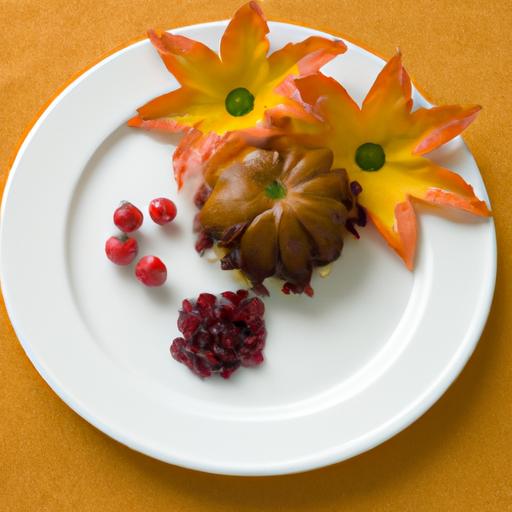
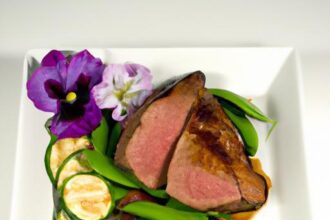
Master Holiday Cooking: Proven Power Techniques for Festive Flavors sets the stage for a magical season where every recipe becomes a celebration of taste. With Master Holiday Cooking: Proven Power Techniques for Festive Flavors, your kitchen transforms into a cozy haven filled with joy, aroma, and creativity. Whether hosting family gatherings or preparing intimate dinners, Master Holiday Cooking: Proven Power Techniques for Festive Flavors guides you toward crafting unforgettable meals. Embrace the seasonal spirit with confidence as Master Holiday Cooking: Proven Power Techniques for Festive Flavors helps you turn classic dishes into vibrant feasts. From aromatic spices to indulgent textures, Master Holiday Cooking: Proven Power Techniques for Festive Flavors ensures every bite captures the warmth and tradition of the season.
As you explore seasonal ingredients, Master Holiday Cooking: Proven Power Techniques for Festive Flavors becomes your essential companion for elevating every dish. Crisp winter produce shines when paired with Master Holiday Cooking: Proven Power Techniques for Festive Flavors, bringing depth and richness to your holiday table. Whether roasting, glazing, or seasoning, Master Holiday Cooking: Proven Power Techniques for Festive Flavors elevates even simple ingredients into standout creations. Home chefs rely on Master Holiday Cooking: Proven Power Techniques for Festive Flavors to blend heritage with innovation, creating meals that dazzle with festive flair. With every preparation, Master Holiday Cooking: Proven Power Techniques for Festive Flavors helps you master the art of joyful, flavor-packed cooking throughout the season.
Prep and Cook Time
- Preparation: 25 minutes
- Cooking: 40 minutes
- Total Time: 1 hour 5 minutes
Yield
serves 6 generously, perfect for intimate family gatherings or festive celebrations.
Difficulty Level
medium – approachable for enthusiastic home cooks ready to elevate classic recipes with contemporary twists.
Ingredients
- 2 cups butternut squash, peeled and cubed
- 1 large sweet onion, thinly sliced
- 3 cloves garlic, minced
- 1 tbsp fresh sage, finely chopped
- 1 tsp ground cinnamon
- ½ tsp freshly ground nutmeg
- 2 tbsp unsalted butter
- 1 cup vegetable broth, low sodium
- 1 cup heavy cream
- Salt and pepper to taste
- 1 tbsp maple syrup (optional, for a subtle sweetness)
- 2 tbsp toasted pecans, chopped (for garnish)
- Fresh thyme sprigs (for garnish)
Instructions
- Sauté Aromatics: In a large skillet, melt the butter over medium heat. Add the sliced onion and cook until translucent and slightly caramelized, about 8 minutes. Stir frequently to avoid burning.
- Add Garlic and Spices: Stir in the minced garlic, fresh sage, cinnamon, and nutmeg. Sauté for 1-2 minutes until fragrant but not browned.
- Cook Squash: Add the butternut squash cubes to the skillet, stirring to coat them evenly with the aromatics and spices. Cook for 5 minutes, stirring occasionally.
- Simmer: Pour in the vegetable broth, bring to a gentle simmer, and cover. Let it cook for 15-20 minutes until squash is tender when pierced with a fork.
- Puree the Mixture: Using an immersion blender or transferring carefully to a blender, puree the ingredients until smooth and silky. Return to the skillet if needed.
- Finish with Cream and Sweetness: Stir in the heavy cream and maple syrup, if using. Heat through gently without boiling.Season with salt and pepper to taste.
- Plate and Garnish: Spoon the velvety squash purée into warm bowls. Garnish with toasted pecans and a sprig of fresh thyme for texture and visual appeal.
Chef’s Notes
- Variation: Swap butternut squash with kabocha or acorn squash for nuanced sweetness and earthiness.
- Herbal Twist: Rosemary or tarragon can replace sage for a different seasonal herb profile.
- Dairy-Free Option: Use coconut cream or almond milk instead of heavy cream for a vegan-friendly version.
- Advance Prep: The puree can be made up to 2 days ahead; reheat gently on stovetop, stirring frequently enough.
- Consistency Check: For a lighter texture,add additional vegetable broth before pureeing or when reheating.
Serving Suggestions
This luscious autumnal purée shines as a side to roasted turkey or parsnip-glazed ham. For a festive vegetarian main,serve alongside wild mushroom risotto or stuffed acorn squash halves. Top with microgreens or shaved Parmesan for contrasting saltiness and freshness. A crisp white wine or a spiced mulled cider pairs beautifully, enhancing the spice harmony.
| Nutrient | Per Serving |
|---|---|
| Calories | 210 kcal |
| Protein | 3 g |
| Carbohydrates | 18 g |
| Fat | 15 g |

For more inspirations on elevating festive dishes with fresh herbs, explore our herb-infused winter dishes guide. Discover spice layering secrets at Saveur’s Spice Blending Guide,your go-to for authentic flavor mastery.
Q&A
Q&A: Master Holiday Cooking – Techniques for Festive Flavors
Q1: What’s the secret to infusing traditional holiday dishes with vibrant, festive flavors?
A1: The secret lies in layering your flavors thoughtfully. Start with foundational aromatics-think onions,garlic,and fresh herbs like rosemary or sage-then build complexity with warm spices such as cinnamon,nutmeg,and cloves. Don’t hesitate to incorporate zesty citrus or a splash of aged balsamic vinegar to brighten rich dishes. Balancing sweet, savory, tangy, and spicy elements creates that unforgettable holiday harmony on your palate.
Q2: How can I elevate my holiday roast to make it truly stand out?
A2: Elevate your roast by employing a dry brine or marinade a day before cooking to deeply season the meat. Experiment with compound butters infused with garlic, herbs, and a hint of citrus zest; rub this under the skin for juicy, flavorful results. During roasting, baste occasionally with pan juices and consider adding whole spices or citrus slices to the roasting pan for an aromatic infusion that permeates the meat.
Q3: Are there any cooking techniques that work especially well for holiday desserts?
A3: Absolutely! Techniques like macerating fruits with spices and a splash of liqueur can elevate pies and tarts with concentrated, festive flavors. Toasting nuts or spices before adding them intensifies thier aroma and taste. For a silky finish, gently fold whipped cream or mascarpone into your mousses or custards. the magic of caramelization-from browning crusts to torching meringue-adds both texture and a celebratory flair.
Q4: How can I manage timing so all my dishes come out perfectly and warm for the feast?
A4: Mastery over timing is your best kitchen ally. Map out your cooking schedule backwards from mealtime, noting which dishes require the oven, stovetop, or resting time.Utilize appliances strategically-slow cookers, warming drawers, or even double ovens can definitely help. Prepare components ahead when possible, and rely on resting times to keep meats juicy. Setting reminders for each step ensures a stress-free flow to your holiday service.
Q5: What’s a clever way to add a unique twist without straying too far from tradition?
A5: Add a whisper of surprise by incorporating unexpected ingredients that still harmonize with classic profiles. Swap regular butter for browned butter in baking for a nutty richness. Introduce exotic spices like cardamom or star anise alongside cinnamon in mulled cider. Or try a herbaceous glaze-think rosemary-honey or thyme-maple-on your ham or turkey. These subtle shifts intrigue the palate and keep your festive spread memorable yet comforting.
Q6: Any tips for making vegetarian or vegan holiday dishes just as festive and flavorful?
A6: Absolutely! Embrace the abundance of seasonal vegetables and hearty legumes. Roast root vegetables with warming spices and toss with toasted nuts for texture. Use plant-based fats like coconut oil or olive tapenade to add richness. Leverage umami boosters-mushrooms, miso, smoked paprika, or nutritional yeast-to deepen flavor profiles. layering fresh herbs and citrus zest will keep dishes bright, ensuring no one misses the meat.
Q7: how do I balance sweetness and spice without one overpowering the other in holiday recipes?
A7: It’s all about harmony and contrast. When adding sweetness, start modestly and adjust by tasting as you go. Spice can build gradually-add a pinch, simmer, then return to taste before adding more. Incorporate acidic ingredients like lemon juice or vinegar to cut through both and keep flavors lively. Remember, spice should accentuate, not overwhelm, so think of it as a warm whisper supporting your sweet notes.
Mastering these culinary techniques will turn your holiday kitchen into a playground of festive flavors, leaving your guests enchanted and your celebrations unforgettable. happy cooking!
In Retrospect
as the holiday season fills your home with warmth and cheer,mastering these festive cooking techniques will elevate your culinary creations from simple meals to memorable experiences. Whether you’re perfecting the art of seasoning,embracing slow-cooking magic,or exploring vibrant flavor pairings,each step brings you closer to serving dishes that not only delight the palate but also celebrate tradition and togetherness. So don your apron, gather your favorite ingredients, and let your kitchen become a holiday haven where every bite tells a story of joy, love, and festive flavor. Hear’s to mastering the craft-and to meals that make this season truly unforgettable.