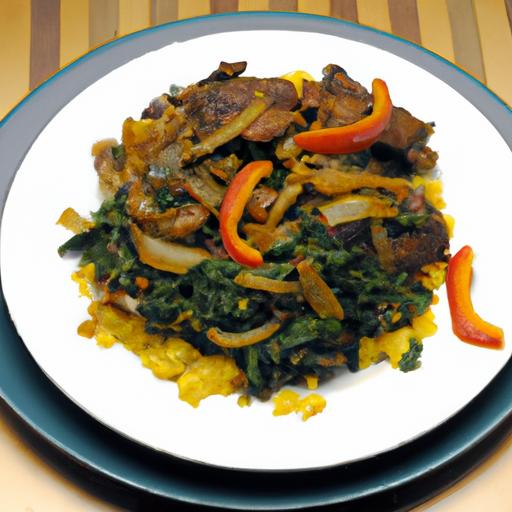
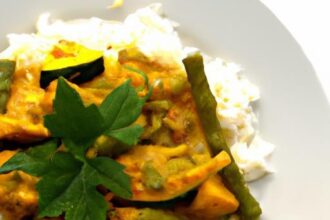
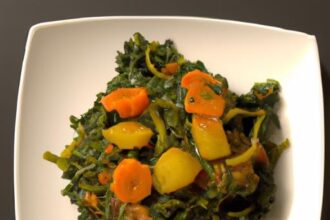
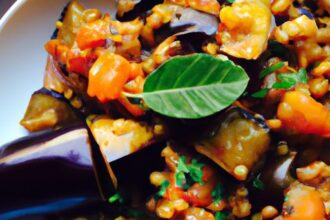
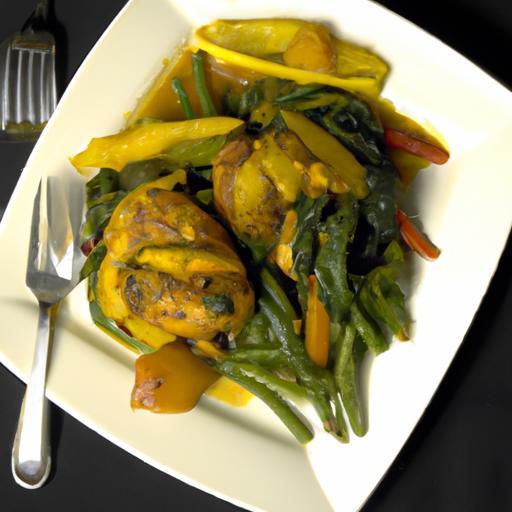
The Flavors of Africa shape a culinary landscape as rich and diverse as the continent itself, and every region contributes to the tapestry that defines the Flavors of Africa through bold spices, vibrant ingredients, and time-honored traditions. From the smoky kitchens of Morocco to the bustling markets of Nigeria, the Flavors of Africa reveal a feast for the senses and a journey through history. For curious foodies and beginners eager to explore new cuisines, the Flavors of Africa open the door to unique dishes, traditional cooking techniques, and cultural stories that bring African kitchens to life. With each recipe, the Flavors of Africa celebrate the heartbeat of the continent through authentic tastes passed down through generations. As you dive deeper into “Flavors of Africa: A Beginner’s Guide to Authentic Cuisine,” you’ll discover how the Flavors of Africa connect people, landscapes, and heritage in a dynamic culinary narrative. Prepare to embark on a delicious adventure where the Flavors of Africa blend tradition, passion, and flavor into an unforgettable journey. Let the Flavors of Africa guide your senses as you explore a world where culture and cuisine intertwine. The Flavors of Africa truly capture the spirit of a continent through every bite.
The Flavors of Africa burst forth vividly in this recipe for Jollof Rice, a beloved West African treasure that embodies the warm, comforting essence of the Flavors of Africa. With its aromatic spices, rich tomato base, and deep cultural roots, Jollof Rice showcases how the Flavors of Africa evolve from simple ingredients into an unforgettable experience. Originating mainly from Nigeria and Ghana, this dish has crossed borders and continues to represent the Flavors of Africa in countless variations. I first tasted this celebrated dish at a family gathering, where its smoky and slightly spicy notes instantly reminded me of the true Flavors of Africa shared in community and celebration. What makes Jollof Rice remarkable is how the Flavors of Africa transform humble staples into a hearty feast that reflects heritage and unity. Each spoonful reinforces the Flavors of Africa, proving that African cuisine thrives on creativity, tradition, and bold taste. Wherever it is served, Jollof Rice remains a shining symbol of the Flavors of Africa and the vibrant culinary identity they represent.
Prep and Cook Time
- Preparation: 15 minutes
- Cooking: 40 minutes
- Total: 55 minutes
yield
Serves 6 generously
Difficulty Level
Medium
Ingredients
- 2 cups long-grain parboiled rice, rinsed and drained
- 4 large ripe tomatoes, blended (or 1 can (400g) tomato puree)
- 1 red bell pepper, blended
- 1 medium onion, finely chopped
- 3 cloves garlic, minced
- 1 tablespoon tomato paste
- 2 teaspoons smoked paprika
- 1 teaspoon cayenne pepper (adjust to taste)
- 2 teaspoons curry powder
- 1 teaspoon dried thyme
- 1/4 cup vegetable oil
- 2 cups chicken stock (or vegetable stock for a vegetarian version)
- 1 bay leaf
- Salt and black pepper to taste
- 1 cup mixed vegetables (carrots, peas, green beans), optional
- Fresh parsley or cilantro, chopped for garnish
Instructions
- Prepare the base: Heat the vegetable oil in a large pot over medium heat. Add the chopped onions and sauté until translucent and fragrant, about 5 minutes. Add minced garlic and cook for another minute.
- Add pureed tomatoes and red bell pepper: Stir in the blended tomatoes, red bell pepper, and tomato paste. Reduce heat to medium-low and let simmer for 15 minutes, stirring occasionally. The mixture should reduce and thicken into a rich, flavorful sauce.
- Season the sauce: Add smoked paprika, cayenne pepper, curry powder, dried thyme, salt, and black pepper. Stir well to incorporate all spices evenly, then add the bay leaf.
- Add rice and stock: Rinse the rice under cold water until water runs clear to remove excess starch. Add rice to the pot and stir to coat grains with the sauce. Pour in chicken stock and bring to a boil.
- Simmer and cook: Lower heat to the minimum, cover the pot tightly, and let the rice cook for approximately 25-30 minutes. Avoid lifting the lid to ensure even cooking. Optionally, add mixed vegetables halfway through cooking for color and texture.
- Rest and fluff: Once the rice is tender and liquid fully absorbed, turn off the heat and let it rest covered for 5 minutes. Remove the bay leaf, then fluff rice gently with a fork.
- Garnish and serve: Transfer to a serving platter and sprinkle fresh parsley or cilantro on top. Serve alongside conventional African sides and beverages for an authentic experience.
Chef’s Notes
- Variation tip: For a smoky twist, try using smoked sausage or add a charred scotch bonnet pepper in the sauce.
- Vegetarian option: use vegetable stock and plenty of mixed vegetables to keep it hearty and vibrant.
- Rice choice: Parboiled rice is ideal for absorbing flavors without turning mushy, but jasmine rice works if you prefer a more delicate texture.
- Make-ahead: this dish can be prepared a day ahead-reheat gently with a splash of water or stock to restore moisture.
- common pitfall: Avoid lifting the lid too often during cooking, as it lets steam escape and can lead to unevenly cooked rice.
Serving Suggestions
Jollof Rice shines when paired with traditional sides like fried plantains or grilled suya (spicy meat skewers). A refreshing cucumber and tomato salad balances the rich, spicy rice perfectly. For beverages, serve with chilled bitter lemon soda or traditional palm wine to embrace the full sensory journey of African flavors.

| nutrient | amount per Serving |
|---|---|
| Calories | 350 kcal |
| Protein | 7 g |
| Carbohydrates | 55 g |
| Fat | 9 g |
Explore more on African cuisine and how spices like curry powder and smoked paprika shape its diverse dishes in our complete African spices and herbs guide.
Q&A
Q&A: Flavors of Africa – A Beginner’s Guide to Authentic Cuisine
Q1: What makes African cuisine unique compared to other world cuisines?
A1: African cuisine is a vibrant tapestry woven from diverse cultures, climates, and histories across a vast continent. Its uniqueness lies in the rich use of native ingredients-like millet, teff, cassava, and unique spices-and the way these elements are combined to create bold, earthy, and layered flavors. From the smoky stews of West Africa to the aromatic tagines of North Africa,African food tells stories of ancient trade routes,indigenous traditions,and communal dining rituals.
Q2: I’ve heard African cuisine is very spicy-is that true?
A2: The answer depends on the region! While many African dishes do feature heat, it’s not all about fiery spice. As an example, Ethiopian food often balances moderate spice with tangy, fermented injera bread. Moroccan cuisine uses warming spices like cinnamon and cumin to create complex but not necessarily hot flavors. West African dishes, though, commonly incorporate fiery chili peppers for that punch.So, there’s somthing for every palate-from mild and fragrant to boldly spicy.
Q3: What are some staple ingredients I should know about when exploring African cooking?
A3: African staples vary widely but here are a few essentials:
- Grains: Teff (Ethiopia), millet, sorghum, and maize are common foundations.
- Tubers: Cassava and yams provide hearty,starchy bases.
- Legumes: Black-eyed peas and cowpeas add protein and texture.
- Spices: Berbere (Ethiopian chili blend), harissa (North African chili paste), and grains of paradise (West African pepper) bring unique flavors.
- Greens: collard greens, “sukuma wiki” (kale), and amaranth leaves are often sautéed or stewed.
Q4: Can you suggest a few beginner-kind African dishes to try at home?
A4: Absolutely! Here are flavorful yet approachable starters:
- Jollof rice (West Africa): A one-pot, tomato-rich spiced rice dish loved across countries like Nigeria and Ghana.
- Tagine (North Africa): Slow-cooked stews with meat or vegetables,infused with fragrant spices,often served with couscous.
- Injera with Doro Wat (Ethiopia): Sour flatbread paired with a spicy chicken stew, perfect for sharing.
- Bunny Chow (South Africa): Hollowed-out bread filled with curry, combining Indian and African influences.
Q5: How can I best experience authentic African cuisine beyond cooking at home?
A5: To truly savor the soul of African food, dive into the cultural traditions behind each dish. Visit African markets or restaurants that focus on regional specialties. Engage with cookbooks and food documentaries that explore stories and rituals around meals.If possible, attend cultural festivals or cooking classes to immerse yourself in the communal joy of eating African style-where food is not just sustenance but celebration.
Q6: Are African desserts as rich and varied as the savory dishes?
A6: Indeed! African desserts frequently enough blend local fruits, nuts, and spices. Think of Malva pudding from South Africa, a sweet and spongy apricot-infused cake, or North Africa’s honey-drenched baklava. West Africa offers delicacies like chin chin-deep-fried dough treats, while tropical fruits like mango, baobab, and hibiscus frequently enough star in lighter, refreshing sweets and beverages.
Q7: Any tips for beginners eager to explore authentic African flavors?
A7: Start with curiosity and respect for the deep traditions behind the dishes. Don’t rush the spices-begin with milder versions and gradually explore bolder flavors. Use fresh ingredients whenever possible,and embrace communal dining styles-African cuisine is about connection as much as taste. Lastly, keep an open mind and let your palate be your guide on this rich culinary adventure!
Embark on this flavorful journey and let the colors, aromas, and stories of African cuisine transform the way you cook and savor food.
key Takeaways
As your culinary journey through Africa’s vibrant flavors comes to a close, remember that this continent’s cuisine is as diverse and dynamic as its landscapes and cultures. Each dish tells a story-of tradition, community, and innovation-inviting you to explore beyond familiar tastes and embrace the rich tapestry of ingredients and techniques that define authentic African cooking. Whether you start by savoring the smoky notes of north African spices or the hearty comfort of West African stews, let this beginner’s guide be your gateway to a world where every bite is an adventure waiting to unfold. So,roll up your sleeves,gather your ingredients,and embark on your own flavorful exploration; the tastes of Africa are ready to inspire your kitchen and your palate alike.