


Flavors of Europe bring together tradition and taste, making Flavors of Europe a celebration of heritage and culture through food. With Flavors of Europe, every dish tells a story, and Flavors of Europe connect generations through authentic recipes. From mountain villages to coastal kitchens, Flavors of Europe inspire travelers as Flavors of Europe highlight the beauty of regional cooking.
Flavors of Europe guide food lovers through timeless recipes as Flavors of Europe showcase rich diversity in every bite. Exploring Flavors of Europe opens the door to lasting traditions, while Flavors of Europe turn simple ingredients into memorable meals. Embracing Flavors of Europe creates culinary harmony, and Flavors of Europe continue to inspire modern kitchens worldwide.
Prep and Cook Time
- Planning: 20 minutes
- Cooking: 25 minutes
- Total Time: 45 minutes
Yield
Serves 4 generous portions
Difficulty Level
Medium – perfect for home cooks eager to explore authentic Mediterranean cuisine with manageable techniques
Ingredients
- 400g dried pasta (preferably rigatoni or spaghetti)
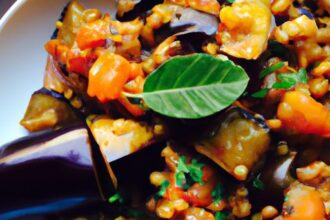
- 2 medium eggplants, cut into 1-inch cubes
- 4 ripe plum tomatoes (or 1 cup canned San Marzano tomatoes)
- 3 cloves garlic, minced
- 1/4 cup extra virgin olive oil, plus more for frying
- 1 tsp sugar
- Salt and freshly ground black pepper, to taste
- 1/2 tsp dried oregano
- Fresh basil leaves for garnish
- 100g ricotta salata, grated (substitute with feta if unavailable)
Instructions
- Begin by salting the cubed eggplants and placing them in a colander for 20 minutes to draw out bitterness, then rinse and pat dry with paper towels.
- In a large skillet, heat 1/4 cup of olive oil over medium-high heat. Fry the eggplant cubes in batches until golden brown and tender, about 6 minutes per batch. Transfer to a plate lined with paper towels to drain excess oil.
- In a separate saucepan, warm 2 tablespoons olive oil over medium heat. Add the minced garlic and sauté gently until fragrant but not browned, about 1 minute.
- Add the chopped plum tomatoes (or canned tomatoes),sugar,oregano,salt,and pepper. Simmer gently, stirring occasionally, for 15 minutes until the sauce thickens and brightens in flavor.
- While the sauce simmers, cook the pasta in salted boiling water according to package instructions until al dente. Reserve 1/2 cup of pasta water before draining.
- Combine the crispy fried eggplant with the tomato sauce. Toss the drained pasta into the sauce mixture, adding reserved pasta water as needed to achieve a glossy coating on the noodles.
- Plate the pasta generously, then finish with a generous grating of ricotta salata and fresh basil leaves for an aromatic touch.
Tips for Success
- Eggplant preparation: Salting helps reduce bitterness and prevents sogginess, which is key for that perfect texture contrast in the dish.
- Tomato sauce: Use ripe, flavorful tomatoes for the freshest taste-San Marzano tomatoes bring an authentic sweetness and acidity.
- Cheese alternatives: Ricotta salata is customary, but for a different nuance, feta or even finely grated Parmesan can add complexity.
- Make ahead: The tomato sauce can be prepared a day in advance and refrigerated to deepen flavors overnight.
Serving suggestions
Serve Pasta alla Norma in wide, shallow bowls to showcase the beautiful medley of eggplant and vibrant tomato sauce. Garnish with extra fresh basil and a drizzle of good-quality extra virgin olive oil to enhance the Mediterranean essence. accompany the plate with a chilled glass of Sicilian white wine such as Inzolia or a crisp vermentino. For added texture,offer toasted rustic bread on the side to soak up every luscious bite.

| Nutrient | Per Serving |
|---|---|
| Calories | 490 kcal |
| Protein | 15 g |
| Carbohydrates | 65 g |
| Fat | 18 g |
For more inspiring Mediterranean recipes, explore our guide on Mediterranean Diet Meal Ideas. To delve deeper into the history of Sicilian cuisine, visit Britannica.
Q&A
Q&A: Flavors of Europe – Exploring Regional Dishes Across Borders
Q1: What makes European regional dishes so unique compared to other cuisines?
A1: Europe’s culinary tapestry is woven from centuries of history, geography, and culture. Unlike homogenous national cuisines, regional dishes frequently enough reflect local ingredients, climate, and traditions. From the smoky paprika of Hungary’s goulash to the creamy seafood stews of France’s Brittany coast, each plate tells a story of place and people, making European food wonderfully diverse and deeply expressive.
Q2: How do regional dishes adapt when crossing European borders?
A2: When dishes cross borders, they don’t simply transplant-they transform. Take, for example, the beloved dumpling. In Italy’s South Tyrol, “Schlutzkrapfen” resemble ravioli filled with spinach and ricotta, while in Poland, pierogi are frequently enough stuffed with potatoes and cheese or sauerkraut. Each adaptation reflects local tastes, available ingredients, and cultural influences, turning a shared idea into a distinct regional experience.
Q3: Can you share examples of European dishes that are popular across multiple countries but with regional twists?
A3: Certainly! Consider the humble stew: the French have their hearty “Boeuf bourguignon,” slow-cooked in red wine, while Hungary’s “Goulash” uses a paprika-spiced broth. Both comfort food staples, yet each carries the soul of its land. Or look at sausage specialties-German bratwurst, Spanish chorizo, and Polish kielbasa all celebrate seasoned meats but vary substantially in flavor profiles and preparation styles.
Q4: How have historical events influenced European regional cuisines?
A4: History runs through every bite. The spice trade enriched Mediterranean kitchens, while the austro-Hungarian empire blended Central european flavors. Wars and migrations introduced new ingredients and cooking techniques-potatoes from the Americas revolutionized Eastern European diets, and Ottoman influences brought rich spices and slow-cooked meats to the Balkans. These historical currents continuously stir and reshape regional flavors.
Q5: What role do local ingredients play in defining regional European dishes?
A5: Local ingredients are the heartbeat of regional cuisine. The chalky soils of Champagne give rise to the region’s sparkling wines, which pair perfectly with the buttery croissants of northern France. Coastal regions turn to the sea-Portugal’s grilled sardines burst with Atlantic freshness, while Norway’s salmon is a cold-water delicacy. Mountains offer game and hardy vegetables; plains gift grains and dairy-each ingredient carrying terroir’s imprint.
Q6: How can travelers best experience authentic regional dishes while exploring Europe?
A6: to savor authenticity, seek out family-run eateries, local markets, and seasonal festivals that celebrate traditional foods. Chat with locals, embrace street food, and venture beyond tourist hubs. Often,the most enduring flavors hide in little villages or bustling neighborhood corners.And remember: food is a gateway to culture-tasting regional dishes is tasting the history, landscape, and heart of Europe itself.
Q7: are ther any surprising cross-border regional pairings or similarities in European cuisine?
A7: Absolutely! For example, the Mediterranean diet ties southern Europe in a flavorful network-olive oil, tomatoes, garlic, and herbs float through Italian, Greek, and Spanish dishes with subtle local variations. Another sweet surprise is Eastern Europe’s love for pastries-croatia’s “Kremšnita” and Austria’s “Sachertorte” both pamper palates with layers of cream and chocolate, showcasing how borders blur in the pursuit of deliciousness.
Discovering Europe’s regional dishes is more than a culinary quest-it’s a journey through time, culture, and shared human experience. Each flavor invites you not only to taste but to understand the stories that bring Europe’s borders to life on your plate.
Key Takeaways
As we close this flavorful journey across Europe’s diverse culinary landscapes, it becomes clear that each dish is more than just a recipe-it’s a story, a tradition, and a reflection of its people. From the aromatic spices of the Mediterranean to the hearty comforts of Northern Europe, these regional specialties invite us to taste history and culture in every bite. So next time you embark on a European adventure, let your palate guide you beyond borders, discovering the rich tapestry of flavors that connect a continent through its food.After all, in Europe, every dish is a delicious passport to a new experience.