Beneath the glossy sheen of a perfectly seared slice lies a culinary tradition steeped in centuries of artistry and controversy: foie gras. This delicacy, often described as the epitome of indulgence, carries with it a story as rich and complex as its buttery texture. From ancient practices to modern gourmet tables, the journey of foie gras reveals a delicate balance between craftsmanship, culture, and ethical debate. In exploring the art and history behind foie gras enjoyment, we peel back layers of flavor and folklore to understand why this exquisite dish continues to captivate palates and provoke passion across the globe.
The Delicate Art and History Behind Foie Gras Enjoyment
The delicate art and history behind foie gras enjoyment begin centuries ago, rooted deeply in tradition and culinary innovation. Revered as one of the world’s most luxurious ingredients, foie gras captivates food enthusiasts through its rich, buttery texture and complex flavor profile that evolves with every bite. This timeless delicacy has witnessed a fascinating journey from ancient practices to modern-day gastronomic masterpieces, inspiring chefs and home cooks alike to master its preparation and savor it alongside complementary flavors.
Origins and Evolution: Tracing the culinary Roots of Foie Gras
The tradition of preparing fatty duck or goose liver dates back over 4,500 years to Ancient Egypt, where early farmers discovered the unique flavor unlocked by gentle force-feeding techniques. Today’s foie gras is synonymous with French haute cuisine, but its evolution tells a story of artful craftsmanship and cultural exchange. From rustic homes to ornate palaces, each era refined the methods-balancing ethics, technique, and taste. This awareness makes the delicate art and history behind foie gras enjoyment not only fascinating but a tribute to culinary heritage.
prep and Cook Time
- Preparation: 15 minutes
- Cooking: 20 minutes
- Total: 35 minutes
Yield
Serves 4 elegantly as an appetizer
Difficulty Level
Medium – requires attention to detail but accessible for committed home cooks
Ingredients
- 500g fresh foie gras (duck liver, deveined and chilled)
- 1 tsp salt
- ½ tsp white pepper
- 1 tbsp armagnac or Cognac
- 1 tsp sugar
- 2 tbsp heavy cream
- Butter for searing
- Fresh herbs (such as thyme or chives) for garnish
- Optional: Fleur de sel for finishing
Instructions
- Prepare the Foie Gras: Ensure your foie gras is cold but not frozen.Using a sharp knife, gently slice it into approximately 1-inch thick medallions. Handle with care to preserve the delicate texture.
- Season: Sprinkle both sides evenly with salt, white pepper, and sugar. drizzle Armagnac over the slices to enhance the natural richness. Let it rest in the refrigerator for 15 minutes to absorb these flavors.
- Preheat Your Pan: Heat a heavy skillet over medium-high heat. Add a small knob of butter and let it melt without browning.
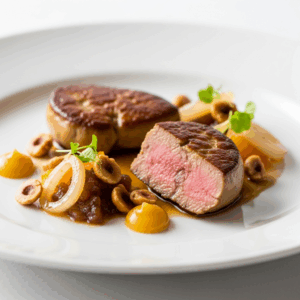
- Sear the Foie Gras: Place the foie gras slices gently in the hot pan.Sear until golden brown, about 1-2 minutes per side. Watch carefully as foie gras cooks quickly and releases fat – tilt the pan occasionally to spoon the rendered fat over the liver.
- Rest and Finish: remove the slices to a warm plate and add a teaspoon of heavy cream to the skillet, swirling to create a velvety pan jus. Spoon this luscious sauce over the foie gras.
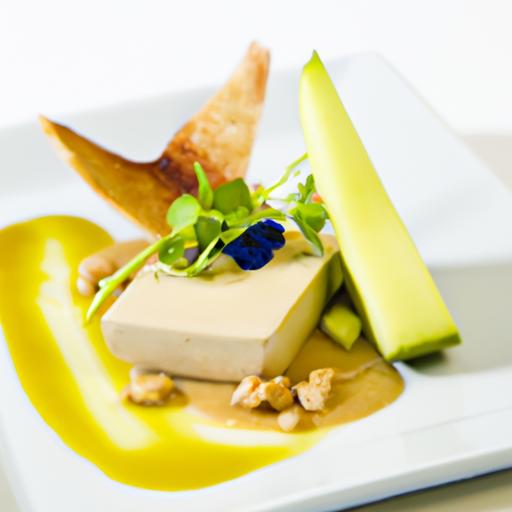
- Garnish and Serve: Top with finely chopped herbs and a light sprinkle of fleur de sel for contrast. serve promptly, paired with crisp toasted brioche or seasonal fruit compotes.
tips for Success
- Deveining is key: Carefully remove visible veins from the liver to avoid bitterness and ensure silky smooth texture.
- Temperature Control: never cook foie gras over high heat – moderate temperature preserves its custardy interior.
- Make Ahead: You can prepare and season foie gras up to 24 hours in advance, allowing flavors to deepen. Store airtight in the refrigerator.
- Choice Pairings: Experiment with sweet accents such as fig jam, honey drizzle, or tart apple slices to enhance the savoriness.
- Ethical Sourcing: Consider reliable vendors committed to humane practices reflecting the modern approach to foie gras enjoyment.
Savoring Foie Gras with Complementary Flavors and Pairings
Foie gras demands thoughtful accompaniments to unlock its full potential. The delicate art and history behind foie gras enjoyment also celebrate contrasts-pair the rich liver with crisp acidity like a Sauternes or a late-harvest Riesling. Textural balance comes from crunchy toasted nuts or crusty breads, while gentle sweetness from caramelized onions or fruit compotes highlights its complex aroma.
| Nutritional Information (per serving) | Calories | Protein | Carbs | Fat |
|---|---|---|---|---|
| Foie Gras Medallions | 450 | 7g | 2g | 45g |
| With Brioche Toast | 610 | 10g | 20g | 48g |
For a deeper dive into luxury ingredients guide and to explore more decadent textures, visit our extensive resources. For insights into the ethical sourcing and controversies surrounding foie gras, the National Geographic’s article provides an authoritative perspective.

Q&A
Q&A: the Delicate art and History Behind Foie Gras Enjoyment
Q1: What exactly is foie gras, and why has it captivated food lovers for centuries?
A1: Foie gras, French for “fat liver,” is a delicacy made from the specially fattened livers of ducks or geese. Its allure lies not only in its rich, buttery texture and complex flavor but also in its timeless role as a symbol of culinary luxury. From the Egyptians, who first discovered the technique of fatty liver production over 3,000 years ago, to French gourmets perfecting recipes in chateaus, foie gras embodies centuries of gastronomic artistry.
Q2: How did the tradition of making foie gras begin?
A2: The roots of foie gras date back to ancient Egypt, where farmers noticed that ducks naturally overeat during migration preparations, resulting in enlarged livers. They harnessed this natural phenomenon by intentionally feeding these birds extra corn. The custom traveled through Greece and Rome before becoming embedded in French culture, where it evolved into an exquisite culinary craft celebrated worldwide.
Q3: What makes foie gras’s texture and flavor so unique compared to othre delicacies?
A3: Foie gras is prized for its luxurious melt-in-the-mouth texture,a result of its high fat content and precise preparation. The flavor is subtle yet unmistakably rich, with creamy, nutty undertones and a delicate sweetness that balances savory depth.This sensory harmony is why foie gras often serves as the spotlight of gourmet dishes, enhancing everything from crispy toast points to elegant sauces.
Q4: Is ther an art to enjoying foie gras?
A4: Absolutely. Enjoying foie gras is akin to savoring a fine piece of music or a timeless painting. Experts recommend tasting it at room temperature to best appreciate its velvety mouthfeel and intricate flavors. Pairings are an art form in themselves-think lightly toasted brioche, fruity jams, or a crisp Sauternes wine to elevate the experience without overwhelming it.
Q5: How is foie gras produced, and why is its production sometimes controversial?
A5: traditional foie gras production involves a process called “gavage,” where ducks or geese are fed a high-starch diet via a feeding tube over several weeks to enlarge their livers.This method, while rooted in history, has sparked ethical debates regarding animal welfare. as a result, producers and consumers alike are exploring alternative, more humane methods to preserve the delicacy’s heritage while addressing modern concerns.
Q6: Can foie gras be enjoyed in modern cuisine beyond traditional French dishes?
A6: Without a doubt. Chefs worldwide have embraced foie gras as a versatile ingredient, incorporating it into innovative creations-from sushi rolls and gourmet burgers to delicate pâtés and smooth terrines. Its rich flavor complements both sweet and savory profiles, giving imaginative cooks a luxurious canvas for culinary expression.
Q7: What advice would you give to someone trying foie gras for the first time?
A7: Approach foie gras with an open mind and a sense of discovery.Start with a small portion served simply-perhaps lightly seared with a touch of sea salt on toasted bread.Take your time to let it linger on your palate, noting the layers of texture and flavor. Pair it with a slightly sweet wine or sparkling water to cleanse the palate and fully appreciate this extraordinary delicacy’s story and taste.
Foie gras is more than just food-it’s a window into history, craftsmanship, and the pursuit of culinary perfection. By understanding its origins and savoring it thoughtfully, one can truly appreciate the delicate art behind every bite.
Wrapping Up
In the intricate tapestry of culinary traditions, foie gras stands as both a symbol of refined taste and a subject of ethical contemplation. Its rich history, woven through centuries of culture and technique, invites us to appreciate not just the luxurious flavor, but the delicate art that brings it to the table. As we savor this storied delicacy, we are reminded that every bite carries with it a legacy-one that calls for mindful enjoyment and respect for the craftsmanship behind it. Whether you are a seasoned connoisseur or a curious newcomer, the journey through foie gras is as much about honoring its past as it is about experiencing its unique place in the world of gastronomy.