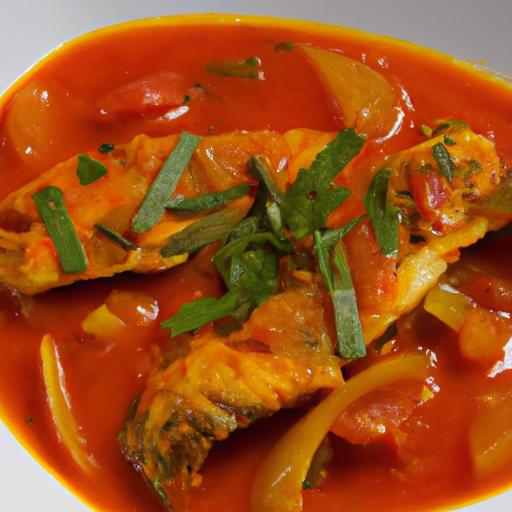
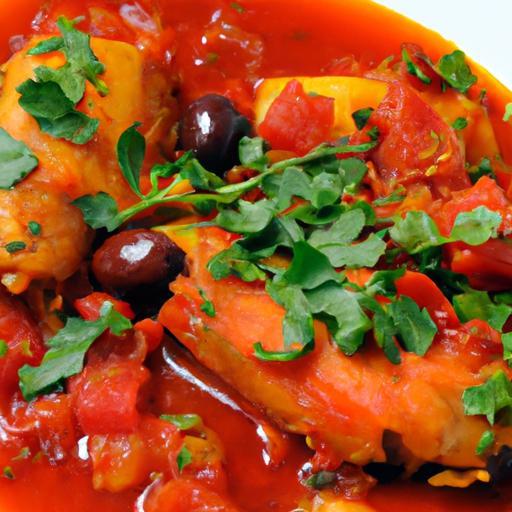
In the heart of West Africa, where culinary traditions pulse with vibrant colors and bold flavors, lies a dish that captures the essence of Guinean culture: Fotot. At first glance,it’s a humble stew-a generous catch of fresh fish simmered slowly in fragrant,fiery palm oil.but fotot is much more than a meal; it is a celebration of heritage, a sensory journey that tells stories of coastal villages, bustling markets, and family gatherings around the hearth. This article invites you too savor the rich tapestry of Guinean fotot, exploring its origins, ingredients, and the soulful technique that transforms simple fish into a luscious, oil-kissed masterpiece. Join us as we dive into a dish where every simmered bite offers a taste of Guinea’s vibrant spirit.
Savoring Guinean Fotot: Fish Simmered in Rich Palm Oil is a journey into the heart of West African home cooking. This vibrant, aromatic dish transports you to the coastal kitchens of Guinea, where fresh fish meets luscious, fiery palm oil infused with fragrant herbs and spices. the magic lies in slow-simmering the fish until it absorbs the deep, earthy flavors-resulting in a tender, richly colored stew that’s both comforting and bold. Whether you’re new to African cuisine or a seasoned food lover, this recipe invites you to explore an authentic taste experience that resonates with tradition and warmth.
Prep and cook Time
- Preparation: 20 minutes
- cooking: 40 minutes
- Total Time: 1 hour
Yield
Serves 4 hearty portions
Difficulty Level
Medium: Requires some familiarity with simmering techniques and balancing bold flavors.
Essential Ingredients That Bring Guinean Fotot to Life
- 2 lbs fresh firm white fish (such as snapper or grouper), cut into large chunks
- 1 cup red palm oil, vibrant and unrefined for authentic richness
- 3 medium tomatoes, finely chopped
- 2 medium onions, thinly sliced
- 3 garlic cloves, minced
- 1-inch piece fresh ginger, grated
- 2 Scotch bonnet peppers, finely chopped (adjust to heat preference)
- 1 tbsp tomato paste for concentrated depth
- 1 tsp smoked paprika for subtle smokiness
- 1 tsp ground coriander
- 1 tsp dried thyme or fresh if available
- 2 cups water or fish stock to create a flavorful simmering base
- Salt and freshly ground black pepper to taste
- 1 bunch fresh parsley or basil, chopped for garnish
Step-by-Step Instructions: The Art of Simmering Fish in Rich Palm Oil
- Prepare the fish: Rinse and pat dry the fish chunks. Season lightly with salt and pepper. Set aside.
- Heat the palm oil: In a large, heavy-bottomed pot over medium heat, warm the red palm oil until shimmering but not smoking.The oil’s color should glow like molten amber.
- sauté aromatics: Add sliced onions to the oil and cook until translucent and sweetly fragrant, about 5 minutes. Stir frequently enough to prevent burning.
- Add garlic, ginger, and peppers: Toss in the minced garlic, grated ginger, and chopped Scotch bonnets. Sauté 2-3 minutes until aromatic; be mindful of pepper intensity.
- Incorporate tomatoes and tomato paste: Stir in the chopped tomatoes and tomato paste. Cook the mixture gently until the tomatoes break down and the sauce thickens, about 10 minutes.
- Spice it up: Sprinkle in smoked paprika, ground coriander, and thyme. Stir well to marry the flavors.
- Simmer the base: Pour in water or fish stock,bring to a gentle simmer,and adjust salt and pepper. Let it meld for 10 minutes over low heat.
- Add the fish: Carefully nestle the fish pieces into the simmering sauce.Cover partially and cook until the fish is opaque and tender but not falling apart, about 15 minutes.
- Final touches: Taste and adjust seasoning. Sprinkle freshly chopped parsley or basil just before serving for a herbaceous brightness.
Tips for Perfecting Your Own Guinean Fotot at Home
- Fish choice matters: Opt for firm white fish that won’t disintegrate during simmering, such as snapper, grouper, or cod.
- Mastering red palm oil: Use unrefined, high-quality palm oil for the best color and flavor. Avoid over-heating to preserve its delicate aromas.
- Adjust the heat: Scotch bonnet peppers bring authentic heat-reduce or remove seeds for a milder dish.
- Make ahead: Fotot tastes even better after resting. Prepare a day in advance and gently reheat.
- Trial spice balance: Always taste the sauce before adding fish. You can intensify spice or sweetness by adding a splash of stock or a pinch of sugar.
- For a vegetarian twist: Substitute firm tofu or eggplant chunks for fish, cooking gently to retain texture.
Serving Suggestions
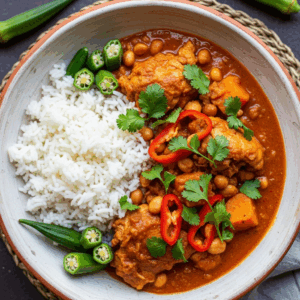
This dish pairs beautifully with steamed millet or fluffy jasmine rice-perfect to soak up the rich, spiced palm oil sauce. For an added layer of texture,serve alongside fried plantains or a crisp salad of cucumber and red onion dressed with lime juice. Garnish generously with fresh herbs and a wedge of lime to brighten the warmth of the dish.

| Nutrient | Per Serving |
|---|---|
| Calories | 480 kcal |
| Protein | 38 g |
| Carbohydrates | 8 g |
| Fat | 32 g |
For deeper culinary insights and to explore other West African specialties, visit the Encyclopaedia Britannica on West African cuisine.
Q&A
Savoring Guinean Fotot: Fish Simmered in Rich Palm Oil – Q&A
Q1: What exactly is Guinean Fotot?
A1: Guinean Fotot is a beloved customary dish from Guinea, West Africa, featuring fresh fish gently simmered in a luscious, aromatic sauce made primarily from rich red palm oil. it’s a dish that embodies the vibrant flavors and culinary heritage of the region, celebrated for its deep, smoky, and slightly sweet profile.
Q2: Why is palm oil so central to Fotot?
A2: Palm oil is the heart and soul of Fotot. Harvested from the fruit of the oil palm tree, this oil lends the dish its signature deep red color and a uniquely silky texture. Beyond taste, palm oil carries cultural importance in West African cooking, symbolizing richness and warmth. When heated, its earthy aroma infuses the fish, transforming simple ingredients into a sumptuous feast.
Q3: What kind of fish is typically used in Fotot?
A3: Traditionally,fresh river fish such as tilapia,catfish,or local varieties are preferred for Fotot. Their firm flesh holds up well during slow simmering, absorbing the flavors of the palm oil sauce without falling apart. Freshness is key-because the fish is the star, every bite should echo the essence of a well-tended Guinean river.
Q4: How is Fotot prepared?
A4: Preparation begins with searing the fish to lock in its juices. Separately, palm oil is gently heated with an aromatic medley-think garlic, onions, chili peppers, and sometimes a hint of smoked pepper or ginger. The fish is than simmered in this fragrant oil, often alongside tomatoes and leafy greens, allowing the flavors to meld into a rich, hearty stew perfect over rice or fufu.
Q5: What makes Fotot unique among West African fish dishes?
A5: While many West African cuisines celebrate fish, Fotot’s hallmark is the generous use of pure palm oil, unadulterated and deeply flavorful. This elevates the dish beyond a simple stew to a sensory journey, where the oil’s texture, color, and aroma dance harmoniously with the fish.It’s a dish that feels both rustic and regal-a true culinary gem of Guinea.
Q6: Can fotot be enjoyed outside Guinea?
A6: Absolutely! With the growing availability of palm oil in international markets and accessible fresh or frozen fish, home cooks worldwide can recreate Fotot’s magic. It’s a dish that invites experimentation but rewards patience and gratitude for authentic flavors. Pair it with steamed rice or traditional staples, and you’re savoring a slice of Guinean culture anywhere on the globe.
Q7: Any tips for someone trying Fotot for the first time?
A7: Embrace the boldness of palm oil-it’s unlike any other cooking oil and is the key to authenticity. Use fresh ingredients, don’t rush the simmering process, and balance the heat with fresh herbs or cooling side dishes. Moast importantly, share the experience: Fotot is meant to be savored slowly and in good company, a celebration of flavor and tradition.
Insights and Conclusions
As the warm, fragrant flavors of Guinean Fotot linger on the palate, one can truly appreciate how this humble fish stew embodies the heart and heritage of West African coastal cuisine. The rich palm oil, infused with aromatic spices and tender fish, invites not just a meal, but a celebration of culture, tradition, and community. Whether shared around a bustling market table or savored in quiet reflection, Fotot offers more than sustenance-it tells a story of land, sea, and the timeless rhythms of Guinean life.So next time you seek a dish that wraps you in history and heat, let Fotot be your flavorful guide to a world where every simmered bite is a journey.