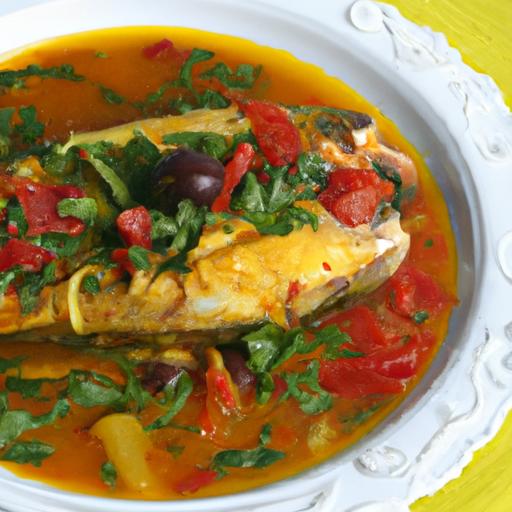
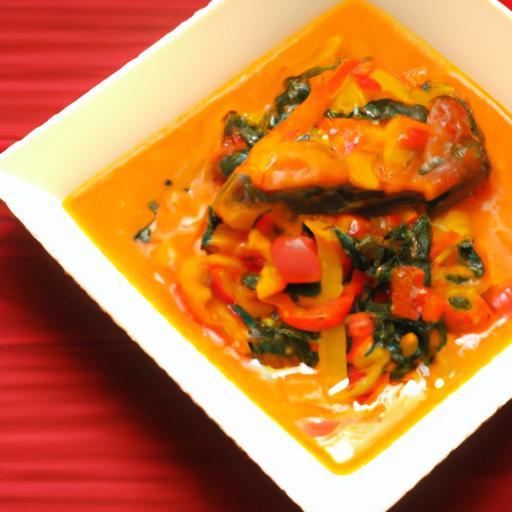
Nestled along the sun-drenched coasts of West Africa lies a culinary treasure steeped in tradition and vibrant flavors-Guinean Fotot.This iconic fish dish, lovingly bathed in rich, aromatic palm oil, offers more than just a meal; it is indeed a sensory voyage into Guinea’s cultural heart.With each bite, the tender fish reveals layers of history, community, and the lush bounty of the land and sea. In this article, we dive deep into the essence of Fotot, exploring how this simple yet sumptuous dish captures the spirit of Guinean heritage, inviting food lovers everywhere to savor the colorful, soulful flair of palm oil-infused delight.
Savoring Guinean Fotot: fish Steeped in Rich Palm Oil Flair
Savoring Guinean Fotot is an invitation to discover a dish where fresh fish and fragrant palm oil unite in a vibrant party of West African culinary heritage. This iconic stew, deeply rooted in Guinean culture, merges the simplicity of ocean-fresh fish with the bold, earthy notes of red palm oil to create an unforgettable flavor experience. Each bite tastes of tradition, community, and the heartfelt stories passed down through generations.
Prep and Cook Time
- Preparation: 20 minutes
- Cooking: 45 minutes
- Total: 65 minutes
Yield
Serves 4 generous portions
Difficulty Level
Medium – Perfect for those looking to deepen their cultural food repertoire while mastering layering of authentic flavors
Ingredients
- 2 lbs fresh whole fish (tilapia or snapper, cleaned and scaled)
- 1 cup red palm oil (authentic and unrefined for robust flavor)
- 2 large onions, thinly sliced
- 4 garlic cloves, minced
- 1-inch piece of ginger, grated
- 3 medium ripe tomatoes, finely chopped
- 1 tablespoon tomato paste
- 2 Scotch bonnet peppers, deseeded and chopped (adjust to taste)
- 1 tablespoon smoked paprika
- 1 teaspoon freshly ground black pepper
- 2 teaspoons sea salt
- 2 cups water or light fish stock
- Fresh parsley or cilantro for garnish
Instructions
- Mastering the fresh fish preparation: Rinse the fish under cold water, pat dry with paper towels, then gently score the flesh on both sides to allow the palm oil and spices to deeply penetrate.
- Heat the red palm oil in a deep, heavy skillet over medium heat until it shimmers with a vibrant reddish hue-this signals it’s ready to infuse your dish with its signature richness.
- Add the onions, garlic, and ginger, sautéing gently until softened and fragrant, about 5-7 minutes, stirring regularly to avoid browning.
- Stir in the tomato paste and chopped tomatoes, cooking until the mixture thickens into a luscious sauce, roughly 10 minutes.
- Blend in the Scotch bonnet peppers, smoked paprika, black pepper, and salt, allowing the spices to awaken in the palm oil’s warmth for about 2 minutes.
- Pour in the water or fish stock,stirring to combine,then gently nestle the prepared fish into the sauce.
- Cover and simmer on low heat for 25-30 minutes, spooning the sauce over the fish occasionally to ensure even cooking and flavor infusion. Avoid stirring vigorously to keep the fish intact.
- Once the fish is tender and infused with the palm oil’s earthy richness, remove from heat. Garnish with fresh parsley or cilantro for a burst of brightness and color.
- Serve immediately to enjoy the dish at its flavorful best.
Chef’s Notes: Tips for Success
- Freshness counts: Selecting your fish at the source makes all the difference-look for clear eyes and firm flesh for ideal texture and taste.
- Palm oil authenticity: Avoid substitutes; true Guinean photot flavor comes from unrefined red palm oil, which adds depth and earthy aroma.
- Spice control: Adjust the Scotch bonnet quantity to your heat preference-removing seeds tempers the spiciness without compromising flavor.
- Make-ahead option: The stew tastes even richer the next day as the flavors meld; reheat gently over low heat to preserve the fish’s tenderness.
- for visual appeal: Serve with a sprig of fresh herbs and a drizzle of extra palm oil just before plating.
Serving Suggestions
This fotot pairs beautifully with traditional West African staples that invite you to savor every bite:
- Fufu: A smooth cassava or yam dough that catches the rich sauce perfectly.
- Steamed white rice: Its neutrality balances the boldness of the palm oil stew.
- Attiéké: A fragrant fermented cassava couscous with subtle tanginess.
- Beverage pairing: Complement the dish with a chilled hibiscus tea (bissap) or a refreshing ginger drink to cool the palate after the heat.
| Nutrient | Per Serving |
|---|---|
| Calories | 360 kcal |
| Protein | 42 g |
| Carbohydrates | 5 g |
| Fat | 20 g |

Explore more about this rich African cuisine by visiting our guide to West African stews, and deepen your thankfulness for authentic flavors. For an authoritative background on palm oil’s cultural significance, check the detailed insights at FAO Palm Oil Resource.
Q&A
Q&A: Savoring Guinean Fotot: Fish Steeped in Rich Palm Oil Flair
Q1: What exactly is Guinean fotot?
A1: Guinean Fotot is a traditional dish hailing from Guinea,West Africa,featuring fresh fish slowly cooked in a luscious,aromatic palm oil sauce. The dish showcases the region’s vibrant culinary heritage by blending local spices, herbs, and the unmistakable richness of red palm oil, creating a symphony of flavors that capture the soul of Guinean cuisine.
Q2: Why is palm oil such a crucial ingredient in Fotot?
A2: Palm oil is more than just a cooking fat in Guinean Fotot-it’s the heart and soul.This deep red oil imparts a smoky, nutty flavor and a velvety texture that elevates the fish, making every bite rich and satisfying. Beyond taste, palm oil carries cultural significance as a staple in West African cooking, linking generations through its distinctive aroma and color.
Q3: What types of fish are traditionally used in Fotot?
A3: Typically, freshwater fish like tilapia or catfish are favored, given their availability and firm texture that holds up beautifully during the slow simmer in palm oil. Though, coastal variants might incorporate saltwater fish like snapper or grouper, adding a briny depth to the dish.
Q4: How is Fotot prepared, and what makes its cooking method special?
A4: Preparation begins with marinating the fish in a blend of garlic, ginger, chili peppers, and local spices. The magic unfolds when the fish is gently stewed in red palm oil infused with onions, tomatoes, and aromatics, allowing the flavors to meld over low heat. This slow, deliberate cooking coax’s out a succulence and richness that fast methods simply can’t replicate.
Q5: Can Fotot be paired with other dishes or sides?
A5: Absolutely! Fotot’s bold flavors perfectly complement plain rice, fufu (a soft dough made from cassava or plantain), or steamed vegetables. The starchy, mild accompaniments balance the oiliness and spice, creating a harmonious meal that feels both comforting and indulgent.
Q6: How does Fotot reflect Guinean culture and heritage?
A6: Fotot embodies Guinean hospitality and the resourceful use of local ingredients. It’s a dish often shared during communal gatherings,celebrations,and family meals,symbolizing togetherness and the rich agricultural bounty of the region. Each spice and drop of palm oil tells a story rooted in generations of culinary tradition.
Q7: Is it possible to recreate Guinean Fotot outside West Africa?
A7: Definitely! While authentic red palm oil may require a special import or trip to an African market, the rest of the ingredients are generally accessible worldwide. With a bit of patience and love, home cooks can transport themselves to Guinea’s shores by simmering fish in this vibrant, flavorful sauce, savoring an authentic taste of Africa from their own kitchen.
Q8: What flavors should one expect when tasting Fotot for the frist time?
A8: Expect a complex medley-first, the deep, earthy richness of the palm oil, then the gentle heat of chili, the brightness of tomatoes, and subtle hints of garlic and ginger. The fish itself remains succulent and tender, acting as the perfect vessel for the intense, warm sauce. It’s a culinary experience that is at once bold, comforting, and unforgettable.
Final Thoughts
As the final notes of Guinean Fotot’s rich palm oil essence linger on the palate, we come to appreciate not just a dish, but a vibrant tapestry of culture, history, and flavor. This humble fish stew, steeped in tradition and bursting with the warmth of West African culinary heritage, invites us to savor more than a meal-it beckons us to experience a story told through every fragrant bite. Whether you’re a seasoned gourmand or a curious foodie,embracing Fotot offers a flavorful gateway into Guinea’s soul,reminding us that sometiems,the richest flavors are those steeped in culture and crafted with care. So next time you seek a dish that’s both comforting and captivating, let Guinean Fotot be your flavorful guide.