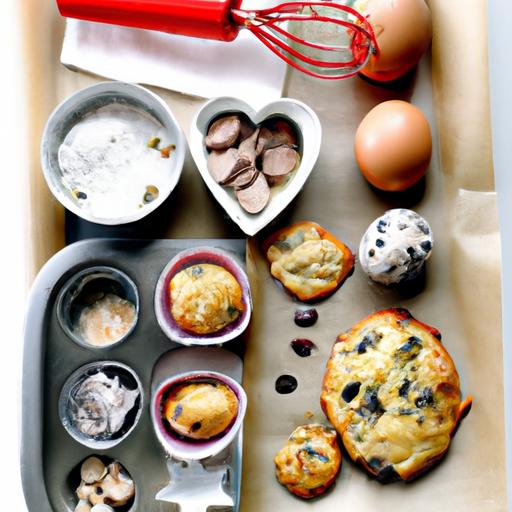
French Baking is built on precision, and French Baking depends heavily on the right Baking Supplies to achieve authentic results. In French Baking, professional Baking Supplies shape texture, structure, and flavor, making French Baking both an art and a science. From molds to scales, French Baking thrives when Baking Supplies are chosen with care. Every stage of French Baking relies on Baking Supplies that support consistency, accuracy, and craftsmanship, proving that French Baking excellence begins with premium Baking Supplies.
French Baking mastery grows when bakers understand how Baking Supplies influence every recipe. Using proper Baking Supplies allows French Baking techniques to shine, whether preparing laminated doughs or classic creams. French Baking traditions emphasize that Baking Supplies are not optional but essential, ensuring French Baking success in both home and professional kitchens. By investing in the right Baking Supplies, French Baking becomes accessible, reliable, and endlessly rewarding.
Prep and Cook Time
- Preparation Time: 30 minutes
- Chilling/Resting Time: 1-2 hours
- Cooking/Baking Time: 20-30 minutes (varies by pastry)
Yield
Yields enough dough for approximately 12 medium-sized pastries
Difficulty Level
Medium – Requires precision and patience,but very rewarding with practice
Choosing the Right Flour to Achieve Authentic French Pastry Texture
The foundation of any exquisite French pastry is the flour you choose. Opt for soft pastry flour or T55 French flour, prized for its balanced protein content that yields tender yet sturdy dough. This flour strikes the perfect harmony between elasticity and delicacy-ideal for croissants, tarts, and puff pastries. Using a high-protein bread flour will create a denser, chewier texture, while all-purpose flour might not deliver that quintessential melt-in-your-mouth feel.
Always sift your flour to incorporate air and remove lumps, helping achieve a clean, even dough. Combining flours-like mixing T55 with a small portion of cake flour-further refines texture for ultra-light results.
Must-Have tools for Precision and Elegance in french Baking
Mastering these recipes requires the right toolkit. High-quality pastry cutters or dough scrapers aid in cleanly folding and shaping your dough, while a rolling pin with adjustable rings ensures the perfect thickness every time. A digital kitchen scale is indispensable for accuracy, as French pastries rely on precise ratios.
Don’t underestimate a cooling rack for letting your pastries breathe after baking-this keeps crusts delightfully crisp. Additionally, investing in non-stick silicone mats preserves delicate layers while offering even heat distribution.
the Art of Selecting Quality Butter and Dairy for Rich Flavors
indulgence begins with butter. Traditional French pastries frequently enough call for European-style butter, boasting a higher fat content (around 82-85%) and less water than standard butter. This yields richer flavor and flakier,more tender layers. Look for unsalted varieties to control salt levels precisely.
Fresh, full-fat dairy such as crème fraîche or whole milk elevates flavor complexity and enhances moisture without weighing down the dough. Cold ingredients are crucial to preserve gluten structure and prevent your dough from becoming greasy or overworked.
Essential Accessories for Perfecting Classic French Pastry Techniques
beyond ingredients, several accessories elevate your craft. An offset spatula offers precise spreading of fillings or glazes without damaging fragile dough. A fine sieve or sifter ensures even dustings of flour or powdered sugar, adding a professional touch. For lamination, a pastry brush helps apply egg washes evenly, lending golden sheen and attractive finish.
Lastly, patisserie-grade thermometers keep butter and dough within optimal temperature ranges-a subtle control that transforms good pastries into unforgettable masterpieces.
Ingredients for Classic French Pastry dough
- 2 ½ cups T55 French flour,sifted
- 1 teaspoon fine sea salt
- 2 tablespoons granulated sugar (optional,for sweet doughs)
- 1 cup unsalted European-style butter,cold and cubed
- ¾ cup whole milk,chilled
- 1 tablespoon fresh yeast or 2 teaspoons active dry yeast (for laminated doughs)
Instructions
- Prepare your workspace: Chill your mixing bowl and tools lightly in the refrigerator. Keep all ingredients cold to maintain dough integrity.
- Mix dry ingredients: In a large bowl, whisk together the sifted flour, sea salt, and sugar. Use a spoon to evenly distribute the salt and sugar within the flour.
- incorporate butter: Add the cold butter cubes. Use a pastry cutter or your fingertips to gently work the butter into the flour until the mixture resembles coarse crumbs with some pea-sized pieces remaining. Avoid warming the butter.
- Activate yeast and combine: Warm milk just slightly (not above 95°F/35°C), stir in yeast until dissolved. pour into the flour-butter mixture and gently fold together with a spatula until a shaggy dough forms.
- Rest and chill: Shape dough into a disc, wrap tightly in plastic, and refrigerate for at least 1 hour.This chilling allows gluten to relax and butter to firm-key for flakiness.
- Laminate (if making croissants or puff): Roll out chilled dough into a rectangle. layer with extra butter slabs and perform series of folds and turns (commonly 3 turns) while chilling between each to build delicate layers.
- Shape and bake: Once laminated, cut and shape the dough as desired. Proof in a warm,humid environment until doubled in size,then brush with egg wash and bake at 375°F (190°C) for 20-30 minutes or until golden brown and crisp.
Tips for Success
- Temperature control: Keep ingredients and dough cold, especially butter, to prevent smearing and achieve the signature flaky layers.
- Patience with resting: Rest the dough adequately to relax gluten and hydrate flour fully. This results in tender, easy-to-roll dough.
- Use a bench scraper: Helps in folding and cutting dough cleanly, avoiding over-handling.
- Substitutions: If T55 flour is unavailable, blend all-purpose flour with a small portion of cake flour for similar texture.
- Make-ahead: Dough can be refrigerated up to 24 hours or frozen for a month.Thaw slowly in the fridge before use.
Serving Suggestions
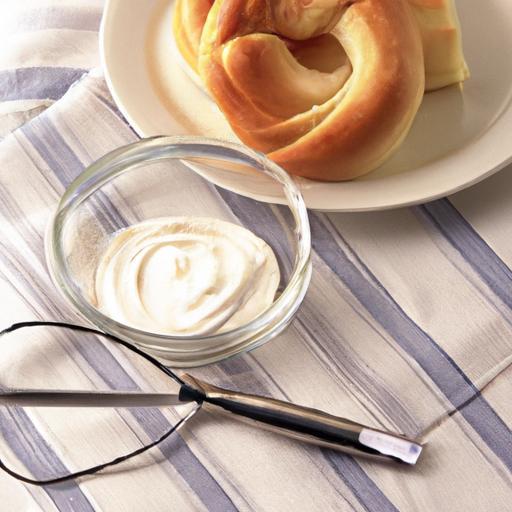
Present your perfected pastries on a beautiful wooden board or a classic porcelain plate. Lightly dust with powdered sugar or delicate glacé icing for an elegant finish. Pair with a fresh berry compote, a dollop of Chantilly cream, or a drizzle of homemade fruit coulis to contrast flaky, buttery richness with bright, juicy notes. A cup of freshly brewed espresso or a fragrant cup of Earl Gray tea elevates the experience to true French café charm.

| Ingredient | calories | Protein (g) | Carbs (g) | Fat (g) |
|---|---|---|---|---|
| Flour (1 cup) | 455 | 13 | 95 | 1 |
| Butter (1 tbsp) | 102 | 0.1 | 0 | 12 |
| Whole Milk (1/4 cup) | 38 | 2 | 3 | 2 |
Explore further techniques and inspiration in our detailed French Pastry Techniques Guide. For trusted tips on european-style butter selection, visit Butter.com’s official page.
Q&A
Q&A: Essential French Baking Supplies for Perfect Pastries
Q1: Why is using the right baking tools crucial for French pastries?
A1: French pastries are delicate masterpieces that demand precision and finesse. The right tools not only ensure consistent results but also help achieve the signature textures-flaky, airy, or buttery-that define classic French treats. Using proper equipment elevates your baking from good to magnifique!
Q2: What are the must-have pans for French baking?
A2: Two essentials are a tarte pan with a removable bottom for perfect, crisp crusts and a moules à madeleine (madeleine molds) for those iconic shell-shaped cakes. Additionally, investing in a flake-proof puff pastry pan and a ramekin for custard-based desserts like crème brûlée rounds out your French baking arsenal.
Q3: Is a rolling pin really necessary? Which type works best?
A3: Absolutely! A smooth, wooden rolling pin is traditional and excellent for evenly rolling delicate doughs like pâte brisée or pâte feuilletée (puff pastry). Some bakers prefer a French-style tapered pin for more control and finesse, allowing you to glide effortlessly through thin layers.
Q4: What kitchen tools help achieve the perfect dough consistency?
A4: A bench scraper is invaluable for handling sticky dough and cleaning your workspace, while a dough cutter assists in precise portioning. For mixing, a stand mixer with a dough hook can ease the labor-intensive process, ensuring smooth and elastic pastry dough every time.
Q5: How critically important is a pastry brush and what should I use it for?
A5: A pastry brush is your secret weapon for glossy finishes and golden hues.It’s perfect for applying egg wash on croissants, brushing butter over puff pastry layers, or glazing fruit tarts with apricot jam to add shine and savor.
Q6: Can using the wrong flour ruin my French pastries?
A6: It might! French pastries frequently enough call for a specific type of flour, like T45 or all-purpose flour, which balances protein content for tender yet sturdy doughs. Using bread flour could make the pastry too chewy, while cake flour may lack structure. Choosing the right flour is a behind-the-scenes hero in pastry perfection.
Q7: What about temperature control-any special equipment needed?
A7: Definitely! A reliable oven thermometer ensures your oven’s heat is spot-on, while a digital kitchen scale provides the precision necessary for exact measurements-a cornerstone of French baking. Also, a cooling rack lets pastries rest evenly, preventing sogginess.
Q8: Any underrated tools that make a big difference?
A8: yes! A microplane grater is fantastic for zesting citrus into doughs or adding fresh nutmeg. A pastry mat helps roll dough without sticking and speeds up clean-up. Lastly, a silicone baking mat can replace parchment paper for a reusable, non-stick surface-eco-friendly and efficient.
Q9: Is investing in professional-grade tools worth it for home bakers?
A9: If you’re passionate about French pastries and aim for authenticity, yes. Professional-grade tools offer durability, precision, and an experience closer to what pastry chefs enjoy. However, quality basics can also yield flavorful results-starting with essentials and upgrading as your skills grow is a smart approach.
Q10: Where can beginners find these French baking supplies?
A10: Specialized kitchen stores, online retailers, and French culinary boutiques are great options. Popular sites often carry sets designed for French baking beginners,and local markets sometiems feature artisanal tools. Pro tip: look for items made in France for that authentic touch!
embark on your French baking journey equipped with these essentials, and watch your kitchen transform into a patisserie where flaky croissants, tender tarts, and delicate madeleines become everyday delights. Bon appétit!
to Conclude
With the right tools by your side, crafting delicate croissants and buttery tarts becomes not just a task, but a joyful ritual. Essential French baking supplies are more than mere utensils-they’re the backstage heroes that transform simple ingredients into exquisite pastries. Whether you’re a seasoned pâtissier or an eager beginner, equipping your kitchen with these essentials paves the way for consistent, mouthwatering results. So, gather your rolling pins, mixing bowls, and pastry brushes, and let each bake be a delicious step closer to mastering the art of french pastry perfection. Bon appétit!