
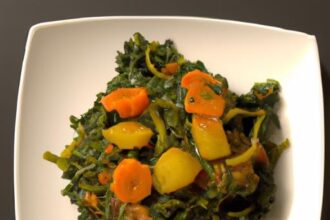
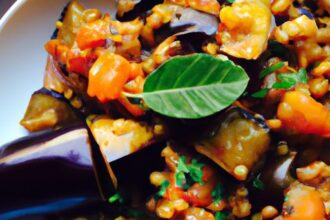
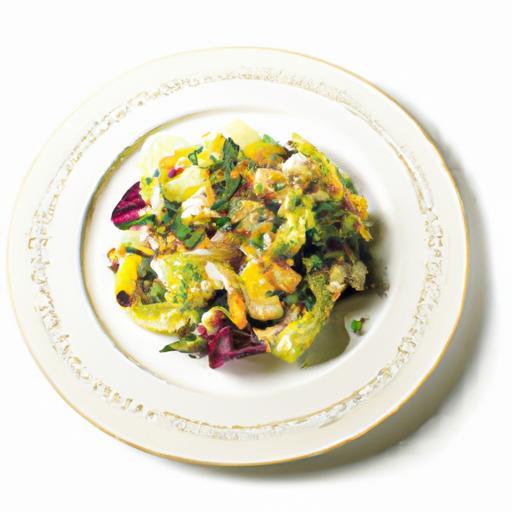
There’s a timeless allure in the art of French cuisine-a delicate dance of rich flavors,fresh ingredients,and meticulous technique that has captivated palates worldwide.Yet behind the buttery pastries and sumptuous sauces lies a tradition deeply rooted in balance and seasonality, offering more than just indulgence. In “Savoring Healthy French Cuisine: Classic Flavor, Balanced living,” we invite you to explore how the elegance of French cooking can harmonize health and taste, proving that nourishing your body need not mean sacrificing pleasure. Join us as we journey through the classic flavors that define France’s culinary heritage, uncovering secrets to savoring every bite with mindful enjoyment and wholesome goodness.
Savoring Healthy French Cuisine: Classic Flavor, Balanced Living
Savoring healthy French cuisine is an exploration of time-honored ingredients harmonized with modern nutrition.This recipe offers a delightful journey into the heart of France’s culinary heritage while embracing wholesome choices and mindful portions. whether it’s the fragrant herbs from Provence or the delicate richness of rustic sauces, each element is balanced to nourish both body and soul. Inspired by my own travels through the French countryside, this dish celebrates seasonal vegetables and lighter approaches to traditional techniques, allowing you to master portion control like a true French gourmand.
Prep and Cook Time
- Planning: 20 minutes
- Cooking: 35 minutes
- Total Time: 55 minutes
Yield
Serves 4 elegantly balanced portions
Difficulty Level
Medium – Ideal for home cooks looking to refine their technique with wholesome inspirations
Ingredients
- 2 tablespoons extra virgin olive oil
- 1 medium yellow onion, finely diced
- 3 cloves garlic, minced
- 1 large leek, white and light green parts, thinly sliced
- 2 cups seasonal mixed vegetables (carrots, zucchini, and baby fennel), diced
- 1 cup fresh green beans, trimmed and halved
- 1/2 cup dry white wine (optional)
- 1 1/2 cups low-sodium vegetable broth
- 1 tablespoon fresh thyme leaves
- 1 tablespoon chopped fresh parsley
- Salt and freshly cracked black pepper, to taste
- For the sauce:
- 1/4 cup plain Greek yogurt
- 1 teaspoon Dijon mustard
- 1 tablespoon lemon juice
- 1 teaspoon finely chopped fresh tarragon
- fresh microgreens or edible flowers, for garnish
Instructions
- Warm the olive oil in a large sauté pan over medium heat. Add the yellow onion and garlic, cooking gently until softened and fragrant, approximately 4 minutes. Stir frequently to avoid browning.
- Add the sliced leek and sauté for an additional 5 minutes until tender and translucent, stirring occasionally to prevent sticking.
- Incorporate the diced seasonal vegetables and green beans. Sauté for 7 minutes to develop subtle caramelization. This enhances natural sweetness and preserves texture.
- Pour in the dry white wine, letting it reduce by half to concentrate flavors, about 3 minutes.
- Add the vegetable broth and fresh thyme leaves. Bring the mixture to a gentle simmer and cover; cook for 10 minutes or until vegetables are tender but still vibrant.
- While the vegetables cook, prepare the sauce: Combine Greek yogurt, Dijon mustard, lemon juice, and chopped tarragon in a small bowl. Whisk until smooth and set aside.
- Once vegetables are ready, season gently with salt and freshly cracked black pepper to taste. Remove thyme stems if any remain.
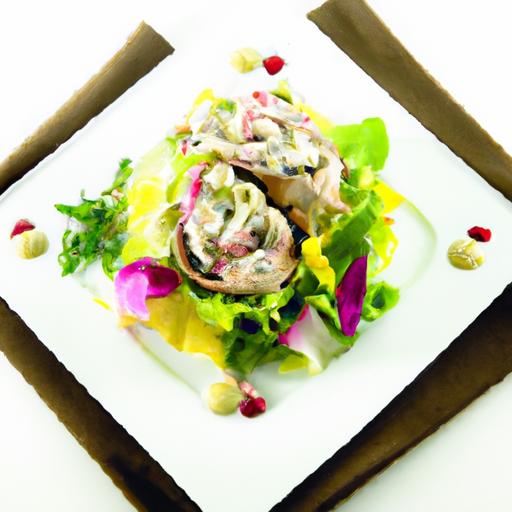
- Plate the vegetables artistically to echo classic French presentation,than drizzle the tangy yogurt-tarragon sauce elegantly on top or on the side.
- Garnish with fresh microgreens or edible flowers to add a burst of color and a refined finish.
Tips for Success
- Choosing vegetables: Opt for crisp, freshly picked varieties from your local market to capture the essence of seasonal French cooking.
- Wholesome sauce alternatives: Greek yogurt replaces traditional heavy creams, delivering creaminess with added protein and less fat.
- Wine-free variation: Substitute white wine with extra vegetable broth or a splash of fresh lemon juice for acidity.
- Make-ahead tip: Prepare the sauce up to 24 hours in advance and store refrigerated for enhanced flavor melding.
- Portion control: Use smaller plates and carefully measure servings to maintain balanced and mindful eating habits inspired by French dining traditions.
Serving Suggestions
Present this dish alongside a slice of crusty whole-grain baguette or a modest portion of quinoa to complement textures and add heartiness without overwhelming the light vegetable medley. Pair with a crisp, chilled glass of Sauvignon Blanc or sparkling mineral water infused with lemon for a refreshing finish. Garnish with fresh herbs such as chervil or tarragon to echo the sauce flavors and add a burst of green vibrancy.
| Nutrient | Per Serving |
|---|---|
| Calories | 210 |
| Protein | 7g |
| Carbohydrates | 25g |
| Fat | 8g |
Discover more on mastering wholesome sauces and kitchen techniques in our Healthy French Sauces Guide. For deeper insights on French cuisine’s nutritional benefits,explore this French Cuisine & Nutrition Resource, an excellent reference for food lovers.

Q&A
Q&A: Savoring Healthy French Cuisine – Classic Flavor, Balanced Living
Q1: What makes French cuisine traditionally flavorful yet suitable for a healthy lifestyle?
A1: French cuisine masterfully blends fresh, high-quality ingredients with simple, time-honored techniques. Instead of relying on heavy processing or excess fats, classic french dishes emphasize balanced portions, seasonal produce, and aromatic herbs – creating layers of flavor without overwhelming calories. It’s this respect for ingredient integrity and portion control that makes French food both indulgent and nourishing.
Q2: How can one enjoy iconic French dishes without feeling guilty about indulgence?
A2: The secret lies in mindful eating and smart substitutions. For example, opt for ratatouille packed with colorful vegetables instead of creamy gratins, or savor a delicate salade niçoise with fresh tuna and crisp greens. Using olive oil rather of butter, incorporating whole grains, and moderating cheese portions can let you relish beloved flavors while supporting your health goals.
Q3: What role do herbs and spices play in healthy French cooking?
A3: herbs like thyme, rosemary, tarragon, and parsley are foundational in French cuisine-not just for flavor but for their wellness benefits. They add depth and complexity without sodium or fat and bring antioxidants and anti-inflammatory properties to the plate. These green gems transform simple dishes into vibrant culinary experiences that nourish both body and soul.
Q4: Can French desserts be part of a balanced diet?
A4: Absolutely! French desserts frequently enough emphasize quality over quantity. A small serving of fresh fruit tart or a classic crème brûlée-made with fresh eggs, real vanilla, and minimal added sugar-can satisfy sweet cravings without overindulgence. The French philosophy encourages savoring every bite slowly, turning dessert into a mindful pleasure rather than a rushed binge.
Q5: How does the French approach to meals support balanced living beyond just the food?
A5: French culture treats meals as social rituals-time to connect, relax, and enjoy. Eating slowly, appreciating the flavors, and sharing food with others promote better digestion and mindfulness, reducing overeating and stress. This holistic approach reminds us that healthy living is as much about savoring the experience as it is about the nutrients on the plate.
Q6: What are some simple French cooking tips for beginners aiming for healthier meals?
A6: Start with fresh, seasonal vegetables and herbs; use olive oil generously but mindfully; embrace simple techniques like roasting, steaming, or poaching; and practice portion control. Experiment with classic dishes like soupe au pistou (vegetable soup with basil pesto) or salade lyonnaise (greens with a poached egg and light vinaigrette) to develop your palate for balanced yet authentic flavors.
Q7: Where can one source authentic ingredients to recreate healthy French recipes at home?
A7: Farmers’ markets are ideal for grabbing fresh produce, artisanal cheeses, and herbs. Specialty shops frequently enough carry quality French staples like Dijon mustard, sea salt, and high-grade olive oil. Don’t overlook online gourmet stores for harder-to-find items like edible flowers or specific wines. The key is selecting ingredients that are natural and minimally processed to honor the essence of French cuisine.
Q8: How does incorporating French cooking principles benefit overall health and well-being?
A8: Adopting French culinary traditions encourages mindful eating, balanced nutrition, and enjoyment of food as a sensory and social experience. This holistic viewpoint fosters a healthier relationship with food, reducing stress and improving satisfaction. By combining fresh, whole ingredients with cultural appreciation, you nurture both body and spirit in tasty harmony.
The Conclusion
As we close the chapter on savoring healthy French cuisine, it’s clear that the elegance of classic flavors and the wisdom of balanced living are not mutually exclusive-they are inseparably intertwined. From vibrant ratatouille to delicate herb-infused salmon, French cooking invites us to relish every bite with intention and joy, proving that health and indulgence can dance gracefully on the same plate.Embracing these timeless culinary traditions offers more than just nourishment; it provides a timeless blueprint for a lifestyle where flavor and wellness coexist harmoniously. So next time you sit down to a French-inspired meal, remember: you’re not just eating-you’re celebrating a culture that masters the art of living well, one delicious, balanced bite at a time.