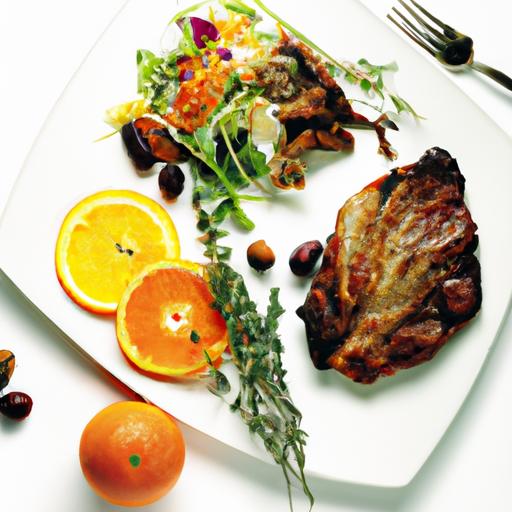
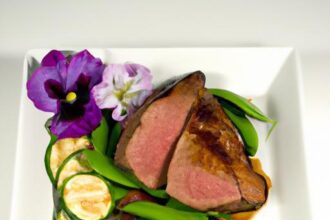
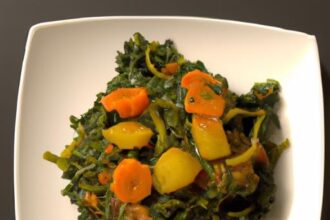
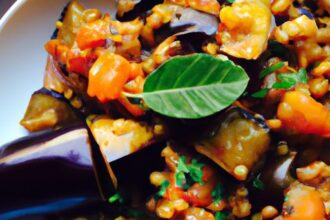
French Food Photography embodies sophistication and artistic vision — a dance of light, texture, and emotion that celebrates France’s culinary soul. From the rustic charm of a baguette on linen to the glossy sheen of a chocolate ganache, French Food Photography transforms simple meals into works of visual poetry. It’s not just about taking pictures — it’s about storytelling through composition, color, and atmosphere that evoke the elegance of French culture.
Mastering French Food Photography begins with understanding balance. The delicate lighting, the soft focus, and the subtle props all create harmony within the frame. Photographers who specialize in French Food Photography know that natural light is key, embracing the warmth of early morning or the golden hues of late afternoon to capture that timeless Parisian glow. Each photo becomes a sensory invitation — a taste of elegance before the first bite.
To perfect French Food Photography, practice patience and passion. Every detail matters: the folds of a napkin, the curve of a spoon, the glisten on a sauce. Whether you’re shooting in a Michelin-starred kitchen or at your own dining table, French Food Photography invites you to slow down and appreciate the artistry behind each dish. In the end, this is more than photography — it’s the refined celebration of food, beauty, and emotion that defines the art of French gastronomy.
Savoring elegance: The Art of French Food Photography begins by embracing the subtle interplay of light, color, and composition that elevate traditional French dishes beyond the plate and into a visual feast. Capturing the delicate textures of a flaky croissant, the vibrant hues of ratatouille, or the glossy sheen on a duck confit requires an eye finely attuned to natural light and balanced palettes, inviting your audience to taste with their eyes first.
Prep and Cook Time
- Planning Time: 25 minutes
- Cook Time: 30 minutes
- Total Time: 55 minutes
Yield
Serves 4 elegant appetites
Difficulty Level
Medium – Ideal for enthusiasts eager to refine both cooking and plating skills
Ingredients
- 2 tbsp unsalted butter, softened
- 4 medium-sized shallots, finely sliced
- 2 cloves garlic, minced
- 1 cup French green beans, trimmed and blanched
- 1 pint heirloom cherry tomatoes, halved
- 1 tbsp fresh tarragon leaves, roughly chopped
- 150g French goat cheese (chèvre)
- 1 ripe avocado, peeled and sliced thinly
- Fresh cracked black pepper and sea salt, to taste
- 1 tbsp extra virgin olive oil
- Fresh edible flowers, optional for garnish
Instructions
- Prepare your mise en place: Arrange all ingredients within easy reach; this ensures a smooth and engaging styling experience.
- Sauté the shallots and garlic: In a medium skillet, melt the butter over medium heat, add the shallots and garlic. Sauté untill translucent and fragrant, about 3-4 minutes, stirring frequently to avoid browning.
- Blanch and shock the green beans: Drop beans in boiling salted water for 2 minutes,then promptly transfer them to an ice bath to preserve their vivid green hue and crispness-key to a lively color palette in your final presentation.
- Combine the tomatoes and tarragon: Toss the halved cherry tomatoes gently with chopped tarragon and olive oil, seasoning lightly.
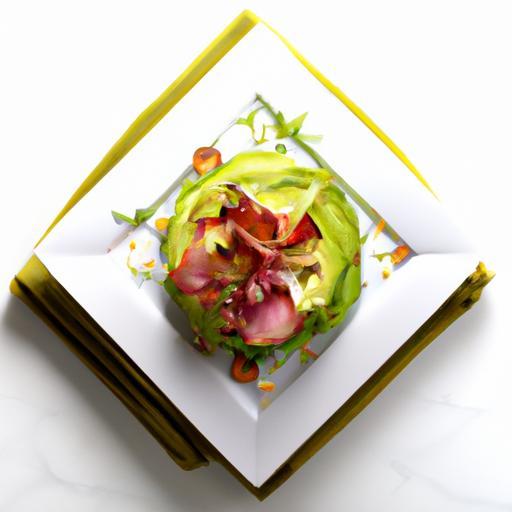
- Build the plate thoughtfully: On a pristine white or matte porcelain plate, lay down a bed of the blanched green beans, intersperse with the sautéed shallots and garlic for dimension.
- Arrange avocado and chèvre: Fan thin avocado slices on one side, and delicately crumble the goat cheese beside it, forming textural contrasts that delight the eye.
- Finish with tomatoes: Strategically scatter the tarragon-infused cherry tomatoes across the plate to add bursts of red and green harmoniously.
- Garnish and season: Sprinkle cracked black pepper and sea salt to enhance natural flavors. Add fresh edible flowers if desired for a subtle nod to french garden elegance-perfect for storytelling through food styling.
- Light your scene: Shoot near a window with diffused natural light or use a softbox to mimic daylight, positioning the plate at a gentle angle to avoid harsh shadows and highlight the sheen on the avocado and cheese.
Chef’s Notes: Tips for Success
- use fresh, seasonal ingredients to authentically capture the French countryside’s essence.
- For color contrast, swap heirloom cherry tomatoes with golden or purple varieties.
- soft shadows amplify texture-avoid overhead flash and embrace side lighting instead.
- Make plating a layered process, starting with base components and finishing with delicate garnishes for depth.
- Prepare components ahead but only combine on the plate immediately before shooting or serving to maintain freshness and vibrant colors.
Serving Suggestions
Serve this visually captivating dish alongside a crisp glass of Sauvignon Blanc or a light rosé to complement the fresh herbs and creamy chèvre. Accompany with a flaky baguette for an authentic French café atmosphere. Presentation-wise, opt for minimalistic, rustic tableware combined with linen napkins in muted shades to evoke both sophistication and warmth.Incorporating vintage silverware or a casual copper pot in the frame enhances the narrative of rustic elegance.
| Nutrient | Per Serving |
|---|---|
| Calories | 280 kcal |
| Protein | 7 g |
| Carbohydrates | 15 g |
| Fat | 22 g |
Looking for more inspiration on elevating French classics? Explore our extensive guide to styling French desserts to complement your savory shoots. For expert advice on mastering natural light in food photography, the techradar Lighting Guide is invaluable.

Q&A
Q&A: Savoring Elegance – The Art of French Food Photography
Q1: What makes French food photography stand out from other culinary photography styles?
A1: French food photography captures more than just a dish-it encapsulates a lifestyle steeped in tradition, artistry, and subtle elegance.Unlike more vibrant or overly styled food images, French food photography thrives on natural lighting, understated compositions, and an intimate focus on texture and detail, inviting viewers to savor the story behind each plate.
Q2: How does lighting play a role in creating the quintessential French food photo?
A2: Lighting in French food photography is frequently enough soft and natural, reminiscent of the gentle glow streaming through a Parisian café window at dawn. This approach highlights the food’s textures-the flaky crust of a baguette,the silky sheen of a crème brûlée-without harsh shadows or artificial shine,evoking warmth and authenticity.
Q3: What are some common props or settings used to evoke a French atmosphere in food photography?
A3: Think rustic wooden tables, delicate linen napkins, vintage silverware, and simplicity in arrangement. A sprig of fresh herbs, a rustic ceramic plate, or a glass of Bordeaux often appear subtly in the frame, suggesting a poetic narrative that blends food with culture.It’s about balancing elegance with the cozy charm of everyday French life.
Q4: How does composition contribute to the storytelling in French food photography?
A4: Composition frequently enough embraces asymmetry and negative space, orchestrating a visual dance that feels effortless yet deliberate. The framing might capture a partially eaten croissant beside a steaming cup of coffee or a fork poised mid-air-moments frozen in time that feel both intimate and inviting, encouraging viewers to imagine themselves savoring the moment.Q5: Can you explain the role of color palettes in French food photography?
A5: The palette tends to honor natural,muted tones-warm earths,buttery yellows,soft whites,and hints of fresh greens and reds. These colors reflect the ingredients’ authenticity while maintaining a sense of refined simplicity. Overly saturated or artificial hues are avoided to preserve the genuine warmth and classical beauty characteristic of French cuisine.Q6: How important is storytelling in French food photography?
A6: Storytelling is paramount. Every photo is a vignette-an invitation to linger not just on the visual but on the emotions and memories it evokes. Whether it’s a rustic farmhouse breakfast or an elaborate multi-course feast, the image aims to tell a nuanced story about place, tradition, and the sensory pleasures of French gastronomy.
Q7: What tips would you give to photographers aiming to master the art of French food photography?
A7: Embrace patience and simplicity. Use natural light and minimal styling to let the food’s character shine. Pay attention to textures and subtle details, and always consider the mood you want to convey-is it a casual market scene or an elegant dinner? Most importantly, savor the process as you would a fine meal, letting your passion and respect for the cuisine guide your lens.
Q8: Why do viewers connect so deeply with French food photography?
A8: As it transcends mere sustenance and taps into worldwide desires: comfort, beauty, and a connection to culture. The images invite viewers not only to see but to almost taste and feel the elegance woven into each bite, inspiring both appetite and admiration for the art of living well.
insights and Conclusions
As the final bite of this visual journey lingers on your senses, remember that French food photography is more than just a feast for the eyes-it is a delicate dance of light, texture, and emotion. Each frame captures not only the artistry of cuisine but also the soulful story behind every ingredient and every garnish. To savor elegance through the lens is to celebrate a culture where food transcends nourishment and becomes an exquisite experience.So next time you reach for your camera, let the spirit of French culinary artistry inspire you to craft images that tell their own sumptuous tale, inviting viewers to taste with their eyes and feel the timeless joy of fine dining. Bon appétit-through the art of the photograph.