In the world of culinary arts, few skills evoke as much admiration and finesse as the mastery of French sauces. These velvety, aromatic creations are the silent heroes behind every exquisite dish, transforming simple ingredients into masterpieces of flavor and texture. “Mastering the Art: A Creative Guide to French Sauce Making” invites you on a flavorful journey through the rich history, techniques, and secrets of French sauce craft. Whether you’re a passionate home cook or an aspiring chef, this guide will ignite your creativity and deepen your understanding, turning the art of sauce making into your culinary superpower. Prepare to unlock the transformative magic hidden within each luscious spoonful.
French Sauce Making is the heart of culinary artistry, revealing the true essence of flavor and refinement. Through French Sauce Making, chefs learn the delicate balance of texture, aroma, and taste that defines world-class cuisine. The beauty of French Sauce Making lies in its ability to transform simple ingredients into luxurious sauces that elevate every meal.
From the smooth perfection of velouté to the deep complexity of demi-glace, French Sauce Making teaches the principles of precision and patience. Every element of French Sauce Making—the simmering, whisking, and layering—creates harmony between acidity, fat, and seasoning. Mastering French Sauce Making means understanding how subtle variations can change an entire dish.
As you explore French Sauce Making, you uncover a language of culinary expression that speaks through taste and texture. The elegance of French Sauce Making connects tradition with creativity, giving cooks the freedom to innovate. In the kitchen, French Sauce Making becomes more than technique—it’s a craft that turns ordinary moments into extraordinary dining experiences. Once you embrace French Sauce Making, you’ll never see sauces the same way again.
Prep and Cook Time
- Planning: 15 minutes
- Cooking: 30 minutes
- Total time: 45 minutes
Yield
Approximately 1 ½ cups of sauce – enough to enhance 4 servings
Difficulty Level
Medium – Perfect for adventurous home cooks ready to elevate their kitchen skills
Ingredients
- 2 tbsp unsalted butter, chilled and cut into cubes
- 1 cup all-purpose flour, sifted
- 4 cups chicken or veal stock, preferably homemade
- 1 small onion, finely chopped
- 1 carrot, peeled and finely diced
- 1 stalk celery, finely diced
- 2 cloves garlic, minced
- 1 tbsp tomato paste
- 1/2 cup dry white wine
- Salt and white pepper, to taste
- 1 bouquet garni (thyme, parsley stems, and bay leaf tied together)
- 1/4 cup heavy cream (optional for finishing)
Instructions
- Prepare the mirepoix: In a medium saucepan over medium heat, melt 1 tablespoon of butter. Add the chopped onion, carrot, celery, and garlic, sautéing untill softened and fragrant, about 5-7 minutes, stirring frequently to avoid browning.
- Make the roux: In a separate heavy-bottomed skillet, melt the remaining 1 tablespoon butter over medium heat. Add the flour and whisk continuously, cooking until the mixture is golden and fragrant, approximately 3-4 minutes. This golden roux will provide a rich, nutty base wiht no raw flour taste.
- Deglaze and build flavors: Pour the white wine into the sautéed vegetables, scraping the pan’s bottom to release any browned bits. stir in the tomato paste and cook for 2 minutes to deepen the flavor.
- Combine stock and roux: Gradually whisk the stock into the roux,then carefully pour this thickened mixture into the vegetable pan. Add the bouquet garni. Simmer gently, uncovered, stirring occasionally to prevent sticking, until the sauce reduces and thickens, about 25 minutes.
- Strain and season: Remove the bouquet garni and strain the sauce through a fine sieve into a clean saucepan. Return to low heat and adjust seasoning with salt and white pepper.For a silkier finish, swirl in the heavy cream just before serving.
Tips for Success
- Roux consistency: Achieve the perfect golden roux by constantly stirring and cooking just until it smells toasted but not burnt.
- Stock quality: Use homemade or high-quality stock for a richer, more complex flavor; this is the backbone of your sauce.
- Balancing acidity: Adjust tomato paste and wine quantities to your taste-less for a subtler tang, more for depth.
- Thickening solutions: If the sauce is too thin, simmer longer for reduction or add a small slurry of cornstarch and water.
- Make-ahead tip: Prepare the sauce base ahead of time and reheat gently, whisking in a bit of warm stock or cream to refresh its texture.
- Substitutions: For a vegetarian version, replace meat stock with a robust vegetable broth and omit garlic if desired.
Serving Suggestions
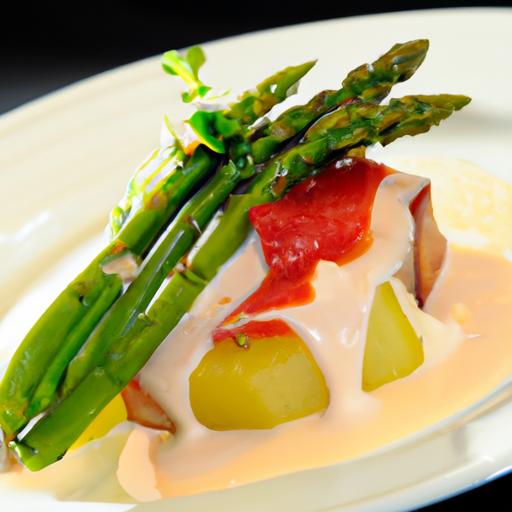
This classic sauce pairs beautifully with poached chicken,sautéed fish,or steamed vegetables. ladle it generously over herb-roasted potatoes or creamy risotto for an elegant finish. Garnish with freshly chopped chives or a sprig of thyme to add both colour and aromatic lift.For visual flair, drizzle a fine ribbon across the plate alongside your entrée to create a stunning presentation that beckons you to savor every bite.

| Nutritional Info (per ¼ cup) | Calories | Protein | Carbs | Fat |
|---|---|---|---|---|
| Classic French Sauce | 85 kcal | 2.1 g | 6.5 g | 5.7 g |
Exploring Flavor Balances with Classic French Sauce Techniques
The key to mastering the art of French sauce making lies not only in technique but in the delicate dance of flavor. French sauces hinge on a balance between acidity, sweetness, and umami, often achieved through thoughtful layering: the bouquet garni adds aromatic depth, while tomato paste lends a mild sweetness and richness. Careful seasoning with salt and white pepper amplifies subtle undertones without overpowering the sauce’s elegance.
Texture is equally essential. A sauce should be luscious but never gloopy, with a smooth mouthfeel that complements its dish. Achieving this requires patience and respect for foundational techniques – from perfecting your roux to simmering with purpose – that ensure silky, balanced results every time.
For deeper insights into complementary dishes that master pairing techniques, visit our Classic French Recipes collection. For authoritative guidelines on sauce science, check out the Culinary Institute of America.
Q&A
Q&A: Mastering the Art - A Creative Guide to french Sauce Making
Q1: Why are French sauces considered the cornerstone of classic cuisine?
A1: French sauces are the soul behind many iconic dishes, transforming simple ingredients into extraordinary experiences. They add layers of flavor, texture, and elegance, making each bite a harmonious dance on the palate. Think of them as the secret language of the kitchen, whispering tradition and innovation together.
Q2: What distinguishes a mother sauce from other sauces?
A2: Mother sauces are the foundational blocks in French culinary art - the grandmothers from which countless “daughter” sauces are born. Think Béchamel, Velouté, Espagnole, Tomato, and hollandaise as your essential palette. Mastering these is like unlocking a treasure chest of endless culinary possibilities.
Q3: How can a novice approach the intimidating process of sauce making?
A3: Start with patience and curiosity. Like painting, sauce making demands attention to detail: temperature, timing, and texture. Don’t rush the roux or the emulsification-embrace the slow transformation. Remember, mistakes are just delicious discoveries waiting to happen.
Q4: What creative twists can one add to classic French sauces?
A4: Inspiration lies in the interplay of tradition and innovation. Experiment with infusing fresh herbs, exotic spices, or unexpected acids like yuzu or tamarind. Replace classic stocks with vegetable broths or nut milks for a modern vegetarian flair. The key is in harmonizing new notes without overpowering the original melody.
Q5: Which tools are essential for perfecting French sauces at home?
A5: A heavy-bottomed saucepan to ensure even heat, a sturdy whisk for smooth blending, a fine sieve to achieve silky textures, and good-quality stocks and butter – these form your reliable allies. Precision scales and a digital thermometer can elevate your timing and control, turning cookery into craft.
Q6: How does mastering sauces enhance overall cooking skills?
A6: Sauce mastery is like learning a language fluently; it deepens your understanding of flavors, textures, and cooking chemistry. It sharpens your palate and instinct, encouraging creativity and confidence that ripple through every aspect of cooking – from roasting to plating.
Q7: What is the most common pitfall in French sauce making, and how can it be avoided?
A7: Overcooking or curdling is the nemesis of smooth sauces. Avoid overheating and sudden temperature changes, especially with egg-based emulsions like Hollandaise. Constant whisking and gentle heat are your shields. Also,never underestimate the power of seasoning – it brings your sauce from bland to brilliance.
Q8: Can mastering French sauces be adapted to modern dietary preferences?
A8: Absolutely! French sauces are wonderfully versatile. With thoughtful substitutions - almond milk for dairy, gluten-free flour for roux, or plant-based fats - you can honor tradition while embracing health and ethical choices. Creativity and respect for technique make it possible to savor classic sauces in contemporary ways.
Embrace sauce making not just as a cooking skill, but as a delicious journey – an art form where science meets soul, and every stir brings you closer to culinary mastery. Bon appétit!
in summary
As you close this chapter on the art of French sauce making, remember that each simmer, whisk, and reduction is more than a technique-it’s a story told through flavor. Mastery comes not from perfection but from curiosity and creativity, inviting you to explore the delicate balance between tradition and innovation. So,let your kitchen become a canvas where classic sauces evolve into your personal signature,transforming humble ingredients into moments of culinary magic. bon appétit, and may your saucing adventures be as rich and inspiring as the sauces themselves.