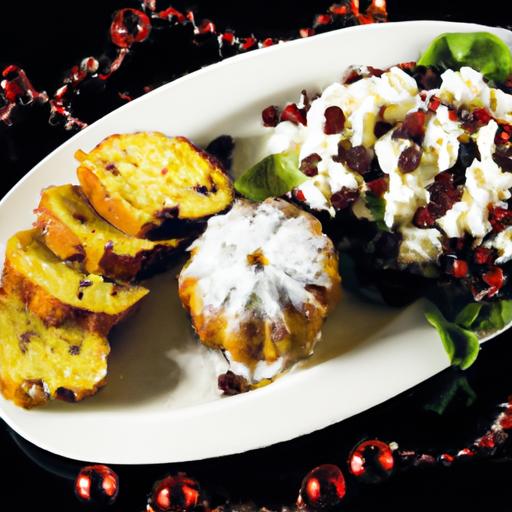
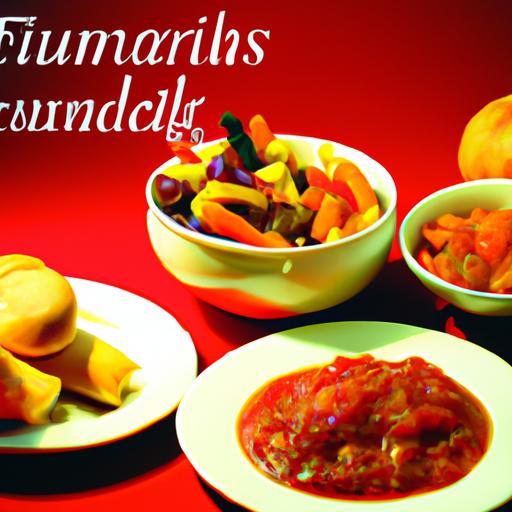
When the holidays arrive in France, the air fills with the rich aromas of slow-cooked delicacies, and family tables transform into vibrant stages for culinary artistry. French Holiday Meal Traditions are more than just meals; they are cherished celebrations steeped in history, regional flair, and a deep recognition for the joy of savoring every bite. From the festive éclairs of Parisian patisseries to rustic Provençal fare, each dish within French Holiday Meal Traditions tells a story of culture, festivity, and togetherness. In this joyful guide, we’ll uncover the signature flavors and time-honored rituals that make French Holiday Meal Traditions an unforgettable experience—inviting you to savor the season one exquisite course at a time.
French Holiday Meal Traditions are an invitation to explore the rich aromas and textures that define the heart of classic festive French cuisine. At the center of many French Holiday Meal Traditions, Boeuf Bourguignon holds a treasured place—a slow-cooked masterpiece uniting tender beef, robust Burgundy wine, and earthy vegetables into a silky, sumptuous stew. Originating from the Burgundy region, this iconic dish perfectly captures the spirit of togetherness, indulgence, and joy that make French Holiday Meal Traditions so beloved during the festive season.
From the elegant foie gras of Alsace to the buttery Galette des Rois of Epiphany, French Holiday Meal Traditions shine with both luxury and simplicity. Every region adds its own unique touch, yet the heart of French Holiday Meal Traditions remains constant: bringing families together in warmth, laughter, and gratitude. Whether it’s champagne toasts or decadent desserts, French Holiday Meal Traditions remind us that food is more than nourishment—it’s a joyful connection to heritage and love.
By embracing French Holiday Meal Traditions, you’re not only savoring extraordinary dishes but also celebrating culture, family bonds, and timeless culinary artistry. Each element of French Holiday Meal Traditions is a chance to experience joy, elegance, and the true power of festive dining.
Prep and cook Time
- Preparation: 30 minutes
- Cooking: 3 hours 30 minutes (slow simmer)
- Total: 4 hours
Yield
- 6 generous servings
Difficulty Level
- Medium – Ideal for cooks cozy with multi-step recipes and slow-cooking techniques
Ingredients
- 2 lbs beef chuck, cut into 2-inch cubes
- 1 bottle (750 ml) red Burgundy wine (Pinot Noir is a fine substitute)
- 2 cups beef broth
- 4 slices thick-cut bacon, diced
- 2 tablespoons tomato paste
- 2 cloves garlic, minced
- 1 large onion, finely chopped
- 3 large carrots, sliced into 1/2-inch rounds
- 1 bouquet garni (thyme sprigs, bay leaf, parsley stems tied together)
- 8 oz pearl onions, peeled
- 8 oz cremini mushrooms, halved
- 3 tablespoons all-purpose flour
- Salt and freshly ground black pepper, to taste
- 3 tablespoons unsalted butter
- 2 tablespoons olive oil
- Fresh parsley, chopped for garnish
Instructions
- Marinate the beef: In a large bowl, combine beef cubes with red wine, garlic, and bouquet garni. Cover and refrigerate for at least 4 hours or overnight to tenderize and infuse flavors.
- prepare the bacon and vegetables: In a heavy-bottomed Dutch oven, cook bacon over medium heat until crisp.Transfer bacon to a plate, leaving rendered fat in the pot.
- sear the beef: Remove beef from marinade and pat dry. Sauté beef cubes in batches in the bacon fat and olive oil over medium-high heat until browned on all sides. Set aside.
- Sauté aromatics: Add onions and carrots to the pot, cooking until softened, about 7 minutes. Stir in tomato paste and cook for 2 minutes to deepen flavor.
- Thicken and combine: Sprinkle flour evenly on vegetables and stir well to cook off raw taste, about 3 minutes. Gradually add the reserved marinade and beef broth, stirring constantly to avoid lumps.
- Simmer the stew: Return beef and bacon to the pot. Add bouquet garni. bring to a gentle simmer, cover partially, and cook on low heat for 3 hours or until meat is fork-tender. Stir occasionally.
- Prepare mushrooms and pearl onions: In a skillet, melt butter over medium heat. Add pearl onions and mushrooms,sauté until golden and tender,about 10 minutes.
- Final assembly: stir mushrooms and pearl onions into the stew during the last 30 minutes of cooking. Season with salt and pepper to taste.
- Rest and serve: Remove bouquet garni, let stew rest for 10 minutes before serving.Garnish with fresh parsley.
Chef’s Notes
- Wine choice: Use a good quality dry red Burgundy or Pinot Noir for authentic flavor; avoid overly tannic wines that can turn bitter.
- Make ahead tip: This stew tastes even better the next day – reheat gently on the stove for a cozy, effortless holiday meal.
- Vegetarian variation: Substitute beef with hearty mushrooms and use vegetable broth for a festive twist.
- Peeling pearl onions: Score an X on the root end and blanch in boiling water for 2 minutes, then shock in ice water to ease peeling.
- Serving size adjustments: To double the recipe, maintain the same cooking time but use a larger Dutch oven.
Serving Suggestions
Present this dish in rustic shallow bowls to showcase its rich, ruby-red sauce and chunky vegetables.A crusty baguette or buttery mashed potatoes soak up every drop of the luscious sauce. Garnish with chopped fresh parsley and a sprinkle of cracked black pepper. Complement the meal with a glass of the same Burgundy wine used in cooking for harmonious flavors and an elevated dining experience.

| Nutrient | Per Serving |
|---|---|
| Calories | 450 kcal |
| Protein | 35 g |
| Carbohydrates | 15 g |
| Fat | 22 g |
For a deeper dive into French meal traditions, explore our Classic French Entrees for Celebrations.To understand the science behind wine pairing with hearty meals, visit Wine Folly’s expert guide.
Q&A
Q&A: Feasting french Style – A Guide to holiday Meal Traditions
Q: What makes French holiday meals so special compared to other cultures?
A: French holiday meals are less about speed and more about savoring every bite with family and friends. It’s an artful blend of rich flavors,tradition,and conviviality,where each dish tells a story passed down through generations. The emphasis is on quality ingredients, stunning presentation, and lingering conversations – turning meals into memorable celebrations.
Q: Which holidays inspire the most elaborate French feasts?
A: Christmas (Noël) and New Year’s Eve (la Saint-Sylvestre) are the crown jewels of French culinary festivity. Christmas Eve,known as “Le Réveillon,” is especially iconic,featuring long,sumptuous dinners that stretch late into the night. easter also brings its own set of special dishes, but it’s the winter holidays that truly showcase France’s love for indulgence.
Q: What’s typically served during a traditional French Christmas Eve dinner?
A: The Réveillon menu varies by region but frequently enough includes luxurious items such as oysters, foie gras, smoked salmon, roasted capon or turkey, and a grand finale dessert – the “Bûche de Noël,” a yule log-shaped cake. Each course is paired thoughtfully with wine, emphasizing the French mastery of culinary harmony.
Q: Are there any unique customs tied to the French holiday meals?
A: Absolutely! One charming tradition is the “treize desserts” in Provence, where thirteen desserts symbolize Jesus and the twelve apostles. This symbolic touch transforms a simple dessert platter into a meaningful ritual. Another custom is the late-night toasts and sharing of “galette des rois,” a puff pastry cake with a hidden figurine,enjoyed after Epiphany.
Q: How do French holiday meal traditions reflect regional diversity?
A: France’s geographic variety shines through its culinary traditions. Coastal regions favor fresh seafood and shellfish; inland areas might highlight hearty meats and rich sauces. For example, Alsace leans into smoked fish and stollen-like breads, while Burgundy serves up fine wines with roasted game. Each feast is a passport to local heritage and terroir.
Q: Can these French holiday meal traditions be adapted for today’s busy lifestyles?
A: Certainly! While the essence of the French feast is unhurried enjoyment, the spirit can live on in simplified ways. Prioritizing fresh, quality ingredients, sharing a few special dishes instead of an overwhelming spread, and creating a festive atmosphere-these small touches keep the tradition alive without the stress.
Q: What’s the best way for someone new to French cuisine to start embracing these holiday traditions?
A: Begin with the classics-try making a simple foie gras terrine or baking a Bûche de Noël. Explore seasonal cheeses and artisanal breads to elevate your cheese board. Invite friends or family to share the experience, and focus on the joy of togetherness. Remember, feasting French style is as much about the company as the cuisine.
Q: Any final tips for making a French-inspired holiday meal unforgettable?
A: Embrace the leisurely pace-allow time between courses for conversation and laughter. Set a beautiful table with candles,fresh greenery,and elegant tableware. Pair each dish with wine that complements its flavors. And most importantly, savor each moment; the French don’t just eat to nourish, they eat to celebrate life. Bon appétit!
Closing Remarks
As the last sip of rich vin chaud warms your hands and the echoes of laughter linger around the table, it’s clear that feasting French style is more than just a meal-it’s a celebration of heritage, togetherness, and joy. From the elegant Bûche de Noël to the savory delights of the réveillon, these holiday traditions invite us to slow down, savor each bite, and honor the stories passed down through generations. So whether you find yourself in a bustling parisian apartment or your own cozy kitchen, embracing the French holiday feast is a delicious way to make memories that last far beyond the season’s end. Bon appétit-and joyeux fêtes!