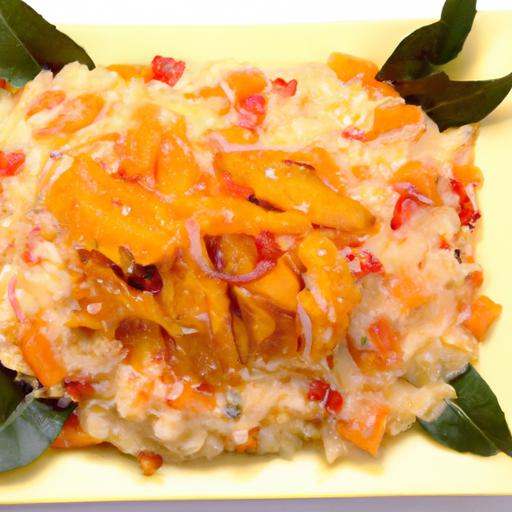

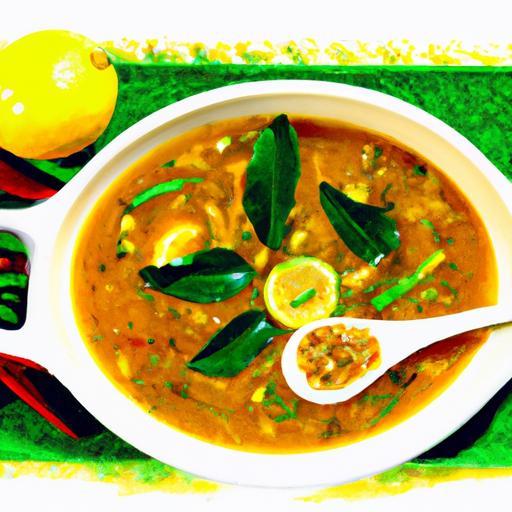
Every dish carries a tale, every spice whispers a memory, and every aroma evokes a heritage. “From Ratna’s Kitchen: Flavors That Tell a Story” invites you on a sensory journey beyond the plate-a journey where recipes are not just instructions but chapters of culture, tradition, and personal history. In this exploration, Ratna’s kitchen becomes a storytelling space, blending vibrant ingredients with heartfelt narratives that connect us to places, people, and moments in time. Join us as we uncover the rich tapestry of flavors that transform simple meals into stories worth savoring.

From Ratna’s Kitchen: Flavors That Tell a Story invites you to embrace the soul of tradition by crafting authentic aromas through carefully selected, time-honored ingredients. This recipe channels generations of culinary wisdom, blending balanced spices that unfold in rich, layered flavors with every bite. Whether you’re a seasoned cook or an eager home chef, these steps will guide you to recreate Ratna’s signature touch, making her cherished dishes part of your own culinary heritage.
Prep and Cook Time
- Preparation: 25 minutes
- Cooking: 40 minutes
- Total Time: 1 hour 5 minutes
Yield
Serves 4 hearty portions
Difficulty Level
Medium – Perfect for cooks ready to explore nuanced spice layering techniques
Ingredients
- 2 cups basmati rice, rinsed and soaked for 30 minutes
- 1 lb chicken thighs, boneless and skinless, cut into chunks
- 1 large onion, finely sliced
- 3 cloves garlic, minced
- 1-inch piece fresh ginger, grated
- 2 medium tomatoes, pureed
- 1/2 cup plain yogurt, whisked
- 3 tablespoons ghee or clarified butter
- 1 teaspoon cumin seeds
- 4 green cardamom pods, lightly crushed
- 4 whole cloves
- 2 bay leaves
- 1 cinnamon stick (2 inches)
- 2 teaspoons coriander powder
- 1 teaspoon turmeric powder
- 1 teaspoon garam masala
- 1 teaspoon red chili powder (adjust to taste)
- Salt to taste
- Fresh cilantro, chopped, for garnish
- 1/4 cup fried onions (optional, for garnish)
- 3 cups water
Instructions
- Prepare the rice: Drain the soaked basmati rice and set aside.Bring 3 cups of water to a boil with a pinch of salt.
- Cook rice halfway: Add the rice to boiling water, cook uncovered until about 70% done (firm but not soft), approximately 6-7 minutes. Drain and fluff. Set aside.
- Sauté whole spices: Heat ghee in a heavy-bottomed pan over medium heat. Add cumin seeds, cardamom, cloves, bay leaves, and cinnamon stick. Sauté for 1-2 minutes until fragrant.
- Cook onions: Add sliced onions and sauté until golden brown, about 10 minutes. Stir occasionally to prevent sticking or burning.
- Add aromatics and spices: Stir in garlic and ginger, cook for 2 minutes. Then add coriander powder,turmeric,red chili powder,and salt. Mix well to develop a fragrant base.
- Incorporate tomatoes and yogurt: Pour in the pureed tomatoes and cook until the oil starts separating,about 8 minutes. Lower heat, add yogurt gradually while stirring to avoid curdling.
- Add chicken: Toss chicken chunks into the spiced mixture. Reduce heat, cover, and let cook for 20 minutes, stirring halfway through, until chicken is tender and infused with spices.
- Layer rice and chicken: In a heavy pot or Dutch oven, layer half the rice, then the chicken mixture, and top with the remaining rice. Sprinkle garam masala evenly across the top.
- Dum cooking (slow steaming): Seal the pot with a tight-fitting lid or dough. Cook on very low heat for 20 minutes to meld flavors and finish cooking the rice thoroughly.
- Final flourish: Gently fluff the biryani with a fork. Garnish with fresh cilantro and fried onions for that authentic touch.
Tips for success
- Marinating chicken: For deeper flavor, marinate chicken in yogurt and spices for 1 hour prior to cooking.
- Perfect rice texture: Avoid overcooking rice in boiling water as it will become mushy after steaming.
- Custom spice mix: Adjust chili powder and garam masala according to your heat preference.
- Vegetarian option: Substitute chicken with hearty vegetables like cauliflower and potatoes, using the same spice base.
- Make-ahead: This dish can be assembled ahead and steamed fresh when ready to serve, preserving its aromatic integrity.
Serving Suggestions
Present this dish on a large, shallow serving plate to showcase the beautiful layering of rice and spiced chicken.Accompany with a cool cucumber raita or a fresh mint yogurt sauce to balance the complex spiciness. A sprinkling of toasted nuts, such as cashews or almonds, adds welcoming crunch and richness. Ratna’s kitchen flavors shine brightest when enjoyed with family and friends over warm, fragrant bread like naan or paratha.
| Nutrient | Per Serving |
|---|---|
| Calories | 480 kcal |
| Protein | 32 g |
| Carbohydrates | 52 g |
| Fat | 12 g |

For more inspiring traditional recipes from Ratna’s Kitchen, explore our guide to classic spice blends and how to master them in your own home kitchen. To deepen your understanding of spices’ health benefits and origins, visit the Spices Inc’ educational blog.
Q&A
Q&A: From Ratna’s kitchen: Flavors That Tell a Story
Q: What inspired the creation of “From Ratna’s Kitchen: flavors That tell a Story”?
A: The inspiration behind Ratna’s Kitchen stems from a deep-rooted love for family traditions and the rich tapestry of flavors passed down through generations. Ratna wanted to share not just recipes, but the heartfelt stories and cultural heritage encapsulated in every dish, making each flavor a narrative in itself.
Q: How does Ratna’s cooking differ from typical recipes you find online?
A: Ratna’s approach goes beyond mere instructions-her cooking is an emotional journey that weaves history, memories, and personal anecdotes into each recipe. It’s about connecting with the essence of the ingredients and honoring the stories behind them, turning everyday meals into meaningful experiences.
Q: Can you give an example of a dish from Ratna’s Kitchen that tells a story?
A: Certainly! One standout is Ratna’s signature “Spiced Mango Chutney.” This vibrant condiment isn’t just a burst of tangy sweetness; it reflects Ratna’s childhood afternoons spent in her grandmother’s garden, picking ripe mangoes and watching spices infuse with love and patience. The story transforms the chutney from a simple accompaniment into a flavorful memory.
Q: What role do spices play in Ratna’s storytelling through food?
A: Spices are the language of Ratna’s kitchen-they communicate emotions,seasons,and celebrations. Each blend is carefully chosen to evoke a specific time, place, or feeling. For ratna, a pinch of cardamom might recall a festive family gathering, while a dash of cumin could bring forth the warmth of home-cooked comfort.
Q: How can readers infuse storytelling into their own cooking?
A: Ratna encourages cooks to reflect on their personal histories and the cultural roots of their ingredients. Start by asking questions: Where did this recipe come from? what memories does this flavor evoke? Cooking with intention and sharing these stories around the table can transform meals into cherished moments filled with meaning.
Q: Is “From ratna’s Kitchen” suitable for home cooks new to the cuisine?
A: Absolutely! Ratna’s kitchen welcomes all skill levels with open arms. She breaks down complex recipes into approachable steps and shares tips on sourcing ingredients, ensuring every reader can embark on their flavorful storytelling journey confidently and joyfully.
Q: What impact does Ratna hope her storytelling recipes will have on readers?
A: Ratna aspires to inspire readers to cherish the stories embedded in their own culinary traditions while embracing the adventure of new flavors. Ultimately,she hopes her recipes foster a sense of connection-between past and present,between people,and between hearts and homes through the universal language of food.
insights and Conclusions
As we close the chapter on Ratna’s kitchen, one thing becomes beautifully clear: every dish is more than just a recipe-it’s a narrative steeped in tradition, culture, and heartfelt memories. Through the vibrant spices and carefully crafted flavors, Ratna invites us not only to taste but to experience stories passed down through generations. In savoring her culinary creations, we partake in a timeless dialog between past and present, reminding us that food can be a powerful storyteller, connecting us all one bite at a time.