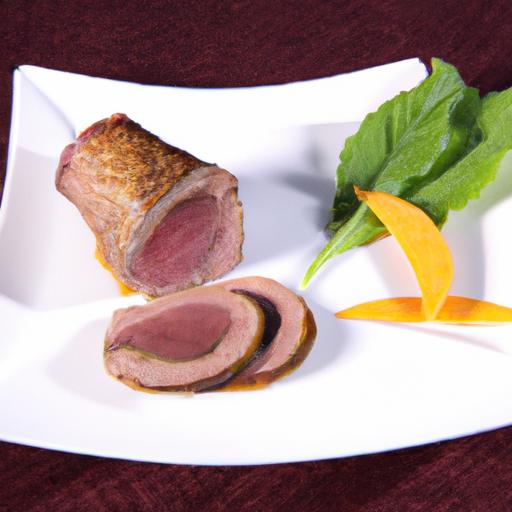
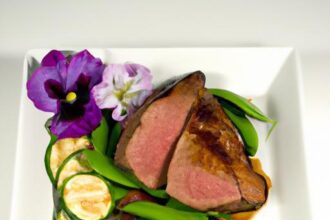
Step into the heart of any French kitchen, where tradition meets artistry and every dish is a carefully crafted masterpiece. Mastering classic French recipes is not just about following a list of ingredients-it’s about embracing the tools that bring those flavors to life. from the delicate whisk that folds air into a soufflé to the precise mandoline slicing vegetables paper-thin, essential kitchen gadgets are the silent partners in your culinary journey. In this article, we’ll explore the indispensable utensils and devices that elevate your cooking from ordinary to exquisite, helping you unlock the secrets of French cuisine with confidence and flair. Whether you’re a seasoned foodie or an adventurous home cook, these gadgets will become your trusted allies in crafting timeless dishes that delight every palate.
Selecting the Perfect French chef’s Knife for Precision and Flair
Essential kitchen gadgets to master classic French recipes begin with the powerhouse tool of any culinary enthusiast: the French chef’s knife.This versatile blade,tailored for precision and flair,is your best ally in crafting dishes that demand finesse and technique. Originating from the heart of French cuisine, its curved edge allows for seamless rocking motions-perfect for mincing herbs or creating paper-thin julienne cuts. I vividly recall the first time I wielded a genuine french chef’s knife; the effortless control instantly transformed my prep work into a dance of elegance and efficiency.
Prep and Cook Time
- Planning: 15 minutes
- Cook Time: Varies by recipe
Yield
One trusty chef’s knife ready to elevate every dish.
Difficulty Level
Beginner to Advanced – mastering your knife skills grows with practice.
Ingredients
- High-carbon stainless steel blade: for sharpness and durability
- Ergonomic handle: usually made from wood or composite materials for comfort
- Blade length: typically 8 to 10 inches (20 to 25 cm) to suit various tasks
Instructions
- Choose the right size: Select a blade length that balances control and versatility; 8-inch knives are great household staples.
- Test the grip: Practice different holds like the “pinch grip” where the thumb and forefinger grasp the blade, enhancing precision.
- Maintain your knife: Regular honing keeps the edge aligned,and professional sharpening (every 6-12 months) restores peak sharpness.
- Master basic cuts: Begin with slicing onions,dicing carrots,and chiffonading herbs to build confidence and control.
- Handle with flair: Channel the French culinary spirit by slicing with fluid movements, prioritizing both technique and aesthetics.
Tips for Success
- invest in quality: A well-balanced,sharp knife is safer and more precise,dramatically improving your prep and final results.
- Keep your workspace clean and stable: Use a non-slip cutting board and ensure your hands are dry for better grip and safety.
- Practice knife skills regularly: perfecting techniques like the “claw grip” protects fingers and speeds up prep.
- Store safely: Avoid tossing your knife in drawers; opt for a magnetic strip or knife block to preserve the edge and avoid accidents.
- Try French classics: Use the chef’s knife to prepare mirepoix or finely diced shallots, building foundational skills with classic recipes.
Serving Suggestions
While a French chef’s knife doesn’t get “served,” its role is paramount in the kitchen symphony-use it to prep vibrant ratatouille vegetables uniformly, carve succulent duck à l’orange with precision, or carve thin slices of pâté terrine. Present your knife skills visibly by plating beautifully layered tian or perfect julienne for soups and sauces, showcasing both precision and flair.

must-Have Gadgets for Classic Sauces and Soups
Unlocking the essence of timeless French sauces-béchamel, velouté, or rich Bordelaise-requires more than skill; it demands the right tools. A sturdy whisk with a agreeable grip, a fine mesh chinois for silky textures, and heavy-bottomed saucepans ensure gentle, even heat distribution. These essentials transform simple ingredients into masterpieces of flavor and texture, elevating soups and sauces from humble to haute cuisine.
nutrition Information
| nutrient | Amount per Use |
|---|---|
| Calories | Negligible (tool) |
| Protein | 0g |
| Carbohydrates | 0g |
| Fat | 0g |
For complementary ideas on kitchen gear to elevate your technique further, visit our complete guide to French cooking knives. For scientific insights into the materials that make great knives, explore American Blade’s guide to steel types.
Q&A
Q&A: Essential Kitchen Gadgets to Master Classic French Recipes
Q1: Why are specific kitchen gadgets vital for mastering classic French cooking?
A1: French cuisine is renowned for its precision and technique, often requiring tools that help achieve exact textures, temperatures, and presentations. The right gadgets not only simplify complex tasks but also elevate your cooking, allowing you to replicate authentic flavors and finishes found in conventional French dishes.
Q2: What is the must-have gadget for perfecting French sauces and why?
A2: A high-quality stainless steel saucepan is essential. Classic French sauces like béchamel, velouté, and hollandaise demand even heat distribution and precise temperature control. A well-made saucepan ensures your sauce doesn’t scorch or curdle, lending that signature silky-smooth texture.
Q3: How does a mandoline slicer enhance your french cooking experience?
A3: The mandoline slicer is indispensable for achieving the thin, uniform cuts essential in dishes like gratins or ratatouille. By slicing vegetables consistently thin, it promotes even cooking and an elegant presentation-a hallmark of French culinary style.
Q4: Is a cast iron skillet useful for French recipes?
A4: Absolutely! A cast iron skillet is perfect for achieving the crisp, caramelized crust on dishes like duck à l’orange or steak frites. Its heat retention allows for superior searing as well as oven finishes, making it a versatile tool in a French kitchen.
Q5: Why invest in a digital kitchen scale when cooking French recipes?
A5: French baking and pastry rely heavily on precise measurements. A digital kitchen scale ensures accuracy,whether you’re crafting a delicate soufflé or a buttery croissant dough. This precision reduces errors and enhances consistency in your culinary creations.
Q6: can a silicone spatula realy make a difference?
A6: Yes! Silicone spatulas are heat-resistant and flexible, ideal for folding batters gently or scraping down mixtures without deflating them-a crucial technique in recipes like mousse or mousse au chocolat. They keep your work clean and your textures just right.
Q7: What gadget helps with the classic french knife skills?
A7: While nothing replaces a well-honed chef’s knife, a good quality honing steel or sharpening stone is invaluable. French cooking relies on precise cuts-from julienne to brunoise-and a sharp blade ensures safety,efficiency,and finesse with every chop.
Q8: Are there any modern tech gadgets that complement traditional French cooking?
A8: Certainly! An immersion blender is fantastic for pureeing soups and emulsifying sauces on the spot, while a sous-vide precision cooker can help maintain perfect doneness in proteins like duck breast or beef tenderloin, combining tradition with tech-savvy precision.
Q9: What’s the single most versatile gadget for a French cooking enthusiast?
A9: A heavy-duty stand mixer. From whipping meringues to kneading brioche dough, this powerhouse tackles a variety of tasks, saving time and boosting consistency-two critical ingredients in mastering French cuisine.
Q10: How can investing in these gadgets impact your home French cooking journey?
A10: Each gadget is a stepping stone toward confidence and authenticity in the kitchen. They empower you to recreate the elegance and complexity of French classics with ease, transforming your culinary dreams into delectable reality-and turning every meal into a small masterpiece.
Key Takeaways
Mastering classic French recipes is as much about technique as it is about the tools you bring to your kitchen. With these essential gadgets by your side-from a trusty mandoline to a precision digital thermometer-you’re not just cooking; you’re stepping into a centuries-old culinary tradition.Each tool serves as a bridge, transforming complex techniques into achievable, delicious results. So equip your kitchen thoughtfully, embrace the art of French cooking, and let every crepe, soufflé, and coq au vin be a testament to the timeless elegance and flavor that these gadgets help unlock. Bon appétit!