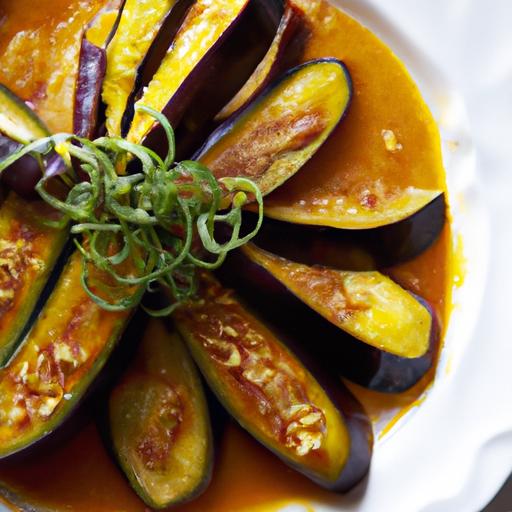



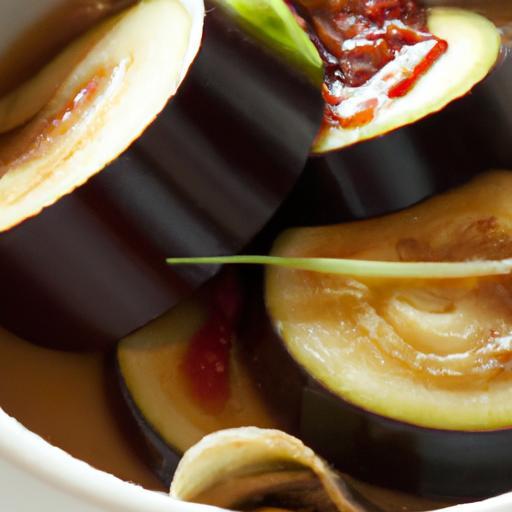
In the vibrant tapestry of Korean cuisine, few dishes capture the subtle elegance of seasonal flavors quiet like Gaji Namul. This savory steamed eggplant delight is a humble yet exquisite example of how simple ingredients, when prepared with care and tradition, transform into a harmonious symphony of taste and texture. From the silky softness of perfectly steamed eggplant to the delicate infusion of garlic, sesame, and soy, mastering Gaji Namul opens a gateway to understanding Korea’s deep-rooted culinary artistry. Join us as we unravel the secrets behind this beloved banchan, exploring techniques, tips, and cultural insights that will elevate your kitchen skills and bring a slice of Korea’s savory heritage to your table.
Gaji Namul: Mastering Korea’s Savory Steamed Eggplant Delight
Gaji Namul is a cherished Korean side dish that highlights the humble eggplant in its purest, most flavorful form. This beautifully simple dish captures the essence of Korean culinary tradition-transforming ordinary ingredients into an extraordinary taste experience through gentle steaming and bright, savory seasoning. Originating from the rich bounty of the Korean peninsula, gaji (eggplant) has long been celebrated for its tender texture and delicate sweetness, making it a perfect canvas for the vibrant, umami-packed flavors synonymous with namul preparations.
Prep and Cook Time
- Planning: 10 minutes
- Cooking (Steaming): 12 minutes
- Total Time: 22 minutes
Yield
Serves 4 as a flavorful banchan (side dish)
Difficulty Level
Easy – Perfect for cooks of all skill levels eager to explore authentic Korean flavors
Ingredients
- 3 medium Japanese eggplants (or Korean gaji), washed and trimmed
- 2 tbsp toasted sesame oil
- 1 tbsp soy sauce (Korean ganjang preferred)
- 1 clove garlic, finely minced
- 1 tsp toasted sesame seeds
- 1 green onion, thinly sliced
- Pinch of salt, to taste
- Optional: A few shavings of dried seaweed (gim) for garnish
Instructions
- Select and prepare your eggplants: Choose Japanese eggplants with smooth, glossy skin and no blemishes for optimal flavor and texture. Slice each eggplant lengthwise into halves or quarters depending on size, ensuring consistent thickness for even steaming.
- Steam the eggplant: Arrange the eggplant pieces in a single layer on a steaming rack. Cover and steam over boiling water for 10-12 minutes, or until tender and easily pierced by a fork.
- Cool and drain: Remove from heat and allow the steamed eggplants to cool slightly. Gently press between kitchen towels to remove excess moisture,avoiding mushiness.
- Season the namul: In a mixing bowl,combine the minced garlic,soy sauce,and toasted sesame oil. Add the cooled eggplant pieces and toss gently, coating evenly without breaking the flesh.
- Finish with garnishes: Sprinkle sesame seeds and sliced green onions over the seasoned eggplant. For extra umami, add thin shavings of dried seaweed on top.
- Serve immediately or chill: Gaji Namul can be served warm or cold, making it an adaptable side dish for any meal.
Tips for Success
- choosing the right eggplant: Japanese eggplants offer a silkier, less bitter profile than globe varieties, yielding a creamy texture after steaming.
- Steaming rather of boiling: Steaming retains the eggplant’s vibrant color and natural sweetness, preventing sogginess and nutrient loss.
- Drain well: Eggplants absorb moisture, so pressing out excess liquid prevents your gaji namul from becoming watery.
- Customizing flavor: Swap soy sauce with gluten-free tamari or add a touch of gochugaru (Korean red pepper flakes) for a gentle heat.
- Make-ahead pleasant: Prepare the namul a few hours in advance to let flavors meld beautifully in the fridge; bring to room temperature before serving.
Serving Suggestions
This savory, tender gaji namul pairs beautifully with a bowl of steamed rice and other classic Korean banchan. For a visually stunning presentation, plate the eggplants on a long ceramic platter and garnish with fresh chives or microgreens alongside a small dipping dish of extra soy sauce mixed with a splash of vinegar.Elevate your meal further by adding it to a bibimbap bowl or serving alongside grilled meats for contrast in texture and flavor.

| Nutrient | Per Serving |
|---|---|
| Calories | 65 kcal |
| Protein | 1.2 g |
| carbohydrates | 8 g |
| Fat | 3.5 g |
For a deeper dive into Korean vegetable sides and to expand your culinary repertoire, check out our article on Kimchi Making Basics. To explore the nutritional benefits of eggplant, visit this Healthline article on eggplant nutrition.
Q&A
Q&A: Mastering Gaji Namul – Korea’s Savory Steamed Eggplant Delight
Q1: What is Gaji Namul?
A1: Gaji Namul is a beloved Korean side dish (banchan) featuring tender steamed or boiled eggplant, seasoned with a savory blend of soy sauce, garlic, sesame oil, and sometimes a touch of chili. It’s a simple yet flavorful dish that highlights the natural umami of eggplant, making it a staple in Korean home cooking.
Q2: Why is Gaji Namul so popular in Korean cuisine?
A2: Koreans cherish dishes that balance nutrition, flavor, and texture. Gaji Namul combines silky eggplant with aromatic seasonings, delivering a light but satisfying side that complements robust main dishes. Its ease of preparation and versatility in meals-from everyday lunches to festive spreads-has cemented its place in Korean food culture.
Q3: What type of eggplant is best for making gaji Namul?
A3: Korean cuisine typically uses the slender, dark purple Asian eggplant, which is less bitter and has a more delicate texture than the larger globe varieties found elsewhere. However, if Asian eggplants aren’t available, you can substitute with regular purple eggplants-just make sure to slice and steam them evenly to achieve that melt-in-the-mouth consistency.
Q4: How do you prepare the eggplant for Gaji Namul?
A4: The secret to perfect Gaji Namul lies in steaming the eggplant until it’s just tender, not mushy. This preserves its structure and creamy texture. After steaming, the eggplant is gently pressed or shredded to absorb the flavorful sauce fully. Some cooks also salt the slices beforehand to reduce bitterness and excess moisture, but this step is optional depending on preference.
Q5: What seasonings bring Gaji Namul to life?
A5: The magic comes from a harmonious mix of soy sauce for saltiness, minced garlic for pungency, toasted sesame oil for nuttiness, and a sprinkle of toasted sesame seeds for crunch. A hint of chili flakes or gochugaru can add subtle heat,while a small splash of rice vinegar or a pinch of sugar balances the flavors with acidity and sweetness.
Q6: Can Gaji Namul be enjoyed warm, or is it best served cold?
A6: Traditionally, Gaji Namul is served at room temperature or slightly chilled alongside rice and other banchan. However, it can also be comforting when enjoyed warm, especially during colder months. Its adaptable temperature makes it suitable for various occasions and preferences.
Q7: Are there any creative twists to the classic Gaji Namul recipe?
A7: Absolutely! Some modern takes include tossing in chopped fresh herbs like perilla leaves or scallions, adding a drizzle of chili oil for an extra kick, or mixing in finely diced bell peppers for added crunch and color. For a fusion spin, try pairing Gaji Namul with grilled meats or as a topping on rice bowls and noodles.
Q8: How does Gaji Namul contribute to a balanced Korean meal?
A8: Gaji Namul provides a vegetable component full of fiber, antioxidants, and vitamins, complementing protein-heavy dishes like bulgogi or grilled fish. Its mild flavors and silky texture offer palate relief and balance, embodying the Korean principle of harmonious taste and nutrition.Q9: What tips can help beginners master Gaji Namul at home?
A9: Keep these in mind: Use fresh, firm eggplants for the best texture; steam rather than boil to prevent sogginess; season gradually, tasting as you go; and let the dish rest for a few minutes to allow flavors to meld. With patience and practise, you’ll unlock the subtle yet captivating charm of this Korean favorite.Q10: Where can one experience authentic Gaji Namul outside korea?
A10: While many Korean restaurants include Gaji Namul during banchan service, authentic renditions shine in homemade meals or traditional Korean eateries that prioritize classic recipes. Exploring Korean markets to gather fresh ingredients and trying your hand at making it yourself can be the best way to appreciate this humble yet delightful dish.
To Wrap It Up
As you embark on your own culinary adventure with Gaji Namul, remember that this humble steamed eggplant dish is more than just a side-it’s a festivity of Korea’s vibrant flavors and time-honored techniques. Mastering Gaji Namul opens the door to a world where simplicity meets sophistication, where each tender bite tells a story of tradition and care.So whether you’re a seasoned foodie or a curious novice, let this savory delight inspire your kitchen creations and deepen your recognition for Korea’s rich culinary tapestry. Happy cooking, and may your Gaji Namul always be perfectly tender and wonderfully seasoned!