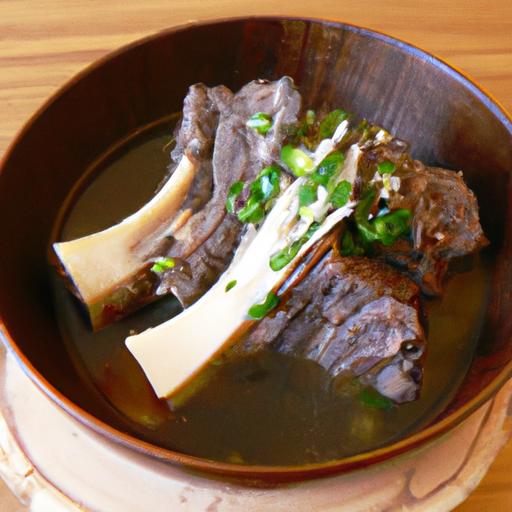
In the world of comfort foods, few dishes carry the warmth and soul-soothing qualities of a well-crafted bowl of soup. Among these culinary treasures, Galbitang – the customary Korean beef short rib soup – stands out not only for its rich, savory depth but also for its remarkable healing properties. Steeped in centuries-old tradition, galbitang is more than just a hearty meal; it’s a restorative elixir that nurtures the body and revitalizes the spirit. join us as we unveil the secrets behind this beloved dish’s nourishing power, exploring how every tender rib and clear broth sip tells a tale of wellness, culture, and culinary artistry.
Galbitang Unveiled: The healing Power of Beef Short Rib Soup
Galbitang, a timeless Korean beef short rib soup, is much more than a comforting bowl of broth and meat-it’s a culinary masterpiece steeped in history and renowned for its restorative qualities. This soul-soothing soup originates from centuries-old royal Korean kitchens, where it was cherished for both its rich flavor and nourishing properties.Discover how to embrace this traditional dish’s essence and craft your own healing elixir in your kitchen.
Prep and Cook Time
- Preparation: 30 minutes
- cooking: 2 hours 30 minutes
- Total Time: Approximately 3 hours
Yield
Serves 6 hearty bowls
Difficulty Level
medium – Ideal for excited home cooks ready to explore traditional Korean flavors with some patience and care
Ingredients
- 2 lbs beef short ribs, cut into 2-inch pieces, well-trimmed
- 10 cups cold water
- 1 medium Korean radish (mu), peeled and cut into large chunks
- 1 large onion, peeled and halved
- 6 cloves garlic, smashed
- 2 slices fresh ginger
- 2 green onions, tied in a knot
- 1 tablespoon whole black peppercorns
- 1 tablespoon soy sauce (for seasoning)
- Salt to taste
- 4 eggs (optional, for garnish)
- 1 bunch scallions, thinly sliced for garnish
- Cooked short-grain white rice, to serve alongside
Instructions
- Prepare the short ribs: Rinse the ribs under cold water to remove any impurities. Place ribs in a large pot with cold water and bring to a boil.Boil rapidly for 5 minutes, then drain and rinse the ribs to remove scum. This step ensures a clear, clean broth.
- Simmer the broth: Return the ribs to a clean pot with 10 cups of water. Add the Korean radish, onion, garlic, ginger, green onions, and peppercorns.Bring to a gentle boil, then reduce to a low simmer. Skim off any foam that rises to the surface for a pristine broth. cover and simmer gently for 2 to 2½ hours, or until the meat is tender and flavor is deeply infused.
- Remove the aromatics: Once the meat is tender, remove the radish, onion, ginger, garlic, and green onions with a slotted spoon. Reserve the Korean radish to slice thinly for garnish if desired.
- Season the soup: Add soy sauce and salt gradually, tasting as you go. The flavor should be savory but delicate. Keep the heat at low to maintain warmth without boiling.
- Serve the beef: Remove the short ribs, let cool slightly, then shred or slice the meat neatly off the bones.
- Optional egg garnish: Gently poach 4 eggs in simmering water for about 3 minutes or until the whites are set. Remove carefully with a slotted spoon.
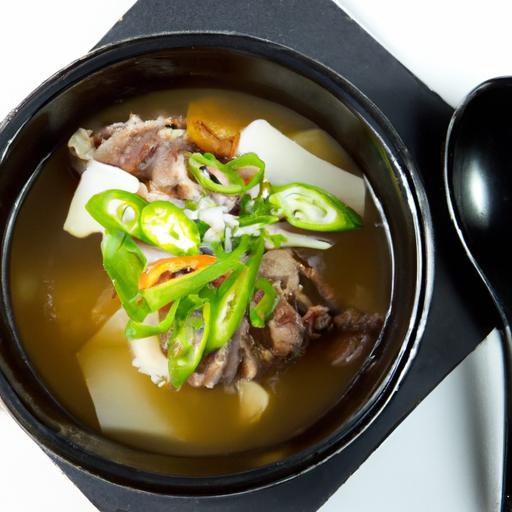
- Assemble and garnish: Ladle the hot broth into bowls, add shredded beef, sliced radish, and poached eggs. Sprinkle with thinly sliced scallions for a vibrant finish.
- Enjoy: Serve hot with steamed short-grain rice on the side, encouraging each diner to savor this nourishing classic in every spoonful.
Chef’s notes
- Broth clarity tip: Skimming actively during the first hour of simmering yields an elegant clear broth reminiscent of traditional Korean house recipes.
- Alternate seasoning: For a subtly deeper umami, swap soy sauce for tamari or add a splash of fish sauce at the end.
- Vegetarian adaptation: Use dried shiitake mushrooms and kombu seaweed simmered gently as a base; swap beef ribs for firm tofu cubes or seitan.
- Make-ahead: Galbitang tastes even better the next day once flavors meld. Refrigerate the broth and meat separately for up to 3 days or freeze for up to 2 months.
Serving Suggestions
Present Galbitang in large earthenware bowls to highlight its rustic roots.garnish generously with fresh scallions and thinly sliced Korean radish for crunchy contrast. Encourage guests to add fresh chili flakes or a drizzle of toasted sesame oil for an added flavor spark. Pair with a side of kimchi and steamed rice for a true Korean dining experience that balances warmth and refreshment.

| Nutrient | Per Serving |
|---|---|
| Calories | 350 kcal |
| Protein | 38 g |
| Carbohydrates | 8 g |
| Fat | 14 g |
For more traditional Korean soup recipes and tips, explore our complete guide to Korean soups. To understand the historical context and nutritional science behind bone broths worldwide, visit this study on broth’s health benefits.
Q&A
Q&A: Galbitang Unveiled: The Healing Power of Beef Short Rib Soup
Q1: What exactly is Galbitang?
A1: Galbitang is a traditional Korean soup crafted from tender beef short ribs simmered slowly with aromatic radish, garlic, and scallions. The result is a clear, savory broth that warms both body and soul. It’s a dish that’s been cherished for generations, often enjoyed during colder months or whenever a comforting, nourishing meal is needed.
Q2: why is Galbitang considered a healing soup?
A2: Beyond its delightful taste, Galbitang is celebrated for its restorative properties. The long simmering of beef short ribs releases collagen, minerals, and amino acids-nutrients that support joint health, boost the immune system, and aid digestion. The clear broth provides hydration and essential electrolytes, making it an ideal recuperative meal for those recovering from illness or fatigue.
Q3: How does Galbitang embody the philosophy of Korean cuisine?
A3: Korean cuisine often emphasizes balance, nutrition, and harmony with nature, and Galbitang is a perfect embodiment of this. It combines simple, wholesome ingredients cooked patiently to extract maximum flavor and nourishment. Every spoonful reflects the Korean belief that food is medicine, designed not just to satisfy hunger but to heal and energize the body.
Q4: What makes beef short ribs the star ingredient in Galbitang?
A4: Beef short ribs are prized for their rich marbling and connective tissue, which break down during slow cooking to enrich the broth with deep flavor and beneficial gelatin. This gelatin aids in digestive health and skin vitality, making short ribs an ingredient that delivers both taste and therapeutic benefits.
Q5: Can Galbitang be customized for diffrent health needs or preferences?
A5: Absolutely! While the classic recipe is a beautiful balance, variations abound. some add medicinal herbs like ginseng or jujubes to boost energy and immunity, others incorporate more vegetables for extra vitamins and fiber. it’s a versatile soup that can be tailored thoughtfully to suit individual wellness goals.
Q6: How can one best enjoy Galbitang to unlock its healing powers?
A6: To truly absorb Galbitang’s benefits, savor it slowly, enjoying the warmth and depth of the broth alongside steamed rice. It’s frequently enough served simply to appreciate its purity. Eating Galbitang mindfully, as part of a balanced diet and restful routine, allows its gentle restorative properties to nurture your body and spirit.
Q7: Is Galbitang suitable for all seasons or just winter?
A7: While traditionally favored in colder months for its warming qualities, Galbitang’s lightweight broth and nourishing profile make it suitable year-round. Its clear, refreshing taste can invigorate during hot summer days, especially when served with light accompaniments.
Q8: Where can newcomers experience authentic Galbitang?
A8: Authentic galbitang is a staple in Korean households and beloved restaurants worldwide. Seek out traditional Korean eateries or explore cooking it at home with quality beef short ribs and patience in simmering-the magic unfolds slowly but surely in your kitchen pot.
Galbitang is more than just a soup; it is indeed a culinary embrace-a healing ritual steeped in history, flavor, and wellness. Whether you’re seeking comfort, recovery, or simply a delicious meal that replenishes, Galbitang invites you to take a restorative journey, one spoonful at a time.
To Conclude
As we simmer down our exploration of galbitang, it becomes clear that this humble beef short rib soup is much more than a comforting meal-it’s a warm embrace for the body and soul. Rooted deeply in Korean tradition, Galbitang offers a nourishing blend of rich flavors and restorative qualities that have been cherished for generations. Whether enjoyed on a chilly day or as a remedy to revive weary spirits, this healing broth invites us to savor not just its taste, but the stories and care steeped within every simmering pot. So the next time you crave a dish that heals as much as it delights, let Galbitang’s gentle warmth remind you of the timeless power of food as medicine.