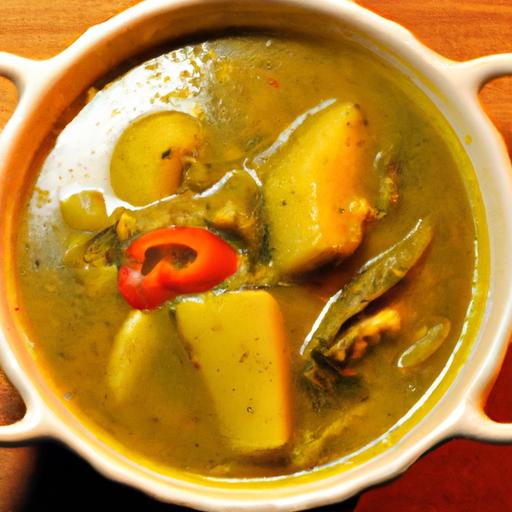

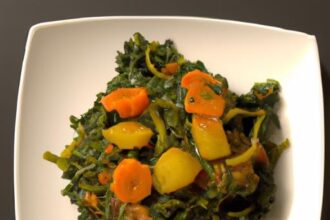
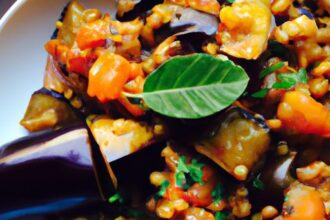
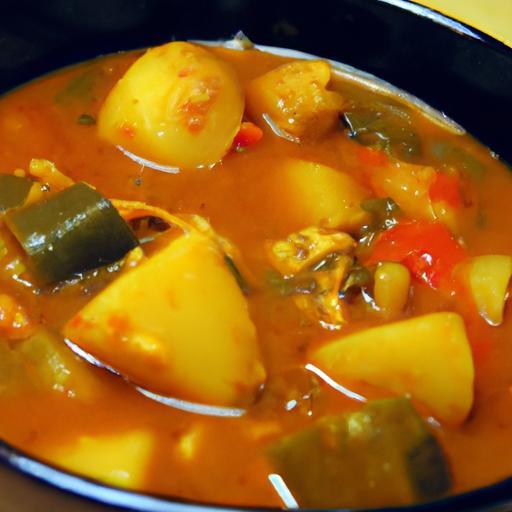
Nestled within the vibrant tapestry of West African cuisine, Ghanaian dishes tell stories as rich and deep as the cultures that inspire them. Among these culinary treasures, Garden Egg Stew stands out-a humble yet profoundly flavorful creation that captivates the palate with each spoonful.This vibrant stew, centered around the uniquely textured and subtly tangy garden eggs (also known as African eggplants), is more than just a meal; it is indeed a party of tradition, community, and nature’s bounty.In this article, we embark on a flavorful journey to savor Ghana through the luscious hues, aromatic spices, and soulful essence of Garden Egg Stew, inviting you to explore the heart and heritage simmering in every pot.
Garden egg stew holds a cherished place in Ghanaian cuisine, celebrated not only for its vibrant, earthy flavors but also for its deep cultural roots. Savoring Ghana: The Rich Flavors of Garden Egg stew invites food lovers into a world where humble ingredients like garden eggs-a variety of small, bitter eggplants-transform into a luscious, comforting dish that tells a story of home, tradition, and community.
Prep and Cook Time
- Preparation: 15 minutes
- Cooking: 35 minutes
- Total: 50 minutes
Yield
Serves 4 hearty portions
Difficulty Level
Medium – perfect for cooks looking to explore authentic West african flavors with approachable techniques.
The Origins and Cultural Importance of Garden Egg Stew
Originating predominantly from Ghana’s Ashanti and coastal regions, garden egg stew embodies the resourcefulness and vibrancy of Ghanaian food culture. Historically, garden eggs have been nurtured in local home gardens, symbolizing sustainability and the spirit of sharing. This stew is ofen served during family gatherings, festivals, and as comfort food after long harvest days. Its bittersweet depth balances the tropical heat of Ghana,reinforcing communal dining traditions and showcasing indigenous produce.
Key Ingredients and Their Unique Contributions to Flavor
- Garden Eggs: Their slight bitterness provides a complex backbone, enhanced by roasting that imparts smokiness.
- Tomatoes: A rich, tangy base that adds vibrant acidity and a sunny red color.
- Onions and Scotch bonnets: Layered aromatics that build depth and bring a subtle heat.
- Palm oil: The quintessential ingredient lending a nutty,fragrant richness and striking orange hue.
- smoked fish or dried shrimp (optional): Adds umami intensity and traditional Ghanaian flavor authenticity.
Step-by-Step Guide to Preparing Authentic Garden Egg Stew
- Prepare the garden eggs: Wash and roast the garden eggs over an open flame or under a broiler until the skins char and blister. This step deepens the flavor. Once cooled, peel off the blackened skin and chop roughly.
- Make the base: Blend 3 medium ripe tomatoes, 1 large onion, and 2 scotch bonnets until smooth but not watery.
- Sauté the aromatics: Heat 4 tablespoons of palm oil in a deep pan over medium heat.Add 1 cup of finely chopped onions and sauté until golden brown, about 7 minutes, stirring frequently.
- Add the blended tomato mixture: pour into the pan and cook for 10 minutes until the sauce thickens and the raw tomato taste diminishes.
- Incorporate the garden eggs: Stir in the roasted garden egg pieces, reduce heat to low, and simmer uncovered for 12 minutes, allowing flavors to meld.
- Add smoked fish or dried shrimp (optional): Flake the smoked fish and gently fold into the stew for that smoky depth.
- Season: Salt to taste and add freshly ground black pepper.
- Final touch: simmer for another 3 minutes, then remove from heat and let it rest covered for a few minutes before serving.
Tips for Success When Making Garden Egg Stew
- Roasting is key: Don’t skip the roasting of garden eggs. It unlocks their signature flavor and smooth texture.
- Palm oil alternatives: If unavailable, use red palm oil imported from West Africa (available online) or a mix of vegetable oil with a hint of paprika for color.
- Balance the bitterness: add a pinch of sugar if the stew tastes too bitter, a traditional technique some cooks use.
- Make ahead: This stew tastes even better the next day as the flavors intensify. Refrigerate and reheat gently before serving.
Perfect Pairings and Serving Suggestions for an Unforgettable Meal
Garden egg stew shines when paired with starchy accompaniments that soak up its luscious sauce. serve it over steaming white rice for a classic experience or alongside fufu, a soft fermented cassava and plantain dough, for a more traditional Ghanaian feast. Garnish with fresh chopped parsley or spring onions to add a pop of color and freshness. For a vibrant table, include fried plantains on the side and a light cucumber salad to balance the stew’s richness.
| Nutrient | per Serving |
|---|---|
| Calories | 220 kcal |
| Protein | 8 g |
| Carbohydrates | 18 g |
| Fat | 14 g |
Ingredients
- 6 medium garden eggs (roasted and peeled)
- 3 medium ripe tomatoes, blended
- 1 large onion, half blended with tomatoes, half finely chopped
- 2 scotch bonnet peppers (adjust to heat preference)
- 4 tablespoons red palm oil
- 1 cup smoked fish (optional), flaked and cleaned
- 1 teaspoon salt, or to taste
- Freshly ground black pepper, to taste
- chopped parsley or spring onions for garnish

Explore another rich Ghanaian classic in our Peanut Soup Recipe. For an in-depth cultural insight, visit the Britannica Ghana Overview.
Q&A
Q&A: Savoring Ghana – The Rich Flavors of Garden Egg Stew
Q1: What exactly is garden egg stew, and why is it such a beloved dish in Ghana?
A1: Garden egg stew is a vibrant, flavorful Ghanaian dish centered around the garden egg-a small, egg-shaped variety of African eggplant. This stew uniquely marries the slightly tart, creamy texture of garden eggs with ripe tomatoes, peppers, and fragrant spices. Beloved across Ghana, it’s cherished not just for its taste but also for its cultural significance and versatility, often served alongside staples like rice balls (omo tuo) or fried plantains.
Q2: How do garden eggs differ from the common eggplants we see in Western markets?
A2: Unlike the large, glossy purple eggplants common in Western cooking, garden eggs are smaller, round or oval, and often pale green or white, sometimes with a speckled pattern.Their flavor is more subtly bitter and earthy, which creates a lovely contrast when cooked into stews. This distinct taste allows garden eggs to stand out as a unique ingredient central to West African cuisine.
Q3: What are the essential ingredients that define a traditional Ghanaian garden egg stew?
A3: At its core, the stew features garden eggs, fresh tomato purée, palm oil or vegetable oil, onions, garlic, and Scotch bonnet peppers for heat. Some recipes include smoked fish or shrimp to deepen the umami complexity, while others keep it vegetarian.Key seasonings often involve ginger, salt, and local spices that elevate the stew’s earthy and slightly tangy profile.
Q4: why is palm oil often the fat of choice in garden egg stew?
A4: Palm oil is treasured in Ghanaian cooking for its rich, reddish hue and distinctive aroma, which imparts a nutty, slightly sweet flavor to the stew. It not only binds the ingredients together but also adds depth and authenticity.using palm oil pays homage to the stew’s roots, though some modern variations use vegetable oils for a lighter touch.
Q5: Can garden egg stew be adapted for those unfamiliar with West African ingredients?
A5: Absolutely! While the fresh garden egg may be elusive outside African markets, substitutes like small Asian eggplants or even green tomatoes can mimic some aspects of the flavor and texture. The key is to capture the balance of bitterness, tanginess, and spice by combining ingredients thoughtfully. Adding smoky paprika can replicate that traditional depth when smoked fish isn’t available.
Q6: What makes garden egg stew more than just a meal-why is it considered a cultural experience?
A6: Garden egg stew embodies the spirit of Ghana-its vibrant markets,communal meals,and love of bold flavors. Preparing and sharing the stew reflect traditions passed down through generations,celebrating the country’s agricultural heritage and communal ties. Eating it is an immersive taste journey that connects one to Ghana’s land, peopel, and history.
Q7: How would you recommend serving garden egg stew to maximize the flavor experience?
A7: Serve garden egg stew piping hot alongside Ghanaian staples like fufu, banku, or steamed rice balls, which help soak up the rich sauce. Accompany it with fried plantains or freshly chopped salad for contrast. Garnishing with fresh herbs or a squeeze of lime can add brightness. the key is pairing the hearty stew with neutral, starchy sides that highlight its complex flavors.
Q8: What final advice would you give to someone cooking garden egg stew for the first time?
A8: Embrace the process with patience-allow the garden eggs to soften and meld with the tomatoes and spices slowly. Don’t shy away from experimenting with heat and smoke to suit your palate. Most importantly, savor the stew as more than nourishment; it’s a appetizing portal into Ghana’s culinary soul.
In Retrospect
as the final spoonful of garden egg stew lingers on the palate, it’s clear that this humble dish carries far more than just vibrant flavors-it embodies the heart of Ghanaian culture and the warmth of communal tradition. From the tangy bite of the garden eggs to the rich,spicy embrace of its tomato-based sauce,every element tells a story steeped in history and culinary artistry. Whether enjoyed in a bustling Accra market or recreated in a distant kitchen, garden egg stew invites us all to savor not just a meal, but a timeless connection to Ghana’s soulful heritage. So next time you seek a dish that delights the senses and nourishes the spirit, let garden egg stew be your flavorful gateway to the vibrant tastes of Ghana.