


When the sun blazes high and the summer air feels heavy, nothing soothes the senses quite like a bowl of gazpacho. This classic Spanish cold soup, bursting with vibrant reds, greens, and herbs, has long been a refreshing staple in Mediterranean kitchens. But what if we could take this beloved tradition and reimagine it through a wholly plant-based lens? Enter the refreshing vegan Spanish gazpacho-a lively, nutrient-packed twist on the original that honors its rich heritage while embracing modern, compassionate cooking. In this article, we’ll explore how to craft this colorful, chilled delight that not only cools and invigorates but also celebrates the abundance of nature’s garden.
Refreshing Vegan Spanish Gazpacho offers a vibrant taste of Andalusia’s sun-drenched fields, blending ripe vegetables and aromatic herbs into a chilled, invigorating dish that’s been savored for centuries. This cold soup not only refreshes the palate but tells a fascinating story of cultural evolution, from its humble rustic roots to a globally embraced vegan classic.
The Origins and Evolution of Spanish gazpacho
Gazpacho traces back to southern Spain, where farmers crafted this cold soup centuries ago using stale bread, garlic, olive oil, vinegar, and local vegetables. Its origins lie in the practical necessity for a nourishing, cooling meal during the blazing summer months. Over time, the traditional recipe flourished, incorporating fresh tomatoes and cucumbers following the Columbian exchange. Today’s Refreshing Vegan Spanish Gazpacho retains these authentic Mediterranean flavors while embracing plant-based living, offering a nutrient-rich and allergen-pleasant option that honors tradition yet speaks to modern sensibilities.
Key Ingredients That Define Authentic Flavor
To capture the essence of traditional gazpacho, the ingredients must be fresh and high-quality. The backbone of this soup is an intertwining of:
- Ripe Roma tomatoes,bursting with natural sweetness and acidity,are essential for vivid color and flavor.
- Crisp cucumber,peeled and deseeded to avoid bitterness and maintain a silky mouthfeel.
- Green bell pepper, adds subtle earthiness and complexity.
- Extra virgin olive oil, cold-pressed for its fruity, peppery notes that unify the dish.
- Red wine vinegar, providing a radiant, tangy bite that balances the richness.
- Fresh garlic, carefully balanced to avoid overpowering, enhancing depth.
- Day-old country bread, for thickening and a touch of rustic rusticity, blended smoothly into the soup.
- Pinch of sea salt and freshly ground black pepper, harmonizing every element.
The combination of these ingredients ensures the classic soul of gazpacho is never lost-even within this vegan rendition.
Creative Twists to Elevate your Vegan Gazpacho
While honoring tradition is vital, don’t hesitate to experiment. try layering flavors with roasted red peppers or heirloom tomatoes for sweetness and smokiness. Adding a splash of freshly squeezed orange juice or watermelon can introduce a refreshing, fruity undertone. To amp up texture, garnish with finely diced avocado, toasted pumpkin seeds, or fresh microgreens. A drizzle of vibrant basil pesto or a swirl of cashew cream will add luxurious creaminess without compromising the vegan ethos. These tweaks transform the dish into a sensory feast that dazzles as much visually as it does on the palate, elevating your Refreshing Vegan Spanish Gazpacho above the expected.
Expert Tips for Perfect Texture and Presentation
- Blend gradually: Start by pulsing coarsely before blitzing to achieve a velvety, yet slightly textured finish-this keeps the soup lively and far from flat.
- Chill adequately: Refrigerate the gazpacho for at least 2 hours to allow flavors to meld and the soup to cool perfectly-overnight chilling intensifies the taste.
- Strain carefully: For an ultra-smooth texture, use a fine-mesh sieve; for a rustic bite, serve as-is.
- Balance acidity and oil: Taste and adjust vinegar and olive oil before serving; the perfect gazpacho is bright, rich, and harmonious.
- Garnish with contrast: Fresh herbs like parsley or cilantro, finely chopped peppers, or a sprinkling of smoked paprika create enticing visual and flavor layers.
- Serve chilled in cold bowls: This enhances the refreshing quality and keeps each spoonful cool longer.
Prep and Cook Time
- Readiness: 15 minutes
- Chilling: 2-4 hours minimum
- Total Time: Approximately 2 hours 15 minutes
Yield
Serves 4 generous portions
Difficulty Level
Easy – Perfect for both beginners and seasoned cooks aiming to impress with minimal effort.
Ingredients
- 6 ripe Roma tomatoes, quartered
- 1 large cucumber, peeled, deseeded, chopped
- 1 green bell pepper, seeded and chopped
- 2 cloves garlic, minced
- 2 cups day-old country bread, crust removed, torn into pieces
- 1/4 cup extra virgin olive oil
- 3 tbsp red wine vinegar (adjust to taste)
- 1 tsp sea salt
- Freshly ground black pepper, to taste
- 1 cup cold filtered water (add more for thinner consistency)
- Optional garnishes: diced avocado, fresh basil, toasted pumpkin seeds, smoked paprika
Instructions
- Prepare the bread: Place torn bread pieces into a large mixing bowl and soak with cold water for 5 minutes until softened.Squeeze out excess water gently without discarding the soaking liquid.
- Blend the vegetables: In a high-speed blender, combine tomatoes, cucumber, bell pepper, garlic, and drained bread. Pulse to break down, then blend continuously until mostly smooth but retaining a slight texture.
- Add liquids and season: Pour in olive oil, red wine vinegar, salt, black pepper, and 1 cup cold water or reserved bread soaking liquid. Blend for another 30 seconds to emulsify the ingredients well.
- Strain (optional): For silky smooth gazpacho, push the mixture through a fine sieve into a clean bowl using a spatula, discarding seeds and skins. If you prefer heartier texture,skip this step.
- chill: Cover and refrigerate the gazpacho for at least 2 hours to allow flavors to develop fully and soup to become icy cold.
- Adjust seasoning: Before serving, taste and add more vinegar, salt, or olive oil if needed to balance flavor perfectly.
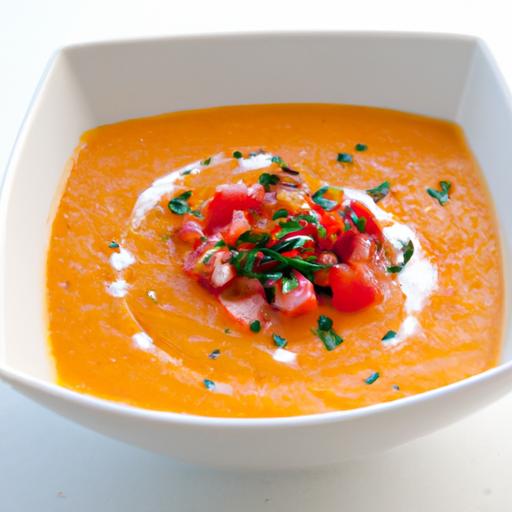
- Serve: Ladle into chilled bowls or glasses,then garnish creatively with avocado cubes,fresh herbs,and a sprinkle of smoked paprika or toasted seeds for inviting texture and color contrast.
Chef’s Notes: Tips for Success
- Use the ripest tomatoes possible to avoid a bitter or bland outcome.
- If you prefer a thinner soup, gradually stir in cold water until you reach your desired consistency.
- Gazpacho improves with time-make it a day ahead to let the flavors harmonize beautifully.
- To intensify garlic, roast it lightly before adding, creating a mellow sweetness.
- Swap the country bread with gluten-free alternatives if preferred, or omit entirely for a paleo-style version, just add more liquid.
- For a protein boost, serve with a side of crunchy toasted chickpeas or sprinkle hemp seeds over the top.
Serving Suggestions
Present your Refreshing Vegan spanish Gazpacho in clear bowls or stemmed glasses for a sophisticated touch.Garnishing with vibrant fresh basil leaves, microgreens, or finely diced red bell pepper adds pops of color that entice the eye. Pair it with rustic vegan tapas such as marinated olives, almond-stuffed piquillo peppers, or grilled vegetable skewers for an authentic Spanish experience. A crisp Spanish white wine or sparkling water with lemon wedges complements the dish wonderfully, heightening its refreshing appeal.
| Nutrient | Per Serving |
|---|---|
| Calories | 140 |
| Protein | 4g |
| Carbohydrates | 18g |
| Fat | 7g |
| Fiber | 5g |

For a deeper dive into Mediterranean plant-based dishes, visit our Mediterranean Vegan Recipes Collection. To learn more about the history of Spanish cuisine, the Encyclopedia Britannica’s Gazpacho entry offers complete insights.
Q&A
Q&A: refreshing Vegan Spanish Gazpacho – A Classic Reimagined
Q1: What is gazpacho, and why is it considered a classic Spanish dish?
A1: Gazpacho is a chilled tomato-based soup originating from Andalusia in southern Spain. Traditionally enjoyed during sweltering summer months, it’s celebrated for its vibrant flavors, refreshing coolness, and rustic simplicity. This cold soup blends ripe tomatoes, cucumbers, peppers, garlic, and olive oil into a harmonious medley that’s both nourishing and invigorating-a true taste of Spanish sunshine in a bowl.
Q2: How does a vegan gazpacho differ from the traditional version?
A2: The beauty of gazpacho lies in its plant-based origins-its classic recipe is naturally vegan, relying solely on fresh vegetables, olive oil, and herbs. However,some traditional variations may include bread or garnishes like hard-boiled eggs,anchovies,or ham bits. A reimagined vegan gazpacho boldly embraces whole, raw ingredients and creative toppings, offering a wholesome and allergy-friendly twist while preserving the soul of the dish.
Q3: What ingredients make a vegan gazpacho truly refreshing?
A3: The secret to a perfectly refreshing vegan gazpacho lies in choosing the freshest, ripest vegetables-sun-kissed tomatoes bursting with juice, crisp cucumbers, sweet red bell peppers, and a touch of zesty garlic. Extra virgin olive oil introduces richness, while sherry vinegar or lemon juice brightens the flavor with acidity. Serving it chilled and garnished with fresh herbs, diced veggies, or crunchy nuts amps up the cooling crunch and textural contrast.
Q4: Are ther any creative twists to make vegan gazpacho more exciting?
A4: Absolutely! Think beyond the classic recipe-add watermelon or strawberries for subtle sweetness, toast cumin or smoked paprika for an earthy depth, or blend in avocado for silky creaminess. Garnishes like toasted pumpkin seeds, fresh basil chiffonade, or a drizzle of smoky almond cream can elevate the gazpacho experience. Each twist invites new layers of flavor while maintaining the dish’s inherently fresh and vibrant essence.
Q5: How can gazpacho fit into a balanced vegan lifestyle?
A5: Gazpacho is a nutrition powerhouse wrapped in a refreshing package-it’s packed with vitamins, antioxidants, and hydrating liquids from fresh vegetables while being naturally low in calories and fat. This makes it a perfect starter or light meal in a vegan diet, especially during hot weather when heavy foods feel less appealing. It’s also incredibly versatile, encouraging mindful eating and a celebration of seasonal produce.
Q6: Any tips for making the perfect vegan gazpacho at home?
A6: For the best results, start with top-quality produce-local, seasonal, and fully ripe. Blend the vegetables gently for a slightly chunky texture or fully purée for a smooth sip. Season gradually-taste, adjust acidity, salt, and oil to balance flavors.Chill the soup for at least a couple of hours to let the flavors meld.don’t be shy with garnishes; they create contrast and make each spoonful a new adventure.
Q7: Can vegan gazpacho be stored, and how long does it last?
A7: Yes, gazpacho can be stored in an airtight container in the refrigerator for up to 3 days. Its flavors often develop further after a night of chilling. However, fresh garnishes should be added just before serving to keep their texture and brightness. Because it’s served cold, it’s easy to prepare in advance, making it a fantastic choice for meal prep or entertaining.
With its vibrant colors, bold flavors, and simple ingredients, vegan gazpacho is a timeless dish perfectly suited for modern palates. Reimagining this Spanish classic means honoring tradition while inviting creativity-a appetizing way to refresh your table and your spirit.
To Conclude
As the summer sun warms our days, this refreshing vegan Spanish gazpacho invites us to slow down and savor the vibrant flavors of the Mediterranean. Reimagined with plant-based goodness, it’s more than just a classic chilled soup-it’s a celebration of fresh ingredients, bold colors, and the effortless harmony between tradition and innovation. Whether served as a light lunch, a stunning starter, or a revitalizing sip on a sunny afternoon, this gazpacho proves that simplicity can be extraordinary. So next time you crave something cool and nourishing, let this vegan twist on a timeless favorite transport you straight to the heart of Spain’s culinary soul.