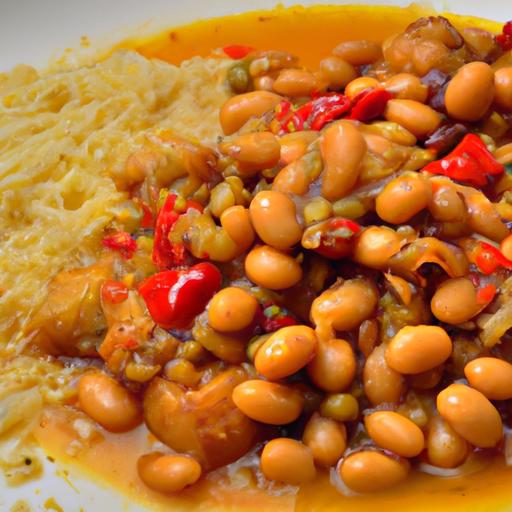
In the vibrant tapestry of Ghanaian cuisine, few dishes capture the heart and soul of it’s people quite like Gob3-a humble yet beloved fusion of beans and gari that has stood the test of time. More than just a meal, Gob3 is a nostalgic journey into the everyday kitchens and bustling street corners where tradition meets taste. This classic dish, with its rich textures and wholesome flavors, tells a story of resourcefulness, culture, and community. Join us as we explore the origins, preparation, and enduring charm of Ghanaian Gob3-the timeless beans and gari delight that continues to nourish both body and spirit.
Ghanaian Gob3,the beloved harmony of beans and gari,is a vibrant dish that tells a story of tradition,resilience,and community.Rooted in Ghana’s rich culinary heritage, this flavorful meal has long been cherished as a comforting street food and homemade staple. Its simplicity belies the depth of taste that comes from the perfect balance of earthy, tender beans combined with the crunchy, slightly tangy texture of gari. Growing up in Accra, I remember the irresistible aroma wafting through bustling markets, where vendors expertly layered freshly cooked beans atop crispy gari, garnishing with spicy shito or a squeeze of lime - an affirmation that every bite was a party of authentic Ghanaian flavor.
Prep and Cook Time
- Preparation: 20 minutes
- Cooking: 45 minutes
- Total Time: 1 hour 5 minutes
Yield
Serves 4 generous portions
Difficulty Level
Easy to Medium – Perfect for beginners eager to explore authentic Ghanaian cuisine
Ingredients
- 2 cups black-eyed peas or brown beans, soaked overnight and drained
- 1 cup gari (fermented cassava granules)
- 1 medium onion, finely chopped
- 2 cloves garlic, minced
- 1 fresh habanero pepper, chopped (optional for heat)
- 2 tablespoons palm oil or vegetable oil
- 1 teaspoon smoked paprika
- 1 teaspoon ground ginger
- Salt and pepper to taste
- Fresh lime wedges for serving
- Chopped fresh tomatoes and green onions (optional garnish)
Instructions
- Cook the Beans: In a large pot, add the soaked beans and cover with fresh water.Bring to a boil, then reduce to a simmer and cook until tender, about 40 minutes. Drain and set aside, reserving about ½ cup of bean broth.
- Sauté the Aromatics: Heat the palm oil in a skillet over medium heat. Add the chopped onion, garlic, and habanero pepper. Sauté until the onions become translucent and fragrant, about 5 minutes.
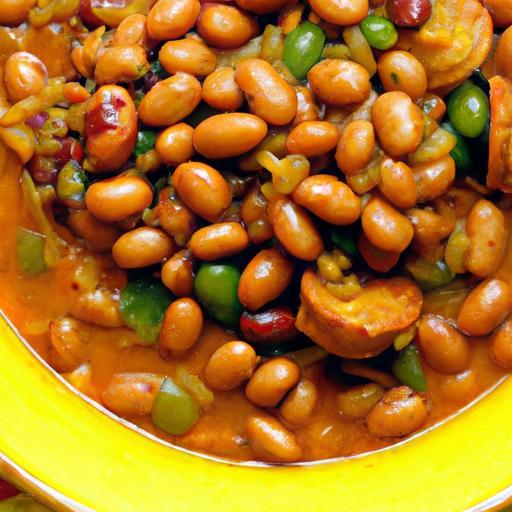
- Add Spices and Beans: Stir in the smoked paprika and ground ginger, cooking for 1 minute to release their aroma. Add the tender beans and reserved broth. Gently mash some beans with a wooden spoon to create a creamy texture but retain some whole beans for bite.
- Incorporate Gari: Remove the skillet from heat. Sprinkle the gari evenly over the beans and fold gently to combine. The gari will absorb excess moisture, adding delightful texture and a subtle tang. Taste and adjust seasoning with salt and pepper.
- Rest and Serve: Let the mixture rest for 5 minutes to allow flavors to meld and the gari to soften without becoming soggy.
- Plate the Dish: Spoon the Gob3 into serving bowls or onto plates.Garnish with fresh tomatoes, green onions, and a squeeze of lime for brightness.
Tips for Elevating Your Gob3 Experience with Flavorful variations
- Plant-based Protein Boost: Add chopped smoked tofu or tempeh sautéed with traditional spices for an extra protein punch.
- nutty Twist: Toss in a handful of roasted peanuts for a delightful crunch and nutty flavor that complements the earthy beans.
- Spicy Shito Sauce: Drizzle your serving with shito, the classic Ghanaian chili paste, to kick up the heat and complexity.
- Fresh Herbs: Experiment with fresh cilantro or parsley for a fresh, herbaceous note that brightens the dish.
- Make Ahead: Prepare the beans in advance and store separately from the gari. Assemble just before serving to preserve texture.
Serving Suggestions
Enjoy this quintessential Ghanaian comfort food warm, paired traditionally with Jollof Rice or a side of fried plantains. For an elevated brunch, top with a poached or fried egg and a sprinkle of fresh scallions. The interplay of creamy beans with the subtle crunch of gari creates a texture that excites the palate, while the tang from lime and vibrant shito sauce layers on the perfect burst of flavor.
| Nutrient | Per Serving |
|---|---|
| Calories | 320 kcal |
| Protein | 18 g |
| Carbohydrates | 45 g |
| Fat | 7 g |

Chef’s notes: Achieving the ideal consistency is key; too much gari can dry out the beans, while too little loses the signature crunch. If you prefer softer gari, lightly sprinkle it in stages while mixing.Beans can be swapped for any similar legume like black beans or kidney beans, though the authentic flavor shines most with black-eyed peas.Make this dish your own by adding a splash of coconut milk for richness or including diced avocado for creaminess on the side.
For more on West African cuisine and its diverse flavors, visit the Encyclopedia Britannica Cuisine Section.
Q&A
Q&A: Ghanaian Gob3 – The Classic Beans and Gari Delight Explored
Q1: What is Gob3, and why is it notable in Ghanaian cuisine?
A: Gob3 is a beloved Ghanaian dish composed primarily of stewed beans paired with gari (fermented cassava flakes). This humble yet hearty meal holds a special place in Ghanaian hearts as it’s not only affordable and filling but also deeply rooted in cultural tradition.Gob3 reflects the ingenuity of using simple, locally available ingredients to create a satisfying and nutritious meal.
Q2: How is the traditional Ghanaian Gob3 prepared?
A: Preparation starts with carefully cooking black-eyed peas or brown beans until tender.These beans are then simmered in a rich, flavorful tomato and pepper stew-often infused with onions, garlic, and sometimes smoked fish for an extra depth of taste. Meanwhile, gari is lightly roasted or soaked to soften it before being served alongside or mixed into the beans, balancing the savory stew with a slightly crunchy texture.
Q3: What makes Gob3 stand out compared to other bean dishes?
A: Gob3 stands out thanks to its unique pairing with gari, which is rarely found in global bean recipes. This combination creates a delightful contrast of textures and flavors-the beans’ creamy heartiness against the slightly gritty, tangy gari. It’s this marriage that provides an unmistakable Ghanaian flair, making Gob3 not just a dish but an experience.
Q4: Is Gob3 considered a street food or a home-cooked meal?
A: Gob3 comfortably occupies both spaces. It’s a popular street food sold by vendors across Ghana’s bustling markets and city streets, loved for its swift, satisfying qualities. Together, it’s a cherished home-cooked comfort food, passed down through generations and often enjoyed as a wholesome breakfast, lunch, or light dinner.
Q5: Can Gob3 be adapted for modern or health-conscious eaters?
A: Absolutely! While traditional recipes might use palm oil or smoked fish, modern cooks can opt for healthier oils like olive or avocado, and incorporate additional vegetables such as spinach or tomatoes to boost nutritional value. For those seeking plant-based options, simply omit animal products; Gob3’s robust bean stew is flavorful enough to delight without them.
Q6: What cultural stories or meanings are associated with Gob3?
A: Beyond its taste, Gob3 carries narratives of resilience and community. Beans have long been a staple for many Ghanaians, symbolizing sustenance and economic accessibility. The dish embodies the spirit of making the most with what’s at hand, reflecting themes of resourcefulness and togetherness-sharing a bowl of Gob3 often equates to sharing stories, laughter, and solidarity.Q7: Where can visitors best experience authentic Gob3 in Ghana?
A: To savor authentic Gob3, visiting local markets like Accra’s Makola Market or Kumasi’s Kejetia Market is a must. Street vendors there serve up fresh, steaming plates that capture the essence of Ghanaian everyday life. For a more homely twist, many family-run eateries across regions highlight their own treasured versions, where the recipe is handed down with pride.
Q8: What drinks or sides traditionally accompany Gob3?
A: Gob3 is frequently enough enjoyed with chilled palm wine, refreshing sobolo (hibiscus tea), or simple water to balance its richness. Some like to add spicy shito sauce or gari soaked in a bit of water as a side kick. The goal is to complement the beans and gari without overpowering their natural flavors.
Q9: How has Gob3 influenced or been represented in Ghanaian culture beyond food?
A: Gob3 transcends just being a meal-it’s referenced in music,proverbs,and local storytelling as a symbol of simplicity and contentment. It frequently enough pops up in films and plays that explore everyday ghanaian life, serving as a cultural touchstone that evokes nostalgia and pride.
Q10: What’s the best way for someone outside Ghana to try making Gob3 at home?
A: Start by sourcing black-eyed peas or brown beans and gari (available at African or international grocery stores). Cook the beans slowly in a spiced tomato stew,then serve with well-prepared gari. Don’t hesitate to experiment-add your own favorite spices or vegetables. Most importantly, embrace the dish’s soulful simplicity and enjoy a taste of Ghanaian heritage right in your own kitchen.
In Conclusion
As we conclude our flavorful journey through the world of Ghanaian Gob3, it’s clear that this humble dish is much more than just beans and gari. It embodies tradition, comfort, and a unique culinary heritage that has satisfied generations. Whether enjoyed as a quick snack on the bustling streets of Accra or savored at family gatherings, Gob3 stands as a testament to Ghana’s rich food culture-simple, nourishing, and deeply rooted in community spirit. So, the next time you seek a taste that’s authentically Ghanaian, remember that the classic beans and gari delight awaits, ready to tell its story one bite at a time.