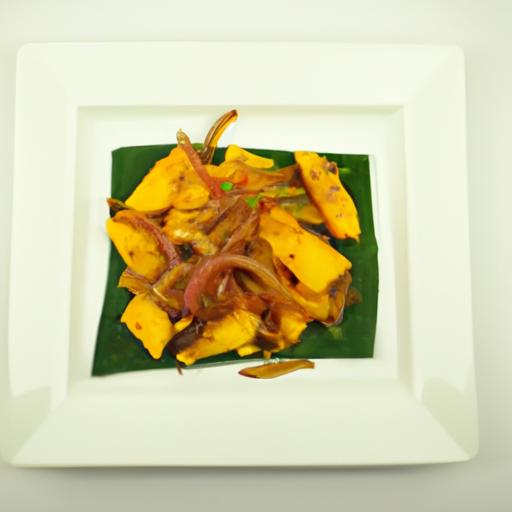
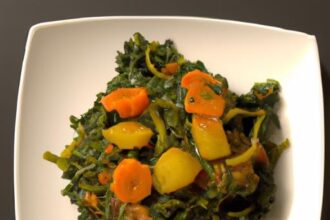
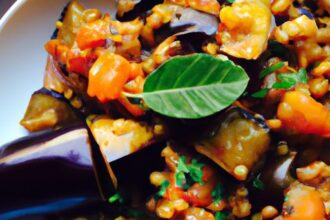
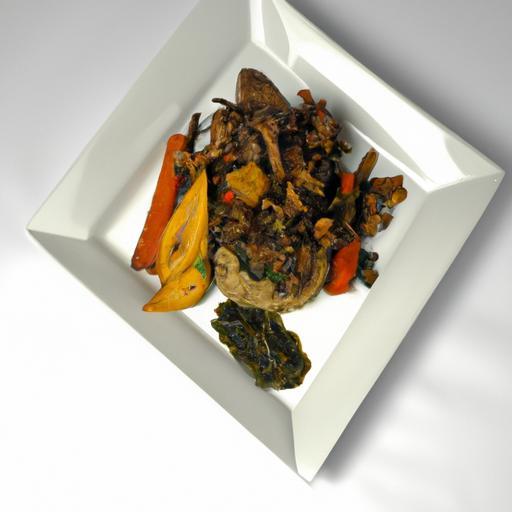
In the rich tapestry of East africa’s culinary heritage lies a treasure trove of flavors waiting to be discovered-flavors that not only tantalize the taste buds but also embrace the growing demand for gluten-free dining. From the sun-kissed shores of the indian Ocean to the lush highlands dotted with spice gardens, this region offers a vibrant palette of naturally gluten-free ingredients and traditional dishes that celebrate health, culture, and innovation. Join us on a flavorful journey through East Africa’s culinary gems, where ancient grains, fresh produce, and time-honored recipes come together to redefine gluten-free eating in tasty and unexpected ways.
Discovering Gluten-Free Flavors in east Africa’s Culinary Gems invites you on a vibrant journey through indigenous grains and traditional dishes crafted without gluten. From the rolling plains where teff and millet reign supreme to bustling streets brimming with aromatic spices, East Africa’s culinary tapestry bursts with naturally gluten-free treasures that delight every palate.
Prep and Cook Time
- Planning: 15 minutes
- Cooking: 20 minutes
- Total Time: 35 minutes
Yield
Serves 4 generous portions
Difficulty Level
medium – perfect for home cooks ready to explore gluten-free African staples with confidence
Ingredients
- 1 cup teff flour – finely ground, whole grain
- 1 cup warm water (plus extra if needed)
- 1/4 teaspoon salt
- 2 tablespoons vegetable oil (preferably sesame or sunflower)
- 1/2 teaspoon baking powder (optional, for lighter texture)
- For the dipping sauce:
- 1 cup plain yogurt (or coconut yogurt for dairy-free)
- 1 small garlic clove, minced
- 1 tablespoon freshly chopped cilantro
- Salt and pepper to taste
Instructions
- Combine the teff flour and salt in a large bowl. Gradually whisk in the warm water to form a smooth batter that resembles a thin pancake batter. Add more water if the mixture feels too thick.Let it rest for 10 minutes to hydrate fully.
- If using, stir in the baking powder just before cooking to lift the batter and make it spongier.
- Heat a non-stick pan over medium heat and add 1 tablespoon of oil. Swirl to coat evenly.
- pour a ladleful of batter onto the pan, spreading it gently into a 6-inch circle. Cook for about 3 minutes, until the edges lift and the top surface begins to bubble and set.
- Flip the pancake carefully and cook the other side for an additional 2-3 minutes until golden and cooked through.
- Repeat with remaining batter, adding more oil as needed to keep pancakes from sticking and ensuring a crispy edge.
- Prepare the dipping sauce by mixing yogurt,minced garlic,cilantro,salt,and pepper. Chill until ready to serve.
Tips for Success
- Teff flour is naturally gluten-free and lends a subtle nutty flavor; ensure your teff is freshly ground for the best aroma.
- If you prefer a sourdough profile, ferment the batter for 24 hours at room temperature before cooking to deepen the flavor-traditional for injera.
- Use a non-stick pan or cast-iron skillet to get an even golden crust without sticking.
- For a vegan choice, swap yogurt with coconut-based dips infused with lime and chili flakes.
- Make-ahead: cook pancakes can be refrigerated and lightly toasted before serving to revive crispness.
Serving Suggestions
Serve these golden gluten-free teff pancakes as a base for hearty stews like Ethiopian doro wat or Kenyan sukuma wiki. For an easy street food-inspired snack,roll them with spiced ground meat or beans and drizzle with the garlic-yogurt sauce. Garnish with fresh cilantro leaves and a sprinkle of crushed red pepper for a pop of color and heat. Pair with a side of fermented injera for an authentic taste adventure.

| Nutrient | Per Serving |
|---|---|
| Calories | 185 kcal |
| Protein | 5 g |
| Carbohydrates | 35 g |
| Fat | 4 g |
Indigenous Grains and Authentic Gluten-Free Dining
teff and millet shape not just this dish but the backbone of East African cuisine. Their distinct textures and earthy notes elevate everyday meals into soulful experiences. To explore more of these traditional gems and gluten-free creativity, visit our related post on east African gluten-free cooking. for a deep-dive into the science and nutritional benefits of teff, check out this authoritative research article.
Q&A
Q&A: Discovering Gluten-Free Flavors – East Africa’s Culinary Gems
Q1: what makes East African cuisine a treasure trove for gluten-free food lovers?
East African cuisine celebrates a rich mosaic of naturally gluten-free ingredients like millet, sorghum, teff, cassava, and plantains. These staples form the backbone of many traditional dishes, offering delicious, nutrient-packed alternatives to wheat and rye.The region’s culinary heritage is deeply rooted in these grains and tubers, making it a paradise for those seeking vibrant, gluten-free flavors without compromise.
Q2: Which traditional East African dishes are naturally gluten-free and should be on every food explorer’s list?
start your culinary adventure with Ugali, a hearty porridge made from maize flour, often paired with savory vegetable stews or grilled fish. Injera, Ethiopia’s iconic sourdough flatbread, is crafted from teff-a gluten-free ancient grain loaded with iron and protein. Also, don’t miss Samosas filled with spiced potatoes and lentils, or Matoke, a comforting steamed plantain dish from Uganda. Each dish tells a story of tradition and taste, all without gluten.
Q3: How do East African cultures incorporate gluten-free grains into their daily meals?
Gluten-free grains in East Africa are more than just food-they are cultural staples. Millet and sorghum are ground into flours for porridges and breads, fueling communities with energy and resilience. Teff in Ethiopia is fermented to create injera, giving it a tangy essence that pairs perfectly with robust stews. By using these grains, East African cultures sustain health, tradition, and flavor, often combining them with a colorful array of legumes, spices, and fresh produce.
Q4: Can travelers with gluten sensitivities safely enjoy street food in East Africa?
Absolutely! Many street food vendors in East Africa specialize in snacks based on cassava, roasted maize, or grilled meats, all naturally gluten-free. Though, caution is advised as cross-contamination can happen in busy markets. Learning a few key phrases in swahili or Amharic to explain your dietary needs can help ensure a safe and scrumptious experience. All in all, the vibrant street food scenes offer plenty of gluten-free delights to savor.
Q5: What role do spices and flavors play in enhancing East africa’s gluten-free dishes?
Spices are the soul of East African cuisine, transforming simple gluten-free ingredients into unforgettable sensations. Berbere,a fiery Ethiopian spice blend,brings warmth and complexity to lentil stews and grilled meats. Cardamom, cinnamon, and cloves imbue dishes with aromatic layers, while fresh herbs like cilantro add brightness.This bold palette of spices enriches every bite, proving that gluten-free doesn’t mean flavor-free in East Africa.
Q6: how is East Africa’s gluten-free culinary heritage influencing modern food trends?
Globally, chefs and food enthusiasts are rediscovering the ancient grains and cooking techniques of East Africa as sustainably nutritious alternatives. From gluten-free injera gaining popularity in gourmet restaurants to millet-based energy snacks hitting international markets, East African flavors are inspiring a fusion of tradition and innovation. This renaissance not only honors ancestral wisdom but also offers new pathways for inclusive, health-conscious dining.
Q7: Where can one immerse themselves in the authentic gluten-free food culture of East Africa?
Cities like Addis Ababa, Nairobi, and Arusha are gateways to authentic East African culinary experiences.Visits to local markets, cooking classes focused on teff and millet, and meals at family-owned eateries reveal the heart behind the dishes. For the adventurous, rural homestays provide hands-on opportunities to harvest grains and learn age-old recipes-turning a trip into a flavorful journey through culture and cuisine.
Discover East Africa’s gluten-free culinary gems, and you’ll find that every dish is a festivity of history, health, and hearty flavor-inviting you to taste a vibrant world beyond wheat.
The Way Forward
As we conclude our journey through east Africa’s vibrant gluten-free landscape, it becomes clear that this region offers more than just safe dining options-it presents a rich tapestry of flavors, traditions, and stories woven into every dish. From the hearty teff injera of Ethiopia to the fragrant spices of Tanzanian curries, East Africa invites gluten-sensitive food lovers to explore its culinary gems without compromise.embracing these naturally gluten-free treasures not only enriches our palates but also connects us to the cultural heartbeat of a diverse and dynamic region. so, whether you’re seeking new tastes or a deeper gratitude for East Africa’s heritage, the continent’s gluten-free delights promise both nourishment and adventure on every plate.