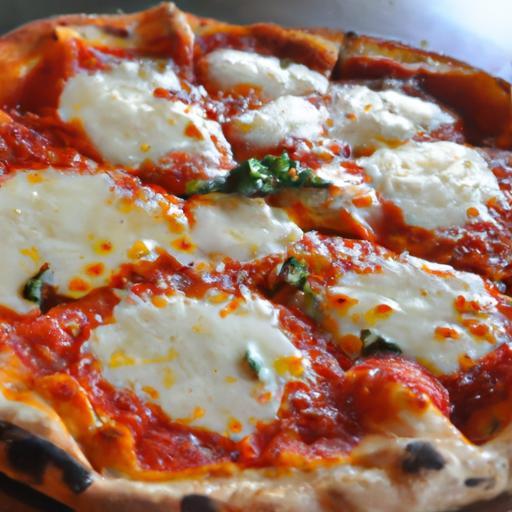
Gluten-Free Pizza Margherita lovers will find inspiration in Crafting the Perfect Gluten-Free Pizza Margherita Recipe, where tradition meets precision. Crafting the Perfect Gluten-Free Pizza Margherita Recipe celebrates the beauty of Gluten-Free Pizza Margherita through balanced flavors and refined technique. With Crafting the Perfect Gluten-Free Pizza Margherita Recipe, achieving authentic Gluten-Free Pizza Margherita texture becomes effortless. Every step in Crafting the Perfect Gluten-Free Pizza Margherita Recipe honors the soul of Gluten-Free Pizza Margherita while ensuring flawless results.
Crafting the Perfect Gluten-Free Pizza Margherita Recipe begins with selecting the ideal gluten-free flour blend,a crucial foundation for achieving that coveted crispy yet tender crust. Unlike conventional wheat flour, gluten-free flours require a thoughtful balance of starches and proteins to replicate the elasticity and structure essential for pizza dough. Whether you opt for a premium all-purpose gluten-free flour mix or a custom blend of rice flour, tapioca starch, and potato starch, the aim is to create a dough that bakes up golden, airy, and with a delightful crunch on the edges.
Prep and Cook Time
- Preparation: 20 minutes
- Dough Resting: 1 hour 30 minutes
- Cooking: 12-15 minutes
- Total Time: Approximately 2 hours
Yield
- Serves 2-3 people, depending on slice size
Difficulty Level
- Medium – requires careful dough handling and resting
Ingredients
- For the Dough:
- 1 ¾ cups gluten-free all-purpose flour blend (ensure it contains xanthan gum)
- 1 teaspoon active dry yeast
- 1 teaspoon sugar
- ¾ cup warm water (110°F/45°C)
- 1 tablespoon extra-virgin olive oil, plus extra for greasing
- ½ teaspoon sea salt
- For the Topping:
- 1 cup fresh mozzarella, sliced
- 1 cup San Marzano tomato sauce or high-quality crushed tomatoes
- Fresh basil leaves, about 10 leaves
- 1 tablespoon extra-virgin olive oil
- Sea salt and freshly ground black pepper, to taste
Instructions
- Activate the yeast: In a small bowl, combine the warm water, sugar, and yeast. Stir gently and let it sit for 5-7 minutes until foamy. This confirms the yeast is alive and ready.
- Prepare the Dough: In a large mixing bowl, whisk together the gluten-free flour and sea salt. Create a well in the center and pour in the yeast mixture and olive oil. Stir with a wooden spoon until a sticky dough forms. The dough will be softer than traditional wheat dough.
- Knead and Rest: Lightly flour a clean surface with gluten-free flour and knead the dough gently for 2-3 minutes, folding it onto itself to improve texture. Place the dough in a lightly oiled bowl, cover it with a damp kitchen towel, and let it rest in a warm spot for 1 hour until it slightly puffs.
- preheat Your Oven: While the dough rests, position a pizza stone or baking steel on the middle rack and preheat the oven to its highest setting (500°F/260°C) for at least 30 minutes to ensure an intensely hot surface.
- Shape the Dough: Turn the rested dough onto a piece of parchment paper dusted with gluten-free flour. Using your fingertips, gently stretch and press the dough into a 10-12 inch circle, leaving a slightly thicker rim for the crust. Avoid rolling pins, which can deflate the dough’s delicate bubbles.
- Add Tomato and Cheese: Spread an even layer of San Marzano tomato sauce over the base,leaving the edges bare. Distribute slices of fresh mozzarella evenly on top, then scatter fresh basil leaves delicately.
- Bake to Perfection: Transfer the pizza (with parchment) onto the preheated stone or steel. Bake for 12-15 minutes until the crust is golden and crisp, and the mozzarella is beautifully melted with slight bubbling and golden hints.
- Final Touch: Remove the pizza from the oven, drizzle with extra-virgin olive oil, and season lightly with sea salt and pepper.Serve promptly to enjoy the perfect harmony of flavors and textures.
Tips for Success: Mastering Gluten-Free Dough and Flavor Elevation
- Always use a trusted gluten-free all-purpose flour blend with a binding agent such as xanthan gum to mimic gluten’s elasticity.
- Patience during the dough resting stage allows flavors to develop and texture to improve,giving that tender crumb with a crisp crust.
- For extra crispiness, pre-bake the crust for 5 minutes before adding toppings.
- Choose fresh mozzarella with higher moisture content to melt perfectly and complement the vibrant tomato base.
- Use authentic San Marzano tomatoes for a rich, sweet sauce that preserves the classic Margherita integrity.
- experiment with a drizzle of garlic-infused olive oil on the crust edges to add subtle depth.
Serving suggestions
Present your pizza on a rustic wooden board with a scattering of torn fresh basil and a pinch of flaky sea salt for extra sparkle.Pair with a crisp green salad dressed in lemon vinaigrette or a light Italian white wine like Pinot Grigio for a vibrant, balanced meal. Leftovers can be gently reheated in a cast iron skillet to revive crispiness.
| Nutrient | Per Serving (Approx.) |
|---|---|
| Calories | 350 kcal |
| protein | 15 g |
| Carbohydrates | 40 g |
| Fat | 12 g |

For those passionate about gluten-free baking, check out our related guide on Gluten-Free Baking Tips, your essential resource to elevate home cooking with expert techniques and ingredient insights.
Q&A
Q&A: Crafting the Perfect Gluten-Free Pizza Margherita Recipe
Q1: Why choose a gluten-free pizza Margherita?
A1: Whether you have celiac disease, gluten intolerance, or simply want to explore a lighter, more digestible option, a gluten-free pizza Margherita allows you to enjoy all the classic flavors without the gluten. It’s a celebration of simplicity – fresh tomatoes, creamy mozzarella, fragrant basil – all on a crust that’s friendly to your digestive system.
Q2: What’s the biggest challenge when making a gluten-free pizza crust?
A2: The key challenge is texture. Gluten gives traditional dough its elasticity and chewiness. Without it, gluten-free doughs can be crumbly or dense.The secret is balancing the right blend of gluten-free flours (like rice, tapioca, or almond) with binding agents such as xanthan gum or psyllium husk, ensuring your crust is both sturdy and delightfully tender.
Q3: can I use store-bought gluten-free flour blends?
A3: Absolutely! Many gluten-free flour blends are designed to mimic wheat flour’s properties. Though, not all are created equal. Look for blends labeled “all-purpose” or “for bread/pizza,” and check if they contain binding agents.You might need to tweak hydration or resting time for the best results.
Q4: How do I get the crust crispy without gluten?
A4: Crispiness comes from heat and moisture control.preheat your oven to its highest setting (usually 500°F or 260°C) and consider using a pizza stone or steel for direct intense heat. Brushing the crust lightly with olive oil before baking also adds a golden, crispy finish.Avoid overloading toppings,which can make the crust soggy.
Q5: What’s the best way to handle gluten-free dough?
A5: Unlike traditional dough, gluten-free dough is often stickier and less elastic. Use wet hands or a spatula to shape it gently. Resting the dough for 20-30 minutes after mixing allows flours to hydrate fully, improving workability. And remember – don’t expect to toss it in the air; shaping by hand or rolling on parchment is your best bet.
Q6: How much topping is ideal for a margherita?
A6: Less is more! The Margherita’s magic lies in its simplicity: a thin layer of crushed San Marzano tomatoes, slices or chunks of fresh mozzarella, a drizzle of extra virgin olive oil, and vibrant basil leaves added after baking. This minimalist approach lets each ingredient shine and prevents the gluten-free crust from getting soggy.
Q7: Can I add herbs or seasoning to the dough?
A7: Yes! Adding a pinch of garlic powder, dried oregano, or fresh chopped rosemary to your dough mix complements the Margherita’s flavors beautifully and gives your crust a fragrant lift. Just be mindful of how this might affect the dough’s hydration and texture.
Q8: Should I proof gluten-free pizza dough?
A8: most gluten-free doughs don’t require traditional proofing as they lack gluten structure. However, some recipes use yeast and reccommend a short rise to improve flavor and lightness. If using yeast, give your dough at least 30 minutes to rest in a warm spot before baking.
Q9: What’s the best cheese for a gluten-free pizza Margherita?
A9: Fresh mozzarella is king here – ideally whole milk mozzarella for creaminess. Avoid pre-shredded cheeses, which can contain anti-caking agents that affect melting. Tear or slice your mozzarella and distribute evenly for melty, gooey patches of cheesy goodness.
Q10: Any final tips for pizza perfection?
A10: Embrace patience and practice! Gluten-free pizza dough behaves differently, so expect a little trial and error. Use quality ingredients, keep it simple, and don’t rush the baking. When that crust is golden, the cheese bubbly, and the basil fresh on top, you’ll know you’ve crafted pizza perfection – without gluten, but with all the soul.
Future Outlook
As you embark on your gluten-free pizza adventure, remember that crafting the perfect Margherita is as much about passion as it is about precision. With each bite, you celebrate the harmony of fresh basil, ripe tomatoes, and creamy mozzarella, all nestled atop a thoughtfully prepared crust that honors your dietary needs. Whether you’re a seasoned home chef or a curious beginner, this recipe offers a delicious gateway to savoring Italy’s iconic flavors-without compromise. So roll up your sleeves,preheat that oven,and let your gluten-free Margherita masterpiece come to life,slice by perfect slice. Buon appetito!