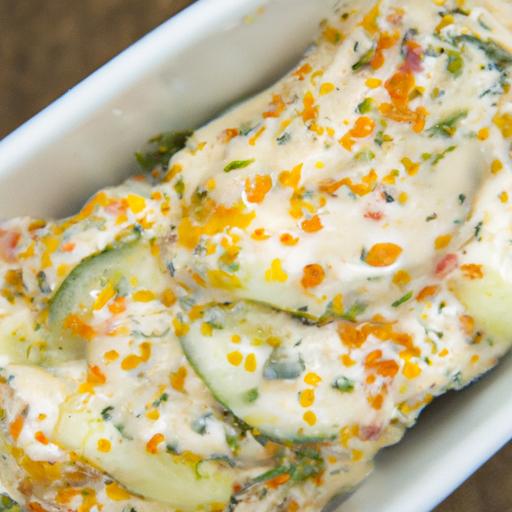
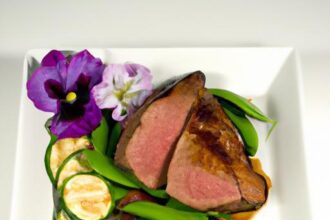
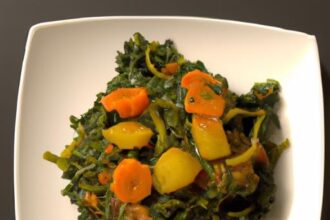
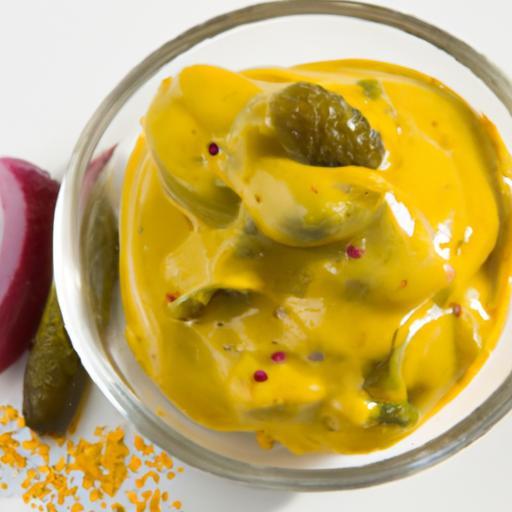
In the vibrant tapestry of French cuisine, few condiments embody such depth and balance as Gribiche Sauce. This tangy, mustard-forward creation captures the essence of traditional French gastronomy, combining acidity, texture, and elegance in perfect harmony. Gribiche Sauce awakens the palate with its lively blend of sharp mustard, finely chopped pickles, and creamy hard-boiled eggs. More than just a side, Gribiche Sauce is a celebration of contrast — crisp yet smooth, bold yet comforting — transforming every dish it touches. Whether drizzled over tender meats, roasted vegetables, or warm potatoes, Gribiche Sauce elevates simple ingredients into a memorable culinary experience.
Gribiche Sauce remains a cornerstone of French culinary artistry, its vibrant profile delighting chefs and food lovers alike. Originating in the heart of France, Gribiche Sauce marries briny pickles with herbs, mustard, and eggs, creating an irresistible flavor that dances between tangy and savory. I first experienced Gribiche Sauce at a quaint Parisian café, its zesty complexity turning a humble poached fish into a masterpiece. To master Gribiche Sauce is to understand balance — the interplay of creamy yolks, acidic pickles, and herbal freshness. Each spoonful of Gribiche Sauce tells a story of tradition, craftsmanship, and timeless flavor, proving why Gribiche Sauce remains one of France’s most beloved culinary treasures.
Prep and Cook Time
- Preparation: 15 minutes
- Cook Time: 10 minutes (for boiling eggs)
- Total Time: 25 minutes
Yield
Makes approximately 1 cup, enough for 4-6 servings depending on usage
Difficulty level
Medium – requires attention to detail when emulsifying and picking crisp pickles
Ingredients
- 3 large hard-boiled eggs, cooled and peeled
- 1/4 cup high-quality Dijon mustard (preferably with visible mustard seeds)
- 1/2 cup neutral oil (grapeseed or light olive oil)
- 1/4 cup white wine vinegar
- 1/4 cup cornichons or dill pickles, finely chopped (see tips on selection below)
- 2 tbsp capers, rinsed and chopped
- 2 tbsp fresh flat-leaf parsley, finely chopped
- 1 tbsp fresh chives, finely minced
- 1 tbsp fresh tarragon, finely chopped
- 1 small shallot, minced
- Salt and freshly cracked black pepper, to taste
Instructions
- separate the hard-boiled eggs: Gently separate the firm egg whites from the creamy yolks. Finely chop the whites and place them aside.
- Create the base emulsion: in a mixing bowl, whisk together the Dijon mustard and white wine vinegar. Gradually drizzle in the oil while continuously whisking to create a thick, creamy emulsion similar to a mayonnaise base.
- Mash the yolks: using a fork or small sieve, mash the egg yolks to a crumbly texture and fold them gently into the mustard emulsion, allowing them to thicken the sauce and add richness.
- Add texture and seasoning: Fold in the finely chopped hard-boiled egg whites, minced shallot, crisp pickles, capers, and fresh herbs. Stir gently to ensure an even distribution of textures and flavors without breaking down the chunky components.
- Adjust seasoning: Taste for salt and pepper, remembering that pickles and capers add natural saltiness.Adjust accordingly to balance.
- Rest and meld: Cover and refrigerate the sauce for at least 30 minutes to let the flavors marry and the tangy mustard penetrate every bite.
- Before serving: Give the sauce a gentle stir. If it appears too thick, whisk in a teaspoon of water or more vinegar to achieve your desired consistency.
Mastering the Art of Crisp Pickle Selection for Perfect Texture
The hallmark crunch of the gribiche sauce largely originates from its pickles. Selecting the right variety is essential. Cornichons,those tiny French gherkins,offer a crisp snap and a sharp vinegar bite that’s authentic to the sauce’s roots. If unavailable, dill pickles with firm flesh work well, but avoid overly brined or soft pickles-texture will suffer. An easy tip is to gently squeeze the pickle; a good gribiche pickle fights back with a slight resistance. Also, finely dice to avoid overpowering chunky bites, ensuring every spoonful retains balance.
Balancing Bold Mustard Flavors with Fresh Herbs and Seasonings
The spicy, assertive nature of the mustard is the backbone of this sauce, but it’s the fresh brightness of herbs like tarragon, parsley, and chives that lifts the gribiche to culinary brilliance. Tarragon’s subtle anise notes play beautifully against mustard’s heat,while parsley adds vibrant earthiness. Mixing herbs not only adds color but incorporates nuanced flavor layers-experiment with quantity to suit your palate. Adding minced shallots provides a sweet pungency without overwhelming the sauce’s delicate balance.
Creative Pairings and Serving Suggestions to Elevate Every Dish
Gribiche sauce is wildly versatile and elevates a spectrum of dishes: think robustly poached fish like halibut or cod,simply steamed asparagus,or even crispy roast potatoes.Spoon it over freshly grilled chicken to introduce zest and texture or use it as a dip for crudités, where the crunch contrasts with creamy richness. Garnishing with a sprig of tarragon or a dusting of smoked paprika can transform presentation and whet the appetite. For a stylish appetizer, pair dollops atop toasted brioche rounds accompanied by smoked salmon and cucumber slices.
Chef’s Notes: Tips for Success
- Egg texture is key: Hard-boil eggs gently for about 10 minutes to avoid rubbery whites and dry yolks; ice bath promptly to stop cooking.
- Mustard choice: Use a grainy Dijon mustard with whole seeds for authenticity and texture contrast.
- Oil selection: Avoid robust oils like extra virgin olive oil that can overpower the delicacy of the sauce. Neutral oils work best for a smooth finish.
- Make-ahead pleasant: Gribiche develops deeper flavors when made a day ahead; store tightly in the fridge up to 48 hours.
- Variations: Try swapping cornichons with pickled green peppercorns or adding a teaspoon of anchovy paste for umami depth.
Nutritional Information per 2-tablespoon serving
| Calories | Protein | Carbs | Fat |
|---|---|---|---|
| 90 | 3g | 1g | 8g |

For more inspiration on how to incorporate similar French condiments into your kitchen repertoire, check out our Classic French Sauces Guide. Interested in the nutritional science behind emulsions and mustard benefits? Visit Healthline’s comprehensive mustard nutrition overview.
Q&A
Q&A: Gribiche Sauce – Tangy Mustard Meets Crunchy pickles Delight
Q1: What exactly is Gribiche sauce?
A1: Gribiche is a classic French cold sauce that’s tangy, zesty, and delightfully crunchy.It’s made from hard-boiled egg yolks emulsified with mustard and oil, then mixed with chopped pickles, capers, herbs, and sometimes a splash of vinegar or lemon juice. Think of it as a lively cousin to homemade mayonnaise with a deliciously briny twist.
Q2: Where dose Gribiche sauce originate?
A2: This gem hails from French cuisine, beloved for its bright flavors and versatile uses. It’s thought to have originated in Lyon or Paris in the early 20th century, originally crafted as a clever way to use leftover hard-boiled eggs.
Q3: What gives Gribiche its distinct tangy flavor?
A3: The magic lies in the sharp Dijon mustard paired with acidic vinegar or lemon juice,plus the briny punch from cornichons (tiny crunchy pickles) and capers. Together, they create a lively balance that wakes up any dish it accompanies.
Q4: How is Gribiche different from mayonnaise or tartar sauce?
A4: While mayonnaise is a smooth emulsion of egg yolk and oil, Gribiche adds texture by including chopped pickles, herbs, and sometimes boiled egg whites. Unlike tartar sauce, which is usually mayo-based and sweeter, Gribiche is zingier with a more herbaceous, mustard-forward profile.
Q5: What dishes pair well with gribiche sauce?
A5: Gribiche shines alongside cold meats, fish (like poached salmon or seared tuna), steamed vegetables, and even roasted potatoes. It’s also a star on charcuterie boards or as a zesty dip for crudités. Essentially, anything that benefits from a bright, tangy crunch finds a perfect partner in Gribiche.
Q6: Can Gribiche sauce be made ahead of time?
A6: Absolutely! Gribiche develops even more flavor when allowed to rest in the fridge for a few hours or overnight.Just keep it tightly covered and enjoy its vibrant taste up to 2-3 days later.
Q7: Are there variations of Gribiche sauce?
A7: Yes! While the classic recipe sticks to mustard, hard-boiled eggs, pickles, capers, and herbs, some variations introduce additions like anchovies, chopped shallots, or fresh tarragon. The key is maintaining that signature tangy crunch that defines Gribiche.
Q8: How can I make a vegan version of Gribiche?
A8: To veganize Gribiche, swap the eggs with creamy aquafaba-based mayonnaise or blended silken tofu, and use Dijon mustard along with chopped pickles, capers, and fresh herbs. While it won’t have the exact richness of eggs, the bright, tangy essence remains wonderfully intact.
Q9: Why should I try making Gribiche at home?
A9: Because it’s a game-changer! This vibrant, tangy, and crunchy sauce can transform simple dishes into gourmet delights. Plus, making Gribiche at home lets you tweak the flavors to your liking-more mustard heat, extra herbs, or an added zing of lemon. Once you try it,you’ll wonder how you ever lived without this French culinary treasure.
Whether you’re a sauce aficionado or a curious foodie, Gribiche offers a tangy mustard punch and crunchy pickle delight that elevates your cooking with every spoonful. Bon appétit!
to sum up
In the vibrant world of sauces, Gribiche stands out as a tangy, crunchy celebration of texture and taste-a harmonious dance where mustard’s sharpness meets the delightful snap of pickles.Whether draped over tender meats, spooned onto crisp vegetables, or simply enjoyed by the spoonful, this classic French condiment invites you to experience a timeless blend of bold flavors and playful contrasts. Embracing gribiche sauce in your kitchen not only honors a culinary tradition but also adds a spirited zest that transforms everyday dishes into memorable feasts. So next time you seek a sauce that’s as lively as it is versatile, let Gribiche be your tangy, crunchy companion on the plate.