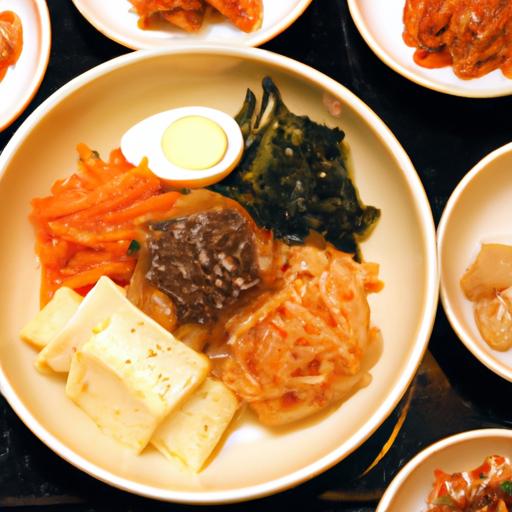
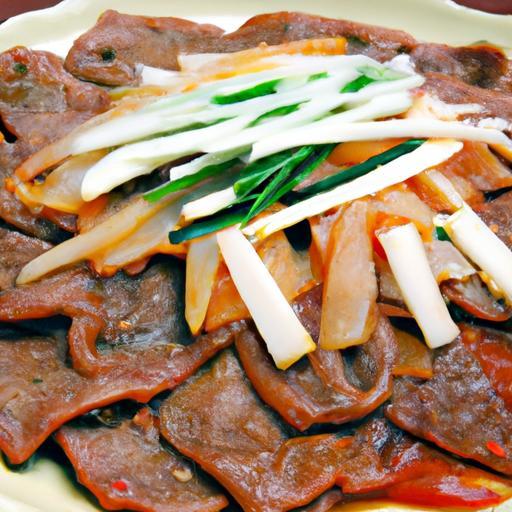
There’s something undeniably magical about the crackle and pop of sizzling meat meeting a fiery grill, the fragrant dance of spices awakening your senses with every mouthwatering bite. Welcome to the world of Korea’s gui dishes-an irresistible tapestry of flavors, textures, and communal joy. From tender marinated strips of bulgogi to the smoky allure of samgyeopsal, gui (grilled) cuisine embodies much more than just cooking meat over fire; it’s a celebration of tradition, craftsmanship, and togetherness. In this guide, we invite you to savor the sizzle and explore the rich heritage and savory secrets behind Korea’s most beloved grilled delicacies. Prepare your palate for an unforgettable journey into the heart of Korean barbecue culture.
Savor the Sizzle by diving deep into the vibrant world of Korean barbecue culture, where every bite tells a story rich with tradition and innovation. At the heart of this culinary adventure lies the mastery of marinades and the artistry behind unique sauces that transform simple cuts of meat into irresistible, flavor-packed experiences. Whether grilling thinly sliced beef over an open flame or savoring grilled vegetables layered with layers of zest and umami, these recipes unlock the secrets to korea’s gui dishes-offering an authentic taste of its diverse regions and age-old techniques.
Prep and Cook Time
- Readiness Time: 20 minutes
- Marinating Time: 2-4 hours (or overnight for best results)
- Cooking Time: 10-15 minutes
Yield
Serves 4 hearty portions
Difficulty Level
Medium – perfect for home cooks ready to embrace grilling and flavor layering
Ingredients
- 1 lb (450g) thinly sliced beef ribeye (or brisket for a leaner option)
- 1/4 cup soy sauce (preferably Korean ganjang)
- 2 tbsp sesame oil
- 2 tbsp brown sugar or honey
- 3 garlic cloves, minced finely
- 1 tsp freshly grated ginger
- 2 green onions, finely chopped
- 1 tbsp Korean pear, grated (optional but adds natural sweetness and tenderizes)
- 1 tsp toasted sesame seeds
- 1/4 tsp freshly ground black pepper
- 1 tsp gochujang (Korean chili paste) for a mild kick
- 1/2 medium onion, thinly sliced (optional for grilling)
- Leafy greens (such as perilla or lettuce), for wrapping
Instructions
- combine the marinade: In a bowl, whisk together soy sauce, sesame oil, brown sugar, garlic, ginger, green onions, Korean pear, toasted sesame seeds, black pepper, and gochujang until well incorporated.
- Marinate the beef: Place the thinly sliced beef in a shallow dish or resealable bag and pour the marinade over it. Toss gently to coat every slice. Refrigerate for at least 2 hours, preferably overnight, to allow flavors to deeply penetrate.
- Prepare the grill or pan: Heat a grill pan or outdoor grill over medium-high heat. Lightly oil the surface to prevent sticking.
- Grill the beef: Place marinated beef slices and onion rings on the grill. Cook for 2-3 minutes per side until caramelized and slightly charred but still juicy. Avoid overcooking to maintain tenderness.
- Rest briefly: Let the cooked meat rest for a minute; this helps juices redistribute and prevents dryness.
- Assemble and serve: Wrap a slice of grilled beef and onion in leafy greens.add a dab of ssamjang (a savory dipping sauce made from fermented soybean paste and chili paste) or extra gochujang if you prefer heat. Enjoy the burst of smoky, sweet, and spicy flavors together.
Chef’s notes
- Alternative proteins: Try this marinade with pork belly (samgyeopsal) or chicken thighs for varied textures.
- Make-ahead marinade: Prepare the marinade up to 3 days ahead and store in an airtight container for convenience.
- Adjust spice level: Increase or omit gochujang according to preference.
- Vegetarian twist: Marinate thick slices of king oyster mushrooms or firm tofu in the same sauce before grilling.
- Don’t overcrowd the grill: Give each slice space for even caramelization and to avoid steaming.
Serving Suggestions
Present this gui delight on a wooden platter alongside small bowls of kimchi, pickled radish, and steamed rice. Garnish with a sprinkle of toasted sesame seeds and fresh chopped green onions for vibrant color and extra aroma. Accompany your meal with a chilled glass of bori-cha (barley tea), a traditional Korean beverage that perfectly balances the richness of grilled meats. For an immersive experience, serve with ssam (leafy wraps) and encourage guests to build their own bites with garlic slices, chili peppers, and dipping sauces.

Nutritional Data (per serving)
| Calories | Protein | Carbs | Fat |
|---|---|---|---|
| 320 kcal | 28 g | 8 g | 18 g |
For those eager to explore further, don’t miss our detailed recipe for Korean BBQ Ssam Sauce, an essential condiment that elevates every bite with its bold, balanced flavors.
Q&A
Q&A: Savor the Sizzle – A Guide to Korea’s Irresistible Gui Dishes
Q1: What exactly are “gui” dishes in Korean cuisine?
A1: “Gui” (구이) refers to a style of cooking where ingredients-usually meats, seafood, or vegetables-are grilled or pan-fried over an open flame or hot plate. The word itself means “grilled” or “roasted,” and gui dishes are celebrated for their sizzling, smoky aroma and rich, caramelized flavors that make Korean dining an interactive and mouthwatering experience.
Q2: why are gui dishes so popular in Korea?
A2: Gui dishes are more than just food-they’re a social ritual. Grilling at the table encourages sharing, conversation, and connection. The process of cooking your own meat or seafood right before your eyes adds an element of theater and anticipation. Plus,the combination of perfectly charred,juicy morsels with bold dipping sauces (like ssamjang or sesame oil with salt) makes gui irresistibly flavorful.
Q3: What are some must-try classic gui dishes for first-timers?
A3: You can’t go wrong with Samgyeopsal (thick slices of pork belly grilled to crispy perfection), Bulgogi (thinly sliced marinated beef with a sweet-savory glaze), and Galbi (marinated short ribs, tender and smokey). Don’t miss Dak Galbi (spicy grilled chicken) and Ojingeo Gui (grilled squid) for a seafood twist. each dish offers a unique texture and flavor,showcasing the versatility of gui cooking.
Q4: Are gui dishes healthy?
A4: Absolutely! Grilling often reduces fat content as excess drips away, and gui dishes usually come with a colorful assortment of fresh vegetables, kimchi, and leafy greens like lettuce or perilla leaves for wrap-making. opting for lean cuts and balancing your meal with banchan (side dishes) can make gui a wholesome, well-rounded dining choice.
Q5: How do Koreans typically eat gui dishes?
A5: The traditional way involves grilling your meat and then wrapping it in a fresh lettuce leaf along with kimchi, garlic slices, a dab of ssamjang (fermented soybean paste mixed with chili), and sometimes rice. This “ssam” (wrap) creates a perfect harmony of textures and flavors, turning each bite into a delightful explosion of savory, spicy, crunchy, and refreshing elements.
Q6: Can I enjoy gui dishes if I’m vegetarian or vegan?
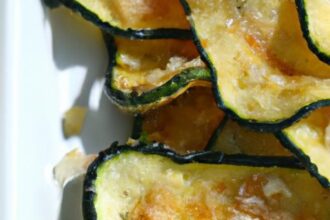
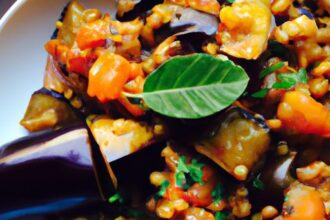
A6: While meat is the star of gui,don’t overlook grilled vegetables like mushrooms,zucchini,eggplant,and peppers. Korean restaurants frequently enough offer grilled tofu or marinated veggie skewers as well. With a little creativity, you can savor the spirit of gui with plant-based ingredients that still sizzle and delight.
Q7: What should I look for in a great gui restaurant?
A7: Seek out places with tables equipped for grilling, a lively and welcoming atmosphere, and a menu featuring fresh, high-quality ingredients. Bonus points for attentive servers who explain the best grilling techniques and dipping sauce combinations. Authenticity often shines through in smaller,family-run spots where the sizzle of the grill feels like home.
Q8: Any tips for making gui dishes at home?
A8: Yes! Use a good grill pan or a tabletop grill if you can, and marinate your meats a few hours in advance to build flavor. Don’t overcrowd the grill; give each piece room to sear and develop that golden crust. Prepare an assortment of dipping sauces and fresh lettuce leaves on the side, and gather friends to share the feast-gui is best enjoyed together!
Whether you’re a seasoned foodie or a curious newcomer, gui dishes invite you to embrace the sizzle, savor the smoky goodness, and celebrate Korean culinary tradition bite by delicious bite.
In Retrospect
As the tantalizing aroma of sizzling marinated meats and fresh vegetables fades from your creativity, one thing is clear: Korea’s gui dishes are more than just food-they are an invitation to gather, share, and celebrate the art of flavorful fire. Whether you’re a seasoned grill master or a curious culinary explorer, embracing the rich traditions and mouthwatering techniques behind Korean barbecue unlocks a world where every bite tells a story. So next time you hear that satisfying sizzle, dive in with eager chopsticks and an open heart-because savoring gui is savoring Korea itself, one irresistible bite at a time.