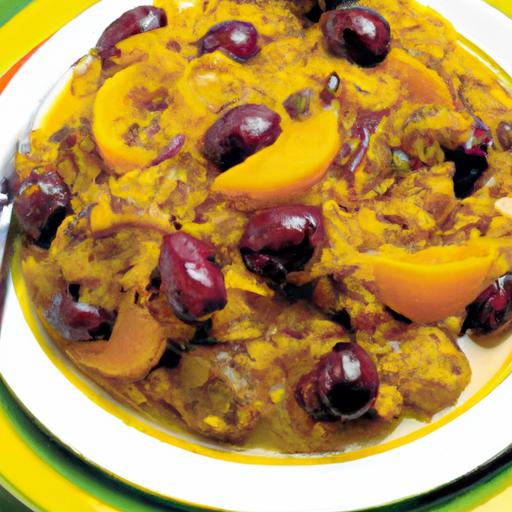
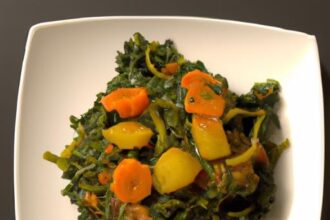
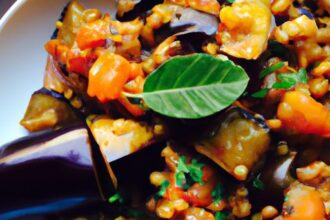
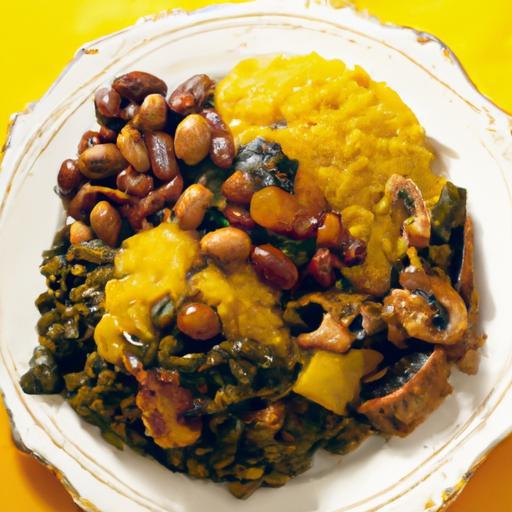
In the heart of West Africa, where vibrant cultures intertwine and ancient traditions thrive, the humble grain of couscous takes on a unique and tantalizing identity. Guinean Kouskous is more than just a dish-it is a flavorful journey that tells the story of community, heritage, and culinary artistry passed down through generations. From the rhythmic dance of hands sifting semolina to the aromatic symphony of spices and savory stews, this vibrant staple offers a appetizing gateway into Guinea’s rich cultural tapestry. Join us as we explore the origins, preparation, and enduring importance of Guinean Kouskous-a meal that nourishes not only the body but also the soul.
Guinean Kouskous embodies a rich tapestry of history and culture,inviting food lovers on an immersive culinary journey through West Africa’s vibrant coastal nation. This beloved dish is much more than a staple; it’s a festivity of Guinean heritage, expertly marrying customary grains, aromatic spices, and hearty vegetables in a dish that delights both the palate and the soul. Drawing inspiration from generations of Guinean cooks, the authentic preparation techniques and ingredients make Guinean Kouskous an unforgettable experience at the dinner table.
Prep and Cook Time
- Preparation: 30 minutes
- Cooking: 40 minutes
- Total Time: 1 hour 10 minutes
Yield
serves 4 to 6 people
Difficulty Level
Medium – Great for cooks eager to embrace traditional Guinean techniques with approachable ingredients.
ingredients
- 2 cups fine couscous grains (preferably millet-based, for authentic texture)
- 1 tablespoon peanut oil (or vegetable oil)
- 1 medium onion, finely chopped
- 2 cloves garlic, minced
- 2 medium tomatoes, diced
- 1 cup pumpkin, cubed
- 1 cup carrots, sliced
- 1 cup green beans, trimmed and halved
- 1 teaspoon smoked paprika
- 1 teaspoon ground cumin
- 1/2 teaspoon cayenne pepper (optional, for heat)
- Salt and black pepper to taste
- 2 cups vegetable or chicken broth
- Fresh parsley or cilantro, chopped for garnish
- 1/4 cup toasted peanuts (optional, for texture)
Instructions
- Prepare the couscous: Place the couscous in a large bowl. Sprinkle with a pinch of salt and gradually add 1 cup of boiling water, stirring gently to moisten the grains. cover with a clean cloth and let it steam for 10 minutes to fluff and soften. Use your fingers to break up any clumps gently.
- Sauté the aromatics: Heat peanut oil in a large heavy-bottomed pot over medium heat. Add the chopped onion and garlic, sauté until fragrant and translucent, about 5 minutes, stirring frequently to prevent burning.
- Add spices and vegetables: Stir in smoked paprika, cumin, and cayenne pepper. Add diced tomatoes and cook until they release their juices, about 5 minutes. Incorporate pumpkin, carrots, and green beans, stirring to combine evenly with the spice mixture.
- Simmer with broth: Pour in the vegetable or chicken broth, season with salt and black pepper, and bring to a gentle simmer.Cover and cook for 20-25 minutes, until vegetables are tender but still vibrant.
- Steam couscous again: Fluff couscous once more, then transfer to a steaming basket or colander placed over boiling water. Steam for 10 minutes to ensure a light, fluffy texture.
- Combine and serve: transfer steamed couscous to a serving dish, making a well in the center. Spoon the vegetable stew into the well, allowing the flavors to meld beautifully.Garnish generously with toasted peanuts and fresh herbs.
Tips for Bringing Guinean Kouskous Into Your Home Kitchen
- Grain choices: For authenticity, try millet couscous if available; otherwise, fine semolina couscous works well and mimics the traditional texture.
- Vegetable variations: Feel free to swap in seasonal vegetables like sweet potatoes, eggplants, or okra to echo Guinean market freshness.
- spice balancing: Adjust cayenne pepper to control the dish’s heat and tailor it to your family’s preferences.
- make-ahead advice: prepare the vegetable stew a day before; flavors intensify overnight, making the dish even more savory upon reheating.
- Presentation tip: Serve on a large communal platter for an authentic shared meal experience reminiscent of Guinean family feasts.
Pairing Guinean Kouskous with Complementary Dishes and Flavors
Guinean kouskous shines when paired with light, fresh accompaniments that bring contrast and complexity:
- Grilled or roasted meats: Try tender grilled chicken or spiced lamb kebabs, which complement the hearty vegetable base.
- Fermented sauces: Traditional condiments like fermented peanut sauce (mafé) or a spicy tamarind chutney add tangy depth.
- Refreshing salads: A crisp salad with cucumber, red onion, and citrus vinaigrette provides a cooling counterpoint to warm spices.
- Traditional beverages: Light hibiscus tea (bissap) or ginger-infused drinks cleanse the palate elegantly.
Chef’s Notes
- When soaking the couscous, avoid stirring vigorously to prevent mushy grains; gentle handling preserves the signature fluffy texture.
- If you want to add protein, incorporate cooked chickpeas or tender pieces of smoked fish for authenticity and heartiness.
- This dish is naturally gluten-free if millet couscous is used; double-check packaged grains if gluten sensitivity is a concern.
- For more detailed information on west african cooking traditions, the Special Broadcasting Service (SBS) offers excellent insights.
| Nutrient | Per Serving |
|---|---|
| Calories | 320 kcal |
| Protein | 8 g |
| Carbohydrates | 54 g |
| Fat | 7 g |

Elevate your culinary repertoire with Guinean Kouskous – a dish that invites warmth, tradition, and a touch of adventure to every meal.
For further inspiration and complementary recipes, explore our West African classics collection and enrich your kitchen with flavors that tell stories.
Q&A
Q&A: Guinean Kouskous – A Flavorful journey Through Tradition
Q1: What exactly is Guinean Kouskous?
A1: Guinean Kouskous is a beloved traditional dish from Guinea, West Africa, that centers around steamed millet or corn couscous grains. Unlike the more commonly known North African couscous made from semolina wheat, Guinean Kouskous boasts a unique grain base and preparation method that deeply reflects the region’s agricultural heritage and culinary customs.
Q2: How does Guinean Kouskous differ from other varieties of couscous?
A2: While couscous is generally associated with North African cuisines and typically involves wheat semolina, Guinean Kouskous uses millet or corn flour as its backbone, embracing local grains. The texture tends to be coarser and heartier, and the dish is frequently enough paired with richly spiced sauces made from meats, vegetables, and aromatic herbs native to Guinea. This variation highlights Guinean agricultural staples and inventive flavor blends.
Q3: what cultural significance does Guinean Kouskous hold?
A3: Beyond being a culinary staple, Guinean Kouskous is a dish of communal celebration and identity.It frequently appears at family gatherings, festive occasions, and traditional ceremonies, serving as a symbol of hospitality and unity. Preparing the dish is often a communal activity, where recipes and techniques are passed down through generations, keeping the cultural tapestry vividly alive.
Q4: What are the key ingredients and flavors that define Guinean Kouskous?
A4: The primary grains are millet or cornmeal, steamed gently to perfection. The side sauces are where the dish truly awakens the senses: slow-cooked meat such as goat, chicken, or fish, enriched with a medley of tomatoes, onions, garlic, and local spices like African pepper and ginger. Vegetables like okra, eggplant, and leafy greens add texture and nutrition, creating a harmony of earthy, spicy, and savory notes.
Q5: Can Guinean Kouskous be adapted for modern or international kitchens?
A5: Absolutely! While traditional preparation calls for specific steaming techniques and local ingredients, home cooks worldwide can experiment by substituting millet flour or cornmeal and incorporating accessible spices. Modern twists might include vegetarian versions utilizing hearty mushrooms or beans, but retaining the core of slow-cooked rich sauces ensures that the soul of Guinean kouskous remains intact.
Q6: Why should food enthusiasts explore Guinean Kouskous?
A6: Delving into Guinean Kouskous is embarking on a culinary voyage rich with history, flavor, and cultural storytelling.It offers an opportunity to taste the heart of Guinea’s cuisine-the resilience of its people, the bounty of its lands, and the warmth of its traditions-all in a single, comforting plate.Whether your a curious gourmand or a cultural explorer, Guinean kouskous promises a delicious journey unlike any other.
Future Outlook
As the final grains of Guinean Kouskous settle on your palate, the rich tapestry of tradition and flavor lingers-reminding us that this humble dish is much more than nourishment. It is a vibrant narrative woven through generations, a celebration of community, and a testament to Guinea’s culinary heritage. Whether savored in a bustling village or recreated in a modern kitchen far from West Africa, Guinean Kouskous invites us all on a flavorful journey through history, culture, and the simple joy of sharing food. Embrace its stories, savor its spices, and let each bite be a bridge connecting past and present, tradition and innovation.