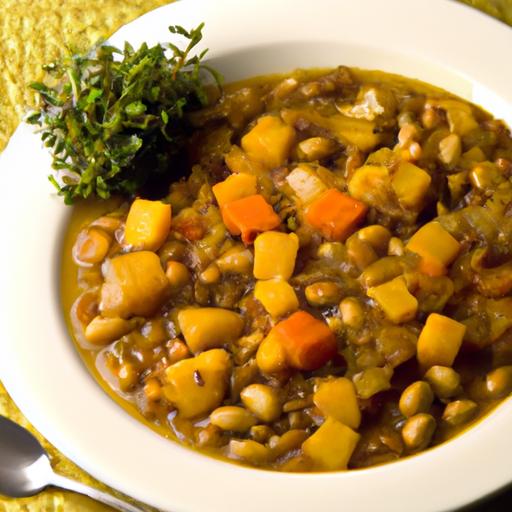
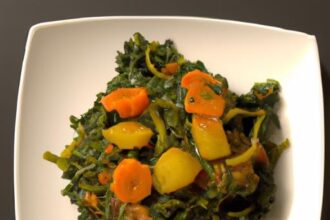
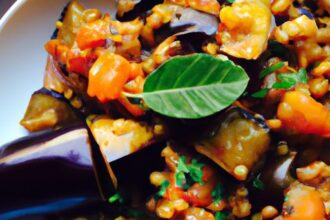
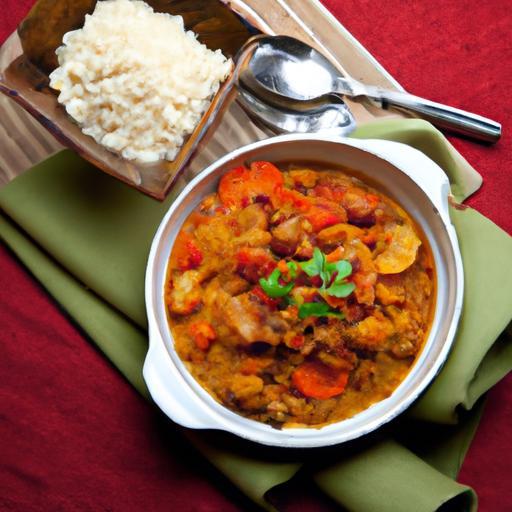
Nestled within the vibrant culinary tapestry of West Africa lies a dish that tells a story as rich and comforting as its flavors: Guinean Maafe. Ofen described as peanut butter stew, Maafe is far more than just a hearty meal-it’s a delicious journey through history, culture, and tradition. This creamy,aromatic stew combines tender meats or vegetables with a fragrant blend of tomatoes,spices,and,most notably,the deep,nutty essence of ground peanuts. As we dive into the world of Guinean Maafe, prepare to explore how this beloved dish brings together communities, celebrates local ingredients, and offers a taste experience that warms the soul with every spoonful.
Guinean Maafe is more than just a delicious stew; it is indeed a vibrant celebration of West African culinary heritage that centers on rich, aromatic peanut butter and hearty, wholesome ingredients. Originating in Guinea, this beloved dish carries generations of cultural significance, symbolizing community, warmth, and the nurturing spirit of home-cooked meals.
Origins and Cultural Significance of guinean Maafe
Rooted deeply in the traditions of the Mandinka people, Guinean Maafe connects families across West Africa through its unique peanut butter base-a crop historically vital to the region’s agriculture. Traditionally served during communal gatherings and festive occasions, this stew fosters togetherness, embodying a collective sense of identity and pride. Its hearty textures and layered flavors tell stories of land, labour, and love, making every spoonful an immersive taste of Guinean history and soul.
Key Ingredients That Define the Authentic peanut Butter Stew
- Natural peanut butter: The foundation of Maafe’s creamy, nutty depth.
- Tomatoes: Fresh or canned,they bring tangy brightness that balances richness.
- Onions and garlic: Essential aromatics that build the stew’s savory backbone.
- Vegetables: Usually carrots, sweet potatoes, or eggplant to add texture and earthy sweetness.
- Protein: Traditionally beef, lamb, or chicken, but can be adapted with chickpeas or tofu for vegetarians.
- Spices: Ginger, chili, and a hint of smoked paprika or cayenne to enhance warmth and complexity.
- Stock or water: To harmonize and soften the flavors into a luscious, thick consistency.
Prep and Cook Time
Readiness: 20 minutes
Cooking: 1 hour 15 minutes
Total: 1 hour 35 minutes
Yield
Serves 6 hearty portions
Difficulty Level
Medium – Perfect for cooks familiar with layering flavors, ready to try a soulful African classic
Step by Step Guide to Preparing Conventional Maafe at Home
- Prep the ingredients: dice 2 medium onions, mince 4 garlic cloves, and chop 3 large tomatoes or measure 1½ cups canned tomatoes. Peel and cube 2 medium sweet potatoes and slice 2 carrots. Cut 1 lb beef chuck into bite-sized cubes.
- Sauté aromatics: In a heavy-bottom pot, heat 3 tbsp vegetable oil over medium heat. Add onions and garlic, cooking until golden and fragrant, about 5 minutes, stirring occasionally to avoid burning.
- Brown the meat: Add the beef cubes and sear until each side is richly browned, about 8 minutes, locking in flavor.
- add spices & tomatoes: Stir in 1 tbsp grated fresh ginger, 1 tsp smoked paprika, and ½ tsp cayenne pepper. Pour in the tomatoes and cook for 10 minutes until the mixture thickens and deepens in color.
- Incorporate the peanut butter: Gradually whisk in 1 cup natural creamy peanut butter,ensuring it dissolves smoothly without lumps.
- Add vegetables and stock: Toss in the sweet potatoes and carrots, then pour 4 cups beef or vegetable stock. Bring to a gentle simmer, cover, and cook for 45 minutes until meat is tender and vegetables are soft.
- Final seasoning: Taste and adjust salt, pepper, or chili as needed. For extra dimension, stir in 1 tbsp fresh lemon juice just before serving to brighten the stew.
expert Tips for Enhancing Flavor and Serving Suggestions
For a richer stew, use homemade beef stock or incorporate smoked dried fish for an authentic twist. To keep the peanut butter smooth and luscious, always add it off direct heat and stir gently. Leftover Maafe tastes even better the next day as flavors meld, making it ideal for meal prep.
Serve piping hot over fluffy steamed white rice or traditional millet couscous. Garnish with chopped fresh cilantro and thinly sliced red chilies for a pop of color and heat. Complement your meal with lightly fried plantains or crunchy roasted peanuts for texture contrast.
| Nutrient | Per Serving |
|---|---|
| Calories | 420 kcal |
| Protein | 30 g |
| Carbohydrates | 25 g |
| Fat | 22 g |

Discover the magic of Guinean Maafe, a stew that invites you not only to savor bold, nutty flavors but to partake in a rich cultural tapestry. Explore more West African recipes on our site, or deepen your knowledge about peanut nutrition with trusted sources like Healthline.
Q&A
Q&A: Guinean Maafe – A Rich Journey into Peanut Butter Stew
Q1: What exactly is Guinean Maafe?
A1: Guinean Maafe, often simply called Maafe, is a beloved West African peanut butter stew originating from Guinea. This hearty dish blends the creamy richness of ground peanuts with savory meats and vegetables, creating a comforting, deeply flavorful stew that tells a story of tradition and community in every bite.
Q2: How did Maafe become a staple in Guinean cuisine?
A2: Maafe’s roots trace back centuries to the Mandinka people, one of Guinea’s largest ethnic groups. Peanuts, native to the region, were a natural ingredient to use. Over time,farmers and families developed this stew as a nourishing meal that combines local ingredients and reflects the communal spirit of Guinean cooking-where sharing food is as crucial as the flavors themselves.
Q3: What are the core ingredients that define Maafe?
A3: The magic of Maafe lies in its simple yet robust ingredients: ground peanuts or peanut paste, onions, tomatoes, garlic, and a mix of meats such as lamb, beef, or chicken. Vegetables like sweet potatoes, carrots, and leafy greens often join the party. The peanut butter base gives Maafe its characteristic creaminess and a subtle nutty sweetness.
Q4: How does Maafe reflect Guinean culture and history?
A4: Beyond being a dish, Maafe embodies Guinean hospitality and resilience. It’s traditionally cooked in large pots during festivals or family gatherings, symbolizing unity and shared heritage. The stew’s hearty nature also speaks to the agricultural history of the region, showcasing indigenous crops and the ingenuity of turning simple ingredients into a feast.
Q5: Can Maafe be adapted for modern or international palates?
A5: absolutely! While staying true to its roots, Maafe is wonderfully versatile. Vegetarians can swap meat for mushrooms or chickpeas, and spices can be adjusted for heat or depth-think adding smoked paprika or chili.Served over rice or couscous, it bridges cultures deliciously, inviting adventurous eaters worldwide to savor a spoonful of Guinea’s rich culinary journey.
Q6: What’s the best way to enjoy Guinean Maafe?
A6: For an authentic experience, serve Maafe steaming hot over fluffy white rice or millet. Pair it with a side of greens or a fresh salad to balance the richness. The stew tastes even better the next day, when the flavors have melded beautifully-making it perfect for sharing stories around the table with loved ones.
Q7: Why is Guinean maafe considered more than just a stew?
A7: Maafe is a cultural emblem-a dish that nourishes body and soul alike.It’s a culinary bridge linking generations, regions, and people. Each pot stirred carries memories,celebrations,and a deep respect for the land and traditions of Guinea,making it not just food,but a rich journey into history and heart.
Wrapping Up
As the aromatic spices settle and the creamy peanut sauce leaves its warm embrace on your palate, Guinean Maafe reveals itself not just as a stew, but as a heartfelt story simmered through generations. This rich peanut butter delight invites you to explore the vibrant tapestry of Guinea’s culinary heritage-where every spoonful connects you to a culture defined by resilience, community, and flavor. Whether served over rice or enjoyed with fufu, Maafe remains a delicious journey worth savoring, reminding us that food is indeed a powerful bridge to history and home.