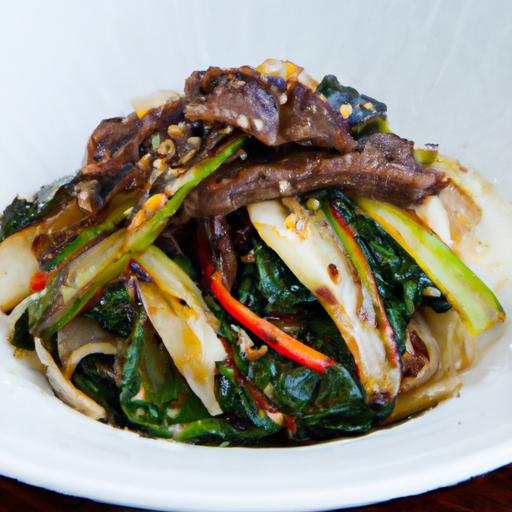
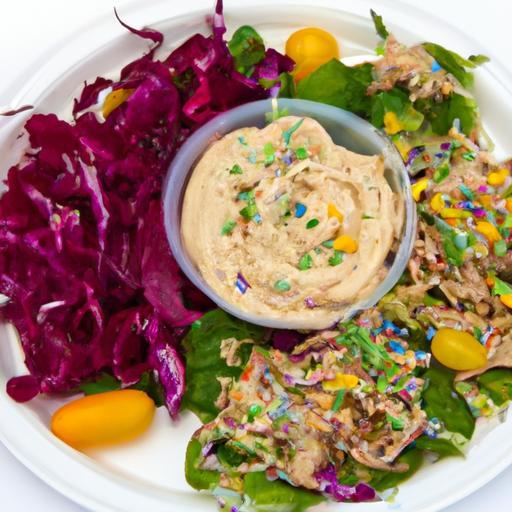
Gut Health Foods play a vital role in modern wellness, and Gut Health Foods rooted in Korean tradition offer exceptional balance and nourishment. Korean Gut Health Foods such as kimchi highlight how Gut Health Foods cultivate digestive harmony naturally. Exploring Gut Health Foods through Korean Gut Health Foods reveals how Gut Health Foods strengthen the body from within. By embracing Gut Health Foods daily, Korean Gut Health Foods transform simple meals into functional nourishment, proving Gut Health Foods are essential to long-term vitality through Korean Gut Health Foods.
Gut Health Foods continue to gain recognition as Korean Gut Health Foods demonstrate the power of fermentation. Korean Gut Health Foods like doenjang and fermented vegetables reinforce why Gut Health Foods are foundational to digestive balance. Integrating Gut Health Foods into everyday routines shows how Korean Gut Health Foods sustain wellness effortlessly. With centuries of tradition behind them, Gut Health Foods and Korean Gut Health Foods remain timeless allies in supporting digestion, immunity, and overall well-being through consistent enjoyment of Gut Health Foods.
Prep and Cook Time
- Readiness: 25 minutes
- Fermentation: 5 days (minimum)
- Total: Approximately 5 days and 25 minutes
Yield
- About 4 cups (8 servings, as a side dish)
Difficulty Level
- Medium – Requires attentive fermentation but easy to assemble
Ingredients
- 1 medium napa cabbage (about 2 pounds), quartered and rinsed
- 1/4 cup sea salt (for initial brining)
- 4 cups cold water
- 1 tablespoon glutinous rice flour
- 1 cup Korean red chili flakes (gochugaru)
- 4 cloves garlic, finely minced
- 1 teaspoon fresh ginger, grated
- 3 scallions, sliced thinly
- 1 small Korean radish, julienned
- 2 tablespoons fish sauce (or soy sauce for vegan option)
- 1 teaspoon sugar
Instructions
- Salting the Cabbage: Dissolve the sea salt in 4 cups of cold water. Submerge the quartered napa cabbage in the brine for 3-4 hours, turning every 30 minutes to ensure even salting. The cabbage will soften and release moisture essential for fermentation.
- Prepare the Rice Paste: In a small saucepan, whisk together 1 tablespoon glutinous rice flour and 1 cup water. Heat gently, stirring constantly until it thickens to a porridge-like consistency. Set aside to cool wholly.
- Make the Kimchi Paste: Combine the cooled rice paste with gochugaru,minced garlic,grated ginger,fish sauce,and sugar in a bowl. Stir until smooth and vibrant red in color. adjust the amount of chili flakes depending on your heat preference.
- Rinse and Drain Cabbage: thoroughly rinse the salted cabbage under cold water two to three times to remove excess salt. Squeeze out excess water gently, then place in a large mixing bowl.
- Mix in Vegetables and Paste: Add the sliced scallions and julienned radish to the cabbage. Wearing gloves, coat the vegetables evenly with the kimchi paste, ensuring each leaf is well covered to encourage even fermentation.
- Pack and Ferment: Transfer the mixture tightly into a clean glass jar or fermentation container.Press down firmly to minimize air pockets. Leave about 1 inch of headspace. Seal loosely or cover with a cloth to allow gases to escape.
- Fermentation Process: Leave the jar at room temperature (65-72°F / 18-22°C) for 2-3 days,tasting daily. Once it reaches your preferred tanginess, refrigerate to slow fermentation. Kimchi develops deeper flavors over 1 to 2 weeks.
Chef’s Notes: Tips for Success
- Gloves are essential when mixing the chili paste to protect your skin from irritation.
- Use non-iodized salt for crisp, clean fermentations; iodized salt can inhibit bacterial growth.
- For a vegan alternative, substitute fish sauce with soy sauce or tamari.
- Store kimchi underwater in the jar to prevent oxidation; a clean fermentation weight or a smaller jar lid can help.
- Experiment with adding fresh pineapple or pear for a subtle, natural sweetness enhancing fermentation.
- If you wish to prepare in advance, you can skip fermenting initially and enjoy as a quick kimchi-style salad for fresh crunchiness.
Serving Suggestions
- Enjoy kimchi as a vibrant side to steamed rice and grilled meats, balancing richness with its zingy acidity.
- Incorporate it into bibimbap, the iconic Korean mixed rice bowl that celebrates crunchy textures and vibrant colors.
- Use kimchi as a topping for creamy avocado toast or savory pancakes to add umami depth.
- Pair with warming doenjang jjigae (soybean paste stew) for a gut-boosting korean meal that’s comforting and nutritious.
- Garnish with toasted sesame seeds and sliced scallions to elevate presentation and add mild nuttiness.
| Nutrient | Per 1/2 cup serving |
|---|---|
| Calories | 25 kcal |
| Protein | 1.2 g |
| Carbohydrates | 4 g |
| Fat | 0.1 g |
| Fiber | 2 g |
For a deeper dive into Korean fermentation techniques and the science behind their health benefits, explore the National Center for Complementary and Integrative Health. To further enhance your wellness journey,check out our guide on Korean Fermented Foods for Beginners.

Q&A
Q&A: Unlocking Wellness - The Power of Korean Gut Health Foods
Q1: Why is gut health gaining so much attention in wellness circles today?
A1: Our gut is often called the “second brain” because it houses a complex ecosystem of trillions of microbes that influence digestion, immunity, mood, and even cognition. When this ecosystem is balanced and thriving, it helps us absorb nutrients efficiently, fend off disease, and maintain overall vitality. As science uncovers more about the gut’s influence on health, nourishing it has become a cornerstone of modern wellness.
Q2: What makes Korean gut health foods particularly unique?
A2: Korean cuisine is a treasure trove of traditional fermented foods rich in probiotics-the live bacteria that boost gut flora. Unlike many Western fermented products, Korean foods like kimchi and doenjang (fermented soybean paste) are packed with diverse microbial strains, vitamins, and antioxidants. The centuries-old fermentation techniques create robust flavors along with potent health benefits, turning everyday meals into gut-healing experiences.
Q3: Can you name some key Korean gut-amiable foods and their benefits?
A3: Absolutely! Here are a few star players:
- Kimchi: This spicy, tangy fermented cabbage bursts with probiotics and antioxidants. It helps balance gut bacteria, reduce inflammation, and even boost metabolism.
- Doenjang: A rich soybean paste loaded with probiotics,it supports digestion and heart health by promoting healthy cholesterol levels.
- Makgeolli: A mildly sweet fermented rice drink full of beneficial yeasts and bacteria that aid digestion and provide a gentle mood lift.
- Kongjang: Roasted fermented soybeans high in fiber and protein, supporting gut microbes and sustaining energy.
Q4: How can someone incorporate these Korean foods into their daily diet without feeling overwhelmed?
A4: Start small! Add a spoonful of kimchi as a side to lunches or dinners for a flavorful probiotic boost. Swap regular soy sauce for fermented doenjang sauce in soups or marinades. Try a glass of chilled makgeolli as a refreshing evening tonic. These intuitive swaps infuse your meals with gut-friendly goodness without demanding a culinary makeover. Plus, exploring Korean recipes can be a fun adventure in the kitchen!
Q5: Are Korean gut health foods suitable for everyone?
A5: Generally, yes-these foods are natural and nutrient-dense. However, people with certain digestive conditions like histamine intolerance or severe IBS might need to introduce fermented foods gradually or consult a healthcare provider. also, because kimchi and some other Korean foods can be spicy or salty, moderation is key for those with sensitivities or high blood pressure.
Q6: Beyond digestion, what other wellness benefits do these Korean foods offer?
A6: The ripple effects extend far beyond the gut! Probiotic-rich Korean foods can enhance immune resilience, reduce chronic inflammation, improve skin health, and even influence mental well-being by nurturing the gut-brain axis. In essence, they help cultivate a harmonious internal environment that radiates outward, supporting vitality and longevity.
Q7: What’s the best way to ensure you’re getting authentic, healthful Korean gut foods?
A7: Authenticity and quality matter. Seek out traditionally fermented products without artificial preservatives or excessive additives. Homemade or small-batch Korean markets often offer superior probiotic profiles over mass-produced alternatives. If adventurous in the kitchen, try making your own kimchi or doenjang-a rewarding practice that connects you to centuries of Korean wellness heritage.
Q8: How does embracing Korean gut health foods tie into the broader journey of unlocking wellness?
A8: Wellness isn’t a trend; it’s a lifestyle rooted in balance and harmony. Korean gut health foods invite us to slow down, savor natural processes like fermentation, and honor the wisdom embedded in traditional diets.By nourishing our inner ecosystem, we unlock not just physical health but a deeper sense of well-being, resilience, and joyful living.
Discover the ancient secrets bubbling within Korea’s fermented foods and embark on a appetizing journey to better gut health-and a brighter, healthier you!
In Retrospect
As we journey toward holistic wellness, the ancient wisdom of Korean gut health foods offers a vibrant pathway to balance and vitality. From tangy kimchi to hearty doenjang, these flavorful staples do more than delight the palate-they cultivate a thriving microbiome that supports digestion, immunity, and overall well-being. Unlocking the power of these time-honored ingredients invites us to nourish not just our bodies, but our connection to culture and tradition. Embracing Korean gut health foods is more than a dietary choice; it’s a celebration of life’s complex,harmonious interplay within.So why not take a step today toward unlocking your own wellness, one probiotic-rich bite at a time?