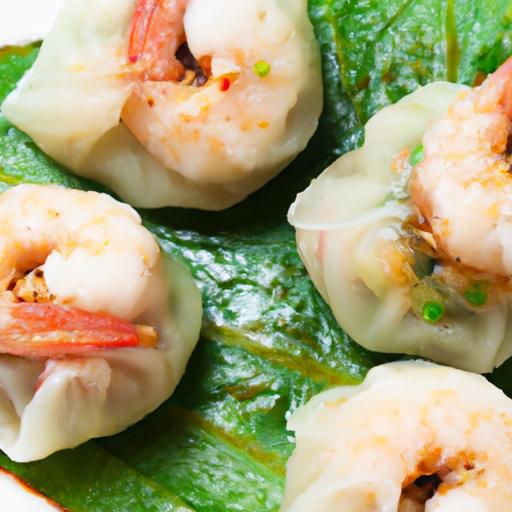
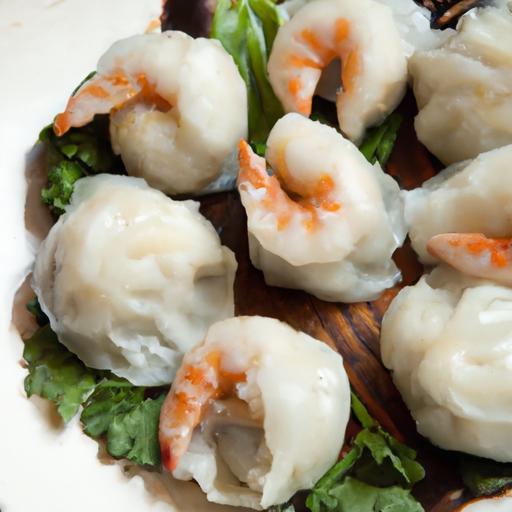
Delve into the delicate art of crafting Har Gow, the quintessential Cantonese shrimp dumplings that have captivated taste buds around the world. With their translucent wrappers gently embracing a succulent shrimp filling, these dumplings are a marvel of texture, flavor, adn tradition.Weather you’re a seasoned dim sum enthusiast or an adventurous home cook, mastering Har Gow is both a rewarding challenge and a flavorful journey. In this article, we unlock the secrets behind the perfect dough, the ideal shrimp mixture, and expert folding techniques, guiding you step-by-step toward creating dumplings that are as stunning to look at as they are delightful to savor. Get ready to elevate your culinary repertoire and bring a timeless dim sum classic to your own kitchen table.
Mastering Har Gow means unraveling each subtle detail that makes these shrimp dumplings a true dim sum treasure. From achieving the perfect translucent dough to selecting shrimp that burst with texture and sweetness, every step is an art form. The delicate pleats that embrace the filling symbolize culinary elegance, while the steaming process transforms simple ingredients into a melt-in-your-mouth experience. Let’s explore how to bring this iconic dish to life with precision and passion.
Prep and Cook Time
- Preparation: 45 minutes
- Cooking (Steaming): 8-10 minutes
- Total Time: 55 minutes
Yield
Makes approximately 20-24 dumplings, serving 4-6 people as an appetizer or part of a dim sum feast.
Difficulty Level
Intermediate – Requires finesse in dough handling and proper folding techniques, but achievable with patience and practice.
Ingredients
- For the Dough:
- 1 cup (120g) wheat starch, sifted
- ½ cup (65g) tapioca starch
- ¾ cup (180ml) boiling water
- 1 tbsp vegetable oil
- ¼ tsp salt
- For the Shrimp Filling:
- 12 oz (340g) fresh shrimp, peeled and deveined
- 1 tbsp finely grated ginger
- 1 tsp cornstarch
- 1 tsp sesame oil
- ½ tsp sugar
- 1 tsp Shaoxing wine or dry sherry
- 2 stalks green onion, finely chopped
- Salt and white pepper to taste
Instructions
- Prepare the Har Gow Dough: In a large heatproof bowl, combine the sifted wheat starch, tapioca starch, and salt. Carefully pour the boiling water over the starch mixture,mixing quickly with chopsticks or a wooden spoon until a sticky dough forms.Promptly add the vegetable oil and knead the dough on a clean surface while still warm, rolling it into a smooth ball. Cover with a damp cloth and let rest for 20 minutes to hydrate fully.
- Select and Prepare Shrimp: choose fresh, translucent shrimp with a firm, springy texture for ideal filling. Roughly chop shrimp into coarse pieces, allowing the filling to retain a satisfying bite rather than becoming mushy. Mix chopped shrimp with ginger, cornstarch, sesame oil, sugar, Shaoxing wine, green onion, salt, and white pepper. Set aside in the refrigerator to meld flavors.
- Roll and Cut the Dough: Divide dough into 20-24 equal portions. Roll each into a small ball and flatten into a thin,round wrapper about 3 inches in diameter using a lightly oiled surface and rolling pin. The dough should be thin but sturdy enough to hold the filling without tearing.
- Folding the Dumplings: Place a teaspoon of shrimp filling in the center of a wrapper. To achieve the signature elegant pleats, fold the dough over the filling into a half-moon shape. Starting at one edge,create 7-8 small,overlapping pleats along the curve,pinching tightly to seal. This delicate folding not only ensures the dumplings hold together but also creates the classic translucent crescent, showcasing the plump filling inside.
- Steaming Process: Line a bamboo steamer with parchment paper or cabbage leaves to prevent sticking. Arrange dumplings with slight spacing. Steam over boiling water using a covered wok or steamer for 8-10 minutes. Avoid oversteaming to keep the dough tender yet firm and translucent. The result is a glistening, delicate wrapper that reveals the juicy shrimp within.
Chef’s Notes
- Use fresh shrimp for vibrant flavor and texture; frozen shrimp often release excess water causing soggy filling.
- The dough’s heat-sensitive starch blend requires swift kneading; let it rest to relax the dough for easier rolling.
- If the dough is too sticky, dust your hands lightly with tapioca starch rather than flour to maintain translucency.
- Practice makes perfect: mastering pleating can take time, but the process is meditative and rewarding.
- For variations, consider adding finely chopped water chestnuts or bamboo shoots to the filling for crunch.
- Make-ahead tip: Assemble dumplings and freeze uncooked on trays; steam directly from frozen, adding 2 extra minutes to cooking time.
Serving Suggestions
Present hot Har Gow on a bamboo steamer basket for an authentic touch. Garnish with thinly sliced scallions or fresh cilantro to brighten appearance and aroma. Serve alongside a dipping sauce of soy sauce, black vinegar, and a touch of chili oil for a harmonious balance of flavors. Accompany with steamed vegetables or fried rice to complete a delightful dim sum experience. Pair with jasmine tea to cleanse the palate and elevate each bite.
| Nutrient | Per Serving (4 dumplings) |
|---|---|
| Calories | 150 |
| Protein | 12g |
| Carbohydrates | 18g |
| Fat | 3g |

For a deeper dive into customary dough-making techniques, visit this trusted guide from Serious Eats. Curious about other dim sum recipes? Check out our Classic Dim Sum Recipe Collection for inspiration that complements your Har Gow skills perfectly.
Q&A
Q&A: Mastering Har Gow – The Ultimate Shrimp Dumplings Recipe
Q1: What exactly is Har Gow, and why is it so beloved in Chinese cuisine?
A1: Har Gow, frequently enough hailed as the crown jewel of Cantonese dim sum, is a delicate shrimp dumpling wrapped in a translucent, tender rice flour skin. Its perfect harmony of a springy,slightly chewy wrapper enveloping the juicy,flavorful shrimp filling has made it a timeless favorite. Beyond taste, Har Gow showcases the artistry and precision required in traditional dim sum-making, making it both a culinary and cultural treasure.
Q2: What makes the wrapper of Har Gow so unique compared to other dumplings?
A2: Unlike typical wheat-based dumplings,Har Gow wrappers are made primarily from a mixture of wheat and tapioca starches,which create that signature translucent,almost glass-like appearance when steamed. Achieving the perfect thickness is a balancing act-it must be thin enough to elegantly reveal the shrimp filling but sturdy enough to hold the juicy interior without tearing.
Q3: Can you share the essential ingredients for making authentic Har Gow?
A3: Certainly! The heart of Har Gow is fresh, succulent shrimp, frequently enough mixed with a touch of pork fat or bamboo shoots for added texture and juiciness. The wrapper requires wheat starch and tapioca starch for that signature chew and translucency. Seasoning is typically simple-white pepper, a pinch of salt, a splash of sesame oil, and sometimes a hint of ginger and scallions to brighten the filling.
Q4: What’s the trick to making perfectly pleated Har Gow wrappers?
A4: Mastering the pleats is both a test of patience and dexterity. Use a small rolling pin to roll out each wrapper until translucent, then place a small spoonful of filling in the center. Fold the wrapper in half and create 7 to 10 delicate pleats along the edge, pinching tightly to seal. This not only locks in the juices but gives Har Gow its iconic crescent shape and elegant texture that melts in your mouth.
Q5: How do you steam Har Gow for the best texture and flavor?
A5: Steaming is an art – use a bamboo steamer lined with cabbage leaves or parchment to prevent sticking. Arrange dumplings with enough space to avoid them sticking together.Steam over boiling water for about 6-8 minutes until the dough turns translucent and the shrimp inside is tender and juicy. Avoid over-steaming, which might make the wrappers tough or overly sticky.
Q6: Any creative twists or tips to elevate your Har Gow experience?
A6: Absolutely! You can experiment by adding crushed water chestnuts or fresh herbs like cilantro into the filling for added crunch and aroma. For an elegant twist, pair Har Gow with a dipping sauce made from black vinegar, a touch of soy sauce, and chili oil. And for those adventurous cooks, try incorporating smoky lobster or scallops to reinvent this classic while honoring its roots.
Q7: How tough is it for a home cook to master Har Gow, and what’s the best way to start?
A7: Har Gow is often considered a dim sum ‘gold standard’ because of its delicate balance of textures and skillful folding.But with patience and practice, any home cook can master it! Start by perfecting the dough consistency and wrapper thinning technique before tackling the pleats. Watching tutorial videos, prepping your filling meticulously, and embracing trial and error will turn this daunting dish into a rewarding culinary accomplishment.
Q8: Why should someone go through the effort to make Har Gow at home instead of buying it from a restaurant?
A8: While restaurant Har Gow is undeniably delicious, making it at home offers a deeply rewarding experience-both creatively and culturally. You gain hands-on insight into dim sum craftsmanship,can tailor the flavors exactly to your liking,and share the joy of handmade dumplings with family and friends. Plus, the aroma and warmth of freshly steamed Har Gow straight from your kitchen is an unbeatable delight!
Mastering Har Gow is more than just cooking; it’s an art form that connects you to a rich culinary heritage. With this ultimate recipe and insider tips, you’re ready to embark on a flavorful journey, dumpling pleats and all!
Wrapping Up
As you fold the final pleat and steam your perfectly translucent Har gow, remember that mastering this cherished dish is more than just following a recipe-it’s about honoring a tradition steeped in generations of skill and flavor. With each delicate dumpling you create, you’re not only serving a bite of exquisite shrimp but also a piece of culinary heritage. So, whether you’re crafting these bite-sized treasures for a festive gathering or a quiet night in, let your newfound mastery of Har Gow inspire you to explore deeper into the art of dim sum. Happy steaming, and may your dumplings always be plump, tender, and bursting with flavor!