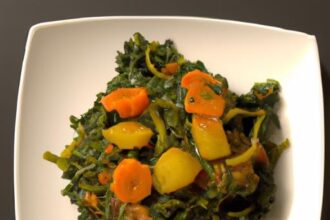
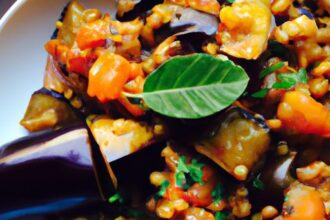
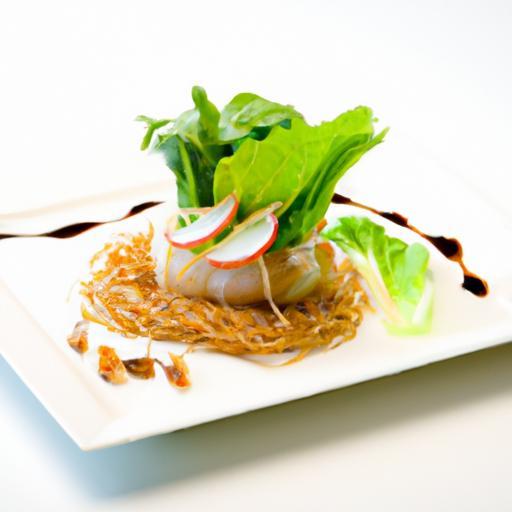
In the intricate dance of flavors, colors, and textures lies the essence of Japanese cuisine-a culinary beliefs where balance is not just a goal but a way of life. “Harmony on a Plate: Exploring the Japanese Balanced Diet” invites you to delve into a world where every meal is a thoughtfully composed symphony,blending nutrition,tradition,and simplicity. Beyond sushi and ramen, the Japanese diet showcases an artful equilibrium that nurtures both body and soul, reflecting centuries of cultural wisdom. Join us as we uncover how this harmonious approach to eating offers not only delicious satisfaction but also a blueprint for longevity and well-being.
Harmony on a plate is the essence of Japanese culinary philosophy, and mastering Ichiju Sansai offers an inspiring lens into this balanced diet tradition.Rooted in centuries-old customs, this meal composition revolves around the delicate interplay of one soup and three side dishes, framing a bowl of rice. It’s not only a feast for the palate but also a mindful journey into seasonal ingredients that celebrate nature’s bounty while delivering optimal nutrition and vibrant flavors. Today, we’ll guide you through crafting a perfect Ichiju Sansai meal that balances nourishment, portion wisdom, and timeless tradition with a fresh, modern approach.
Prep and Cook Time
- Prep Time: 25 minutes
- Cook Time: 35 minutes
- Total Time: 60 minutes
Yield
4 balanced servings
Difficulty Level
Medium – perfect for home cooks ready to deepen their familiarity with Japanese flavors and presentation techniques.
Ingredients
- For the Soup (Miso Soup):
- 4 cups dashi stock (kombu and bonito broth)
- 3 tbsp white miso paste
- 100g silken tofu, diced
- 2 tbsp wakame seaweed (rehydrated)
- 2 scallions, finely sliced
- For Simmered Side dish (Nimono):
- 2 medium carrots, sliced diagonally
- 1 small daikon radish, peeled and cubed
- 100g konnyaku, drained and sliced
- 2 tbsp soy sauce
- 1 tbsp mirin
- 1 tbsp sake
- 1 cup dashi stock
- For Pickled Side Dish (Sunomono):
- 1 cucumber, thinly sliced
- 2 tbsp rice vinegar
- 1 tbsp sugar
- ½ tsp salt
- 1 tsp toasted sesame seeds
- For Grilled Side Dish (Yakizakana):
- 4 fillets of sanma (Pacific saury) or mackerel
- pinch of sea salt
- Grated daikon with lemon (for serving)
- Rice: 2 cups Japanese short-grain rice, rinsed and cooked
Instructions
- Prepare the Rice: Rinse the rice thoroughly until the water runs clear. Soak for 30 minutes, then cook in a rice cooker or pot until fluffy.
- Make the Miso Soup: Heat dashi stock in a pot over medium heat. Dissolve miso paste by whisking a small amount of warm dashi into it before adding back to the pot. Add tofu and wakame; gently warm without boiling. Sprinkle with scallions before serving.
- Prepare the Nimono: In a saucepan, combine dashi, soy sauce, mirin, and sake. Add carrots, daikon, and konnyaku. Bring to a simmer and cook uncovered on medium-low heat until vegetables are tender, about 20 minutes.
- Make the Sunomono: Mix rice vinegar, sugar, and salt until dissolved. Toss cucumber slices in the mixture. Refrigerate for at least 15 minutes to marinate. Before serving, sprinkle with toasted sesame seeds for a nutty finish.
- Prepare the Yakizakana: Lightly salt the fish fillets and let them rest for 10 minutes. Grill under medium-high heat for 5-7 minutes on each side, until skin is crispy and flesh flakes easily. Serve with grated daikon and lemon wedge to balance the oily fish.
- Plate Thoughtfully: Arrange the rice in a small bowl, bowl of miso soup to the side, and the three sides (nimono, sunomono, and yakizakana) on individual small plates to embody the Ichiju Sansai spirit-each element distinct yet harmoniously balanced.
Tips for success
- Use freshly made dashi stock for the richest umami flavor-kombu and bonito flakes can be found at Japanese grocery stores or online.
- Season your simmered vegetables gently; the subtle flavor allows the natural sweetness of carrots and daikon to shine.
- To add seasonal variation, swap nimono vegetables to squash or lotus root in autumn and bamboo shoots in spring.
- The sunomono cucumber can be replaced with wakame or thinly sliced daikon for textural diversity.
- If fresh fish is unavailable, try grilled salmon or even teriyaki chicken for a protein alternative without losing balance.
- Prepare the sunomono ahead of time to allow the flavors to meld beautifully.
Serving Suggestions
Present your Ichiju Sansai meal on elegant ceramic dishes, each component showcased with care. garnish the grilled fish with a small shiso leaf or a sprinkle of sesame seeds for color contrast. Place a small bowl of pickled vegetables beside the rice to cleanse the palate between bites. Pair this meal with green tea or a delicate cold sake to amplify the freshness and lightness that define Harmony on a Plate.
| Component | Calories | Protein (g) | Carbs (g) | Fat (g) |
|---|---|---|---|---|
| Rice (½ cup cooked) | 120 | 2.5 | 26 | 0.3 |
| Miso Soup | 50 | 4 | 4 | 1 |
| Nimono | 80 | 3 | 9 | 0.5 |
| Sunomono | 25 | 1 | 6 | 0.1 |
| Yakizakana (grilled fish) | 200 | 22 | 0 | 12 |

The Harmony on a Plate approach teaches us that mindful portions, seasonally inspired ingredients, and the respectful balance of tastes create meals that nourish the body and soul alike. Embrace this Japanese tradition in your home kitchen and enjoy the timeless art of Ichiju Sansai every day.
For more insights into Japanese culinary balance,check out our in-depth guide on seaweed’s nutritional power,and learn about the foundational history of Ichiju Sansai from a trusted source.
Q&A
Q&A: Harmony on a Plate – Exploring the Japanese Balanced Diet
Q1: What dose “Harmony on a Plate” mean in the context of the Japanese diet?
A1: The phrase “Harmony on a Plate” beautifully captures the philosophy behind the Japanese balanced diet. It’s about creating a meal where flavors, colors, textures, and nutritional elements come together in perfect equilibrium-much like a well-composed symphony. Each dish plays a vital role, supporting health and delighting the senses simultaneously.
Q2: How does the Japanese balanced diet differ from other dietary approaches?
A2: Unlike many diets that focus on restricting certain foods or nutrients,the Japanese balanced diet emphasizes variety and moderation. It values seasonal, minimally processed ingredients and encourages a colorful plate rich in vegetables, fish, grains, and fermented foods. This approach nurtures longevity and vitality, rather than quick fixes or extremes.Q3: What are the cornerstone components of the Japanese balanced diet?
A3: At its core,the diet features rice or other whole grains as a staple,alongside an abundance of fresh vegetables and seaweed. fish and seafood provide high-quality protein and omega-3 fatty acids, while soy products like tofu offer plant-based protein. Fermented foods such as miso, natto, and pickles deliver probiotics for gut health. Green tea is frequently enough the drink of choice, rounding off the meal.
Q4: Why is portion control vital in this diet?
A4: Portion control is a subtle but powerful aspect of achieving harmony on the plate. The Japanese practise called hara hachi bu, eating until 80% full, prevents overeating and supports digestion.Meals are composed of small dishes, promoting mindful eating and ensuring that no single food overwhelms the palate or the body.
Q5: How do aesthetics influence the Japanese balanced diet?
A5: Visual harmony is as critically important as nutritional balance. Presentation reflects the seasons, showcasing nature’s bounty through vibrant colors and artful arrangement. This elevates eating into a mindful ritual, where the beauty of the meal encourages slower, more appreciative consumption-contributing to overall wellbeing.
Q6: Can adopting aspects of the Japanese balanced diet improve modern eating habits?
A6: Absolutely.Embracing the diet’s principles-diversity, moderation, seasonality, and aesthetic enjoyment-can transform how we relate to food. It encourages listening to our bodies,savoring each bite,and nourishing ourselves holistically. While the diet may be rooted in Japanese culture, its wisdom resonates universally for anyone seeking a balanced, joyful approach to eating.
Q7: What practical tips can beginners take to start creating “Harmony on a Plate”?
A7: Start small: integrate more vegetables and seafood into your meals, switch from refined to whole grains, and experiment with fermented foods like miso soup or pickles.Embrace colorful plates and try eating a bit less than usual. Most importantly, slow down and engage all your senses-taste, sight, smell, and texture-turning every meal into a celebration of balance and health.
Wrapping Up
As we close this exploration of the Japanese balanced diet, we find that harmony on a plate is more than just a culinary concept-it is indeed a way of embracing nature’s rhythm and nourishing both body and soul. Through mindful portions, seasonal ingredients, and the delicate interplay of flavors and textures, this diet invites us to savor food not merely as sustenance but as an artful celebration of balance. Whether inspired to introduce miso soup to your mornings or incorporate a medley of vegetables and fish in your meals, the principles behind Japan’s approach offer timeless wisdom: that well-being begins with thoughtful choices, crafted with care. In the pursuit of health, maybe the secret lies not in extremes, but in the graceful dance of simplicity and variety-harmonizing every bite on our plates.