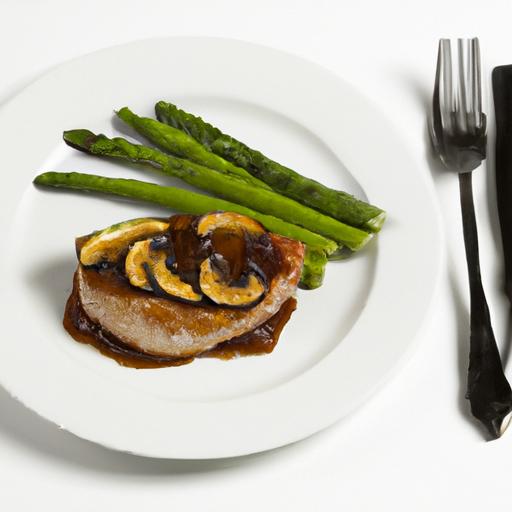
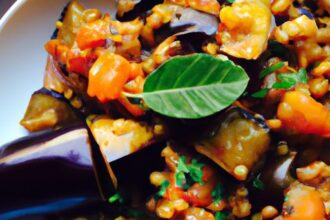
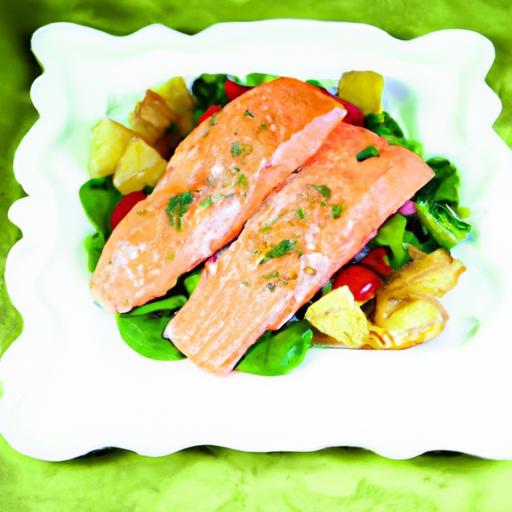
In a world where culinary traditions run deep and flavor often takes center stage, the challenge of marrying taste with health can seem daunting. Yet, nestled within the diverse kitchens of Europe lies a treasure trove of low-fat recipes-each one a testament to vibrant ingredients and mindful cooking. Healthy Bites: Exploring Low-Fat European recipes Delight invites you on a tasty journey across the continent,uncovering dishes that prove healthy eating doesn’t mean sacrificing pleasure.From Mediterranean freshness to Nordic simplicity,these recipes celebrate wholesome flavors and balanced nutrition,inspiring you to savor every bite with both joy and wellness in mind.
Healthy Bites: Exploring Low-Fat European recipes Delight begins by celebrating the magic of traditional European ingredients that effortlessly balance flavor and nutrition. Lean proteins, aromatic fresh herbs, and vibrant vegetables have long been the pillars of authentically crafted dishes that are both light and satisfying. This recipe embraces these elements, showcasing how to master the art of reducing fat without compromising the rich heritage and depth synonymous with European cuisine.
Prep and Cook Time
Prep Time: 20 minutes
Cook Time: 30 minutes
Total Time: 50 minutes
Yield
Serves 4
Difficulty Level
Easy to Medium
Ingredients
- 400g skinless chicken breast, thinly sliced
- 1 tbsp extra virgin olive oil
- 2 cloves garlic, finely minced
- 1 medium shallot, finely chopped
- 1 cup low-sodium chicken broth
- 150g fresh baby spinach, washed
- 1 large carrot, julienned
- 1 tbsp fresh lemon juice
- 2 tbsp fresh flat-leaf parsley, chopped
- 1 tbsp fresh thyme leaves
- Salt and freshly cracked black pepper, to taste
- 100g cooked quinoa (optional, for added fiber and texture)
- 1 tsp smoked paprika
Instructions
- Prepare the chicken: Pat the chicken breast slices dry with paper towels. Season lightly with salt, pepper, and smoked paprika for a subtle smoky flavor.
- Sauté aromatics: Heat the olive oil in a large non-stick skillet over medium heat. Add the shallot and garlic, sautéing until translucent and fragrant, about 2-3 minutes. Stir frequently to avoid burning.
- Cook the chicken: Add the chicken slices to the skillet in a single layer. sauté until golden and cooked through,approximately 6-8 minutes,turning halfway to ensure even cooking.
- Add broth and veggies: Pour in the chicken broth, then add the julienned carrots and fresh spinach. Stir gently to combine. Let the mixture simmer for 5 minutes, allowing the broth to reduce slightly and the spinach to wilt beautifully.
- Finish with herbs and lemon: Remove the skillet from heat.Stir in fresh parsley, thyme, and lemon juice for a burst of luminous, herbal freshness.
- Optional quinoa: Spoon cooked quinoa onto plates and top with the chicken and vegetable mixture for a wholesome, balanced meal.
Tips for Success
- Lean proteins: Use turkey breast or firm white fish as an alternative to chicken for similar lean results.
- Herb swaps: Fresh basil or dill can replace parsley and thyme to add a new aromatic dimension.
- Make-ahead: the protein and vegetable mixture keeps well refrigerated for 2 days. Reheat gently to avoid drying.
- Broth choice: For a vegan twist,substitute chicken broth with low-fat vegetable broth and use firm tofu cubes.
- Visual tips: Julienne vegetables uniformly for an elegant, refined look reminiscent of French bistro classics.
Serving Suggestions
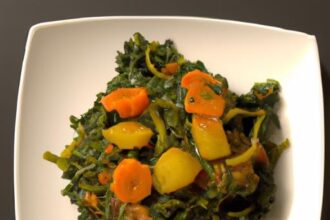
This dish shines when plated simply but elegantly. Use white ceramic plates to allow the vibrant orange carrots and deep green spinach to pop visually. Garnish with a fresh sprig of parsley or thyme on top for a restaurant-worthy touch. Pair with a crisp glass of dry white wine or sparkling water infused with lemon and mint to maintain a light dining experience.A side of crusty whole-grain baguette, lightly toasted, complements the dish without adding heaviness.
| Nutrient | Per Serving |
|---|---|
| Calories | 280 kcal |
| Protein | 38 g |
| Carbohydrates | 10 g |
| Fat | 6 g |

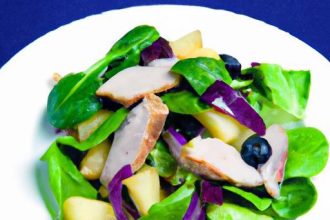
For more inspiring ideas on crafting light European meals with authentic flavors, check our Healthy European Salads Collection. To understand the nutritional benefits of a Mediterranean diet, visit the world Health Organization’s Healthy Diet Guidelines.
Q&A
Q&A: Healthy Bites - Exploring Low-Fat European Recipes Delight
Q1: What inspired the creation of “Healthy Bites: Exploring Low-Fat European Recipes Delight”?
A1: The inspiration came from a desire to blend the rich culinary traditions of europe with modern health-conscious habits. We wanted to showcase how low-fat cooking can maintain the vibrant flavors and cultural essence of European dishes without compromising on taste or nourishment.
Q2: How do European cuisines generally approach low-fat cooking?
A2: European cuisines vary widely, but many traditional recipes naturally emphasize fresh, wholesome ingredients like vegetables, lean proteins, legumes, and herbs. Mediterranean diets, such as, focus on olive oil and fresh produce, while Northern European dishes frequently enough incorporate seafood and root vegetables. Our exploration highlights these dishes and adapts them to limit unhealthy fats while preserving authenticity.
Q3: Can you give an example of a classic European dish transformed into a low-fat version?
A3: Certainly! Take the classic French Coq au Vin-traditionally a rich chicken stew braised in wine and butter. our low-fat version replaces butter with a splash of olive oil and uses skinless chicken breast instead of darker cuts, resulting in a lighter but equally comforting dish bursting with flavor.Q4: Are these low-fat recipes suitable for those following special dietary needs?
A4: absolutely. Many of the recipes can be adapted for gluten-free, vegetarian, or low-sodium diets by tweaking specific ingredients. We encourage readers to personalize the meals while keeping the core low-fat philosophy intact, making healthy European cuisine accessible and versatile.
Q5: What role do herbs and spices play in these low-fat European recipes?
A5: Herbs and spices are the unsung heroes of low-fat cooking. They elevate dishes without adding calories or fat-think fragrant rosemary, tangy lemon zest, smoky paprika, and fresh basil. These natural flavor boosters help recreate the complexity of traditional European fare while keeping the fat content in check.Q6: How can someone new to European cooking start incorporating these low-fat recipes into their weekly meals?
A6: Start simple! Pick a few dishes that appeal to you and gather the basic pantry staples-olive oil, fresh herbs, seasonal vegetables. Plan your meals around these recipes, and don’t be afraid to experiment. With each successful dish, you’ll build confidence and a deeper appreciation for Europe’s healthy culinary heritage.
Q7: What’s the biggest takeaway readers should have after exploring “Healthy Bites”?
A7: That healthy eating doesn’t mean sacrificing enjoyment or culture. Low-fat European recipes offer a delicious bridge between tradition and wellness, proving that mindful cooking can be both a nourishing lifestyle choice and a joyful culinary adventure.
key takeaways
As we close this culinary journey through the vibrant flavors of Europe, it’s clear that embracing low-fat recipes doesn’t mean sacrificing taste or tradition. From the zesty freshness of Mediterranean salads to the comforting warmth of Eastern European vegetable stews, Healthy Bites offers a delicious gateway to nourishing your body without losing the joy of eating. So, whether you’re seeking lighter meal options or simply eager to explore new tastes, these low-fat European delights invite you to savor every bite with both health and happiness in mind. Your next guilt-free culinary adventure awaits-bon appétit!