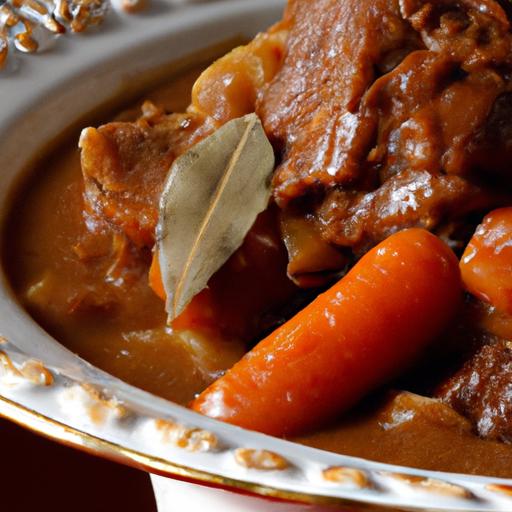
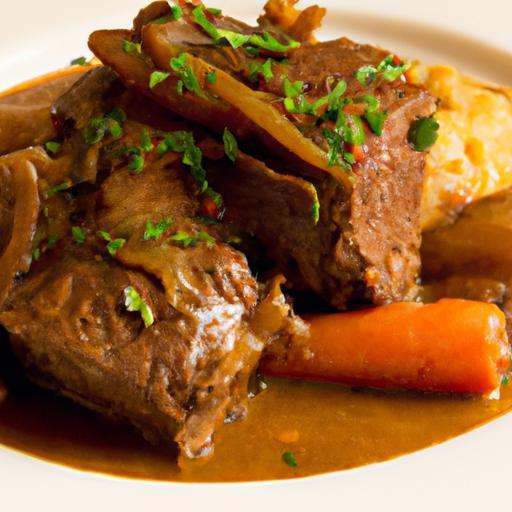
ThereS a certain magic in a pot of stew simmering slowly over hours-an alchemy where each ingredient melds into a symphony of rich, comforting flavors. Hearty Beef and Ale Stew is more than just a meal; it’s a culinary journey through time and tradition, inviting you to savor tender chunks of beef, earthy vegetables, and the deep, malty character of ale. This slow-cooked masterpiece not only warms the body but also stirs the soul, turning simple pantry staples into an unforgettable experience. Join us as we explore the art of crafting this beloved classic, where patience and passion transform humble ingredients into a heartwarming feast.
Hearty Beef and Ale Stew: A Slow-Cooked Flavor Journey
Hearty beef and ale stew is a timeless classic that embodies comfort in every bite. Originating from the rustic kitchens of the British Isles, this dish has evolved into a beloved staple that brings warmth and soul to any table. The rich, melting tenderness of slow-cooked beef combined with the deep complexity of a well-chosen ale creates a symphony of flavors that dance effortlessly on the palate.
Choosing the Perfect Cuts of Beef for Maximum Tenderness
For a truly indulgent beef and ale stew, selecting the right cut is paramount. Opt for well-marbled, tougher cuts that transform beautifully through slow cooking. Cuts like chuck, brisket, or short ribs have connective tissues that break down over time, releasing gelatin that naturally thickens your stew and gives the beef a buttery-soft texture. These cuts deliver maximum tenderness without losing their robust beefy essence, which is essential for the classic stew experience.
Selecting the Ideal Ale to Enhance Depth and Aroma
The ale you choose will shape the stew’s character profoundly. A rich, malty ale or a dark brown ale with caramel notes works perfectly, imparting nuanced aromas of roasted barley and subtle bitterness that balances the dish’s earthiness. Avoid overly hoppy or sour ales, as they can overwhelm the delicate herbs and tender beef. When simmered slowly with the beef, the ale melds deeply, amplifying the stew’s savory warmth.
Mastering the Art of Slow Cooking for Rich, Melting flavors
Patience is the secret ingredient. Slow cooking at low temperatures is what transforms a simple stew into a hearty, melt-in-the-mouth feast. By braising the beef gently over several hours, the fibers unravel and absorb the aromatic broth, enriching every bite with layered flavors. Stewing also allows the ale and herbs to fully infuse the meat, creating an intoxicating harmony of tastes that only time can craft.
Essential Herbs and Spices to Elevate Your Stew Experience
Herbs and spices are your flavor allies in taking this dish from good to unforgettable. Classic choices like thyme,bay leaves,and rosemary imbue the stew with woodsy,fragrant undertones. A pinch of black pepper and smoked paprika bolsters warmth and a subtle kick, while garlic and shallots contribute depth and sweetness. Fresh parsley sprinkled at the end brightens the rich stew for a perfectly balanced finish.
Prep and Cook Time
- Preparation: 25 minutes
- Cooking: 3 to 4 hours (slow simmer)
- Total Time: Approximately 3 hours 30 minutes
Yield
Serves 6 hearty portions, perfect for family dinners or cozy gatherings.
Difficulty Level
Medium – Requires patience and some prep work but yields rewarding results.
Ingredients
- 2 lbs beef chuck, cut into 1½-inch cubes
- 1 cup all-purpose flour, sifted (for dredging)
- 3 tbsp vegetable oil or beef fat, for searing
- 2 large onions, thinly sliced
- 4 garlic cloves, minced
- 3 carrots, peeled and cut into chunks
- 2 celery stalks, chopped
- 12 oz dark ale or brown ale (choose malt-forward, not too hoppy)
- 3 cups beef stock, preferably homemade or low sodium
- 2 tbsp tomato paste
- 2 bay leaves
- 3 sprigs fresh thyme
- 1 sprig fresh rosemary
- 1 tsp smoked paprika
- Salt and freshly ground black pepper, to taste
- Chopped fresh parsley, for garnish
Instructions
- Prepare the beef: Pat the beef chunks dry with paper towels to ensure a good sear. Dredge the beef lightly in flour, shaking off excess to avoid clumping.
- Brown the beef: Heat 2 tablespoons of oil in a heavy-bottomed Dutch oven over medium-high heat. In batches, sear the beef until deeply golden brown on all sides, about 5 minutes per batch. Remove and set aside.
- Sauté the aromatics: Lower heat to medium; add remaining oil and sauté onions and celery gently until translucent and caramelized, about 8 minutes. Stir in garlic and cook for 1 minute more.
- Deglaze with ale: Pour in the ale, scraping the bottom of the pot to loosen flavorful browned bits. Cook for 3-4 minutes to reduce slightly and mellow the ale’s sharpness.
- Add liquids and seasonings: Return beef to the pot. Stir in beef stock, tomato paste, bay leaves, thyme, rosemary, smoked paprika, salt, and pepper. Bring to a gentle simmer.
- Slow cook: Cover the pot with a lid and cook on low heat for 3 to 4 hours, or transfer to a preheated oven at 300°F (150°C). The beef should be fork-tender and the stew thickened.
- Add carrots late: Half an hour before finishing, add the carrots to the simmering stew to keep their texture intact.
- Final touches: Remove herbs and bay leaves. Adjust seasoning with salt and pepper. Garnish with a generous sprinkle of fresh parsley before serving.
Tips for Success
- For extra richness, brown your beef in beef fat or add a splash of Worcestershire sauce for umami depth.
- Make it ahead: Stew flavors deepen after resting overnight; reheat gently the next day for a taste that sings.
- Vegetable swaps: parsnips or mushrooms are excellent additions alongside carrots for added earthiness.
- Thicken naturally: If the stew is too thin, remove the lid and simmer uncovered for 10-15 minutes, or mix a tablespoon of flour with cold water and stir in gently.
Serving Suggestions
Serve your hearty beef and ale stew steaming hot in wide bowls, with a crusty artisan bread or creamy mashed potatoes to soak up every luscious drop. Garnish with a sprig of fresh thyme or parsley for a vibrant,herbaceous finish. A dollop of tangy horseradish cream or Dijon mustard on the side also adds an exciting contrast.

| Nutrition (per serving) | Amount |
|---|---|
| Calories | 450 kcal |
| Protein | 38 g |
| Carbohydrates | 20 g |
| Fat | 18 g |
For further inspiration on hearty meals, check out our Classic Irish Beef and Stout Pie. To understand more about beer styles that complement cooking, visit CraftBeer.com Beer Styles Guide.
Q&A
Q&A: Hearty Beef and Ale Stew - A Slow-cooked Flavor Journey
Q1: What makes a beef and ale stew truly ”hearty”?
A1: The heartiness comes from the rich combination of tender, slow-cooked beef chunks, robust vegetables, and the deep, malty undertones of ale. It’s a stew that fills both stomach and soul, offering comfort in every spoonful. Slow cooking allows the flavors to meld beautifully, creating a dish that’s as satisfying as it is indeed nourishing.
Q2: Why use ale rather of just broth or water?
A2: Ale adds complexity and depth that plain broth can’t match.Its slightly bitter, caramelized notes enhance the savory beef and vegetables, infusing the stew with a warm, earthy character. The alcohol cooks off, leaving behind a subtle richness that elevates the entire flavor profile.
Q3: How does slow-cooking influence the stew’s taste and texture?
A3: Slow-cooking is the magic wand here. It breaks down tough beef fibers into melt-in-your-mouth tenderness while allowing spices, herbs, and ale to fully permeate the ingredients. This long, gentle simmer transforms simple components into a harmonious symphony of taste, creating a luxurious texture and deep, layered flavors.
Q4: What are the key ingredients that bring this stew to life?
A4: Besides good-quality beef and a hearty ale, onions, carrots, celery, and root vegetables like parsnips or potatoes are essential. Aromatics such as garlic, thyme, and bay leaves contribute to the stew’s inviting fragrance.A splash of tomato paste or Worcestershire sauce can add subtle umami that rounds out the dish.
Q5: Can this stew be adapted for different dietary needs?
A5: Absolutely! For a gluten-free version, choose a gluten-free ale or substitute with beef broth and add a splash of balsamic vinegar for acidity. Vegetarians can swap beef for mushrooms and use a rich vegetable stock,still capturing some of that earthy depth. The beauty of this recipe lies in its adaptability.
Q6: What’s the best way to serve and enjoy a beef and ale stew?
A6: Serve it steaming hot with crusty bread to soak up every luscious drop, or over creamy mashed potatoes for an extra indulgent meal. Pair with a hearty red wine or,for ale lovers,the same brew used in cooking for a delightful pairing.It’s a dish that invites slow conversation and cozy evenings.
Q7: any tips for first-timers attempting this slow-cooked flavor journey?
A7: Patience is key! Use a heavy-bottomed pot or a slow cooker, brown the beef well to develop flavor, and resist the urge to rush the simmering process. Taste as you go, adjust seasoning, and trust the slow cook to work its magic. The reward is a bowl of stew that tastes like it took all day-even if you started it in the morning!
Insights and Conclusions
As the rich aroma of tender beef mingling with robust ale fills your kitchen, you’ve embarked on more than just a meal-you’ve taken a slow-cooked journey through layers of flavor and tradition. This hearty beef and ale stew is proof that patience and quality ingredients transform simple elements into a comforting masterpiece. Whether enjoyed on a chilly evening or as a centerpiece for gathering friends and family, this stew invites you to savor every bite and celebrate the timeless art of slow cooking. So next time you crave warmth and depth in a bowl, remember: great flavors, like good stories, are worth the wait.