
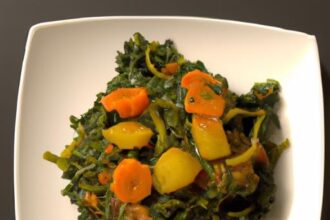
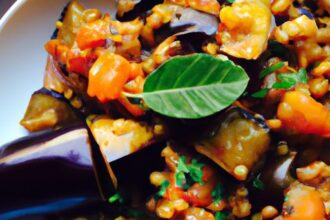
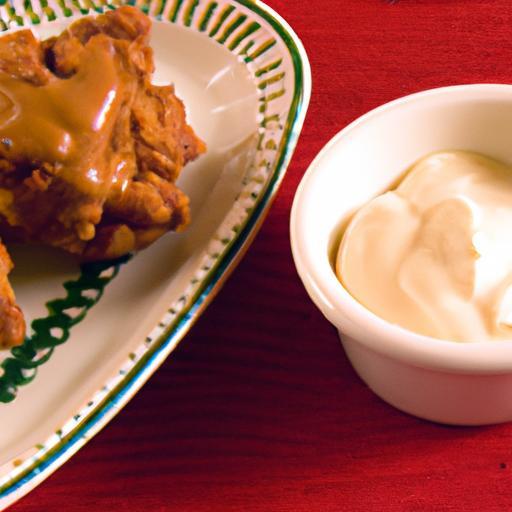
Hearty English Home Cooking embodies warmth, comfort, and the timeless beauty of tradition. Within every dish of Hearty English Home Cooking, there lies a story — one of family gatherings, slow Sundays, and flavors passed lovingly from one generation to the next. The golden crust of a Sunday roast or the hearty richness of a savory stew makes Hearty English Home Cooking a true celebration of heritage and home.
There’s something deeply comforting about Hearty English Home Cooking, where simple ingredients meet time-honored techniques to create meals that nourish both body and soul. Each bite of Hearty English Home Cooking reflects patience, care, and a connection to the past, reminding us that true comfort lies in the familiar. From bubbling casseroles to flaky pies, Hearty English Home Cooking transforms humble staples into culinary treasures.
At the heart of Hearty English Home Cooking is the spirit of togetherness. Families gather around the table, sharing laughter and warmth as Hearty English Home Cooking fills the room with rich aromas and nostalgic memories. These dishes are not just meals — they are love served on a plate, a reflection of Britain’s culinary soul.
Whether you’re a seasoned cook or just discovering this cozy tradition, Hearty English Home Cooking invites you to experience joy in every recipe. Through stews, puddings, and roasts, Hearty English Home Cooking continues to bring people together, one comforting bite at a time — preserving the essence of English kitchens where love, flavor, and heritage live on.
Classic Beef and Root Vegetable Stew
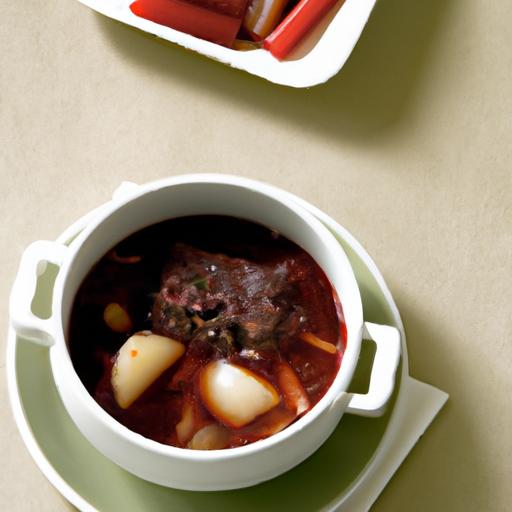
This iconic hearty English home cooking recipe celebrates the art of slow-cooked stews, marrying tender chunks of beef with earthy root vegetables in a silky, robust gravy. Perfect for cooler days,this dish invites you to linger over every spoonful,experiencing the culmination of traditional methods and fresh,locally sourced ingredients.
Prep and Cook Time
- preparation: 20 minutes
- Cooking: 2 hours 30 minutes
- Total Time: 2 hours 50 minutes
Yield
- servings: 6 hearty portions
Difficulty Level
- Medium
Ingredients
- 1.5 lbs beef chuck, cut into 1-inch cubes
- 2 tbsp plain flour, sifted
- 3 tbsp vegetable oil
- 1 large onion, finely chopped
- 3 cloves garlic, minced
- 3 medium carrots, peeled and sliced into rounds
- 2 parsnips, peeled and chopped
- 1 large potato, peeled and cubed
- 2 cups beef stock (preferably homemade or low-sodium)
- 1 cup robust red wine (optional but recommended)
- 2 tsp Worcestershire sauce
- 1 tsp dried thyme
- 1 bay leaf
- Salt and freshly ground black pepper, to taste
- Fresh parsley for garnish
Instructions
- Coat the beef: Toss the beef cubes in the sifted flour until well coated; this helps thicken the stew during cooking.
- brown the beef: Heat 2 tbsp of vegetable oil in a heavy-bottomed pot over medium-high heat. Add the beef in batches, sautéing until golden brown on all sides, about 5 minutes per batch. Remove and set aside.
- Sauté the aromatics: In the same pot, add the remaining 1 tbsp of oil and sauté the onion and garlic over medium heat until translucent and fragrant, approximately 5-7 minutes.
- Deglaze: pour in the red wine (if using) and use a wooden spoon to scrape up any caramelized bits from the bottom of the pot. let it simmer for 2 minutes to reduce slightly.
- Add the veggies and beef: Return the browned beef to the pot along with carrots, parsnips, potatoes, Worcestershire sauce, thyme, bay leaf, and beef stock.
- Simmer low and slow: Bring the stew to a gentle boil, then reduce heat to low, cover, and let simmer for 2 to 2.5 hours until the beef is fork-tender and the vegetables are silky soft.
- Season and finish: Remove the bay leaf. Taste and adjust seasoning with salt and pepper. For a thicker gravy, remove the lid in the last 15 minutes. Garnish with freshly chopped parsley before serving.
Tips for Success
- Use a heavy cast-iron or enameled pot to ensure even heat distribution.
- If wine isn’t to your taste,substitute with extra beef stock and a splash of balsamic vinegar for acidity.
- For richer flavour, marinate the beef in Worcestershire sauce and thyme overnight.
- Make-ahead: The stew tastes even better the next day! Reheat gently on the stove or in a slow cooker.
Serving Suggestions
Serve this stew piping hot in deep bowls, accompanied by thick slices of crusty bread or traditional Yorkshire pudding to mop up the tasty gravy. A simple side of buttered green peas or steamed cabbage adds a fresh contrast.Sprinkle with a few sprigs of fresh parsley for a vibrant finish.

| Nutrient | per Serving |
|---|---|
| Calories | 450 kcal |
| Protein | 38 g |
| Carbohydrates | 30 g |
| Fat | 18 g |
Discover more about the art of English roasts to complement your stew nights. For a deeper dive into the cultural history of English cuisine, visit British Council’s Food Heritage.
Q&A
Q&A: Hearty English Home Cooking – Timeless Recipes and Traditions
Q1: What defines “hearty” English home cooking?
A1: Hearty english home cooking is all about warmth,comfort,and nourishment. It’s the kind of food that fills both the stomach and the soul-robust stews, golden roast meats, creamy puddings, and flaky pies, crafted with humble ingredients yet rich in flavor. These dishes often hark back to simpler times,where every meal was a celebration of family,tradition,and the seasons.
Q2: Which classic dishes best represent traditional English home cooking?
A2: Think iconic dishes like Beef Wellington, Sunday roast with all the trimmings, Shepherd’s Pie, Toad in the Hole, and Lancashire hotpot. for sweeter moments, treacle tart and spotted dick are quintessential. Each recipe carries stories from generations past, lovingly handed down and perfected.
Q3: How do seasonality and locality influence English home cooking traditions?
A3: English cooking has always been tied closely to the seasons and local produce. root vegetables, game meats, and fresh greens appear as the year unfolds, allowing cooks to craft meals that celebrate the natural bounty. This connection ensures dishes are both fresh and deeply reflective of their regional origins, from Cornish pasties to Yorkshire puddings.
Q4: What role do holidays and family gatherings play in shaping english home cooking?
A4: Meals are the heartbeat of English celebrations-Christmas plum pudding, Easter lamb roasts, and Boxing Day cold cuts all carry significance beyond flavor. Family gatherings are moments when recipes resurface, traditions are honored, and kitchens fill with the comforting aromas of nostalgia, tying generations together.
Q5: How have English home cooking traditions evolved in modern times?
A5: While many classic recipes remain beloved staples, contemporary cooks often blend tradition with innovation-incorporating global influences, adapting for dietary preferences, or using modern kitchen techniques.However, the spirit of hearty home cooking endures: nourishing, satisfying plates that welcome everyone to the table.
Q6: why is it vital to preserve these timeless recipes?
A6: Preserving these recipes means more than just keeping dishes alive; it’s about maintaining a cultural connection,honoring history,and sharing identity through food.Each recipe is a story, a glimpse into English life and values-and continuing these culinary traditions keeps that story vibrant for generations to come.
Wrapping Up
As the comforting aromas of simmering stews and freshly baked breads linger in our memories, hearty English home cooking reminds us that food is more than sustenance-it’s a bridge to our past and a celebration of tradition.These timeless recipes, passed down through generations, invite us to slow down, gather around the table, and savor the simple yet profound pleasures of homemade fare. Whether it’s a classic Sunday roast or a humble shepherd’s pie, each dish tells a story of warmth, community, and enduring flavors that continue to nourish both body and soul.In embracing these culinary traditions, we keep alive the heart of English home cooking-a delicious legacy worth cherishing and sharing for years to come.