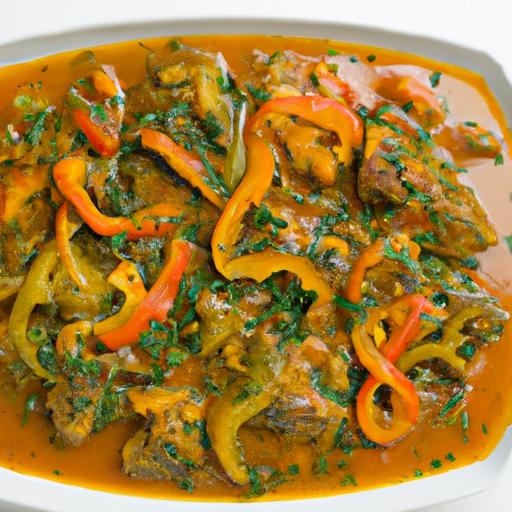
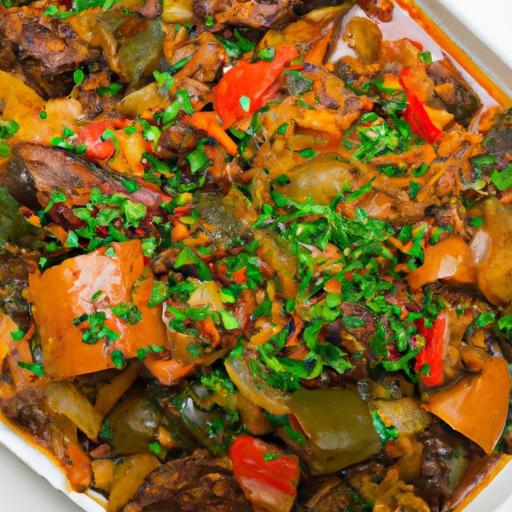
In the vibrant world of Nigerian cuisine, few dishes ignite the senses quite like Isi Ewu—a fiery goat head stew that carries boldness in every bite. More than just a meal, Isi Ewu is a cultural symbol of the Igbo people, steeped in tradition, flavor, and celebration. Cooked with tender goat head meat, creamy palm oil, and an aromatic spice mix, Isi Ewu is a dish that thrills the adventurous palate and rewards it with unforgettable taste. Each serving of Isi Ewu tells a story of heritage and community, making it one of Nigeria’s most beloved traditional stews.
The origins of Isi Ewu are deeply rooted in southeastern Nigeria, where communal gatherings often feature this fiery delicacy. At festive events, Isi Ewu is prepared with care, blending goat head meat and spices into a rich stew that symbolizes togetherness and joy. The fiery palm oil base makes Isi Ewu unique, giving the dish its vibrant color and irresistible depth of flavor. Whether at a street food stall or a family celebration, Isi Ewu continues to capture hearts and taste buds across Nigeria.
To savor Isi Ewu is to experience more than a stew—it is to embrace a culinary heritage passed down through generations. Preparing Isi Ewu requires patience, skill, and respect for tradition, as each step enhances the stew’s fiery taste and rich aroma. With every bite, Isi Ewu offers a warm embrace of culture, history, and passion. Today, Isi Ewu remains a fiery delight that showcases Nigeria’s resourcefulness and vibrant food culture, proving why this goat head stew is cherished worldwide. Truly, Isi Ewu is Nigeria’s fiery goat head stew delight.
Prep and Cook Time
- Readiness: 30 minutes
- Cooking: 1 hour 15 minutes
- Total Time: 1 hour 45 minutes
Yield
- Serves 6 people generously
Difficulty level
- Medium – perfect for adventurous home cooks eager to master authentic Nigerian flavors
Ingredients
- 1 whole goat head (cleaned, split if large)
- 1/2 cup palm oil, heated till reddish-orange
- 2 tablespoons Ugba (fermented oil bean seeds, finely chopped)
- 1 medium onion, finely chopped
- 2 tablespoons ground crayfish
- 4 Scotch bonnet peppers (adjust for heat preference)
- 2 tablespoons dried rodo pepper flakes (optional for extra heat)
- 1 teaspoon potash (kanwa, dissolved in water, for thickening)
- 1 cup water or meat stock
- Salt to taste
- 1 teaspoon bouillon powder (Maggi or Knorr)
- Fresh Utazi leaves (Gongronema latifolium), sliced thinly, for garnish and mild bitterness
- Bay leaves for aromatic depth
- 2 tablespoons palm kernel oil (optional, for richer flavor)
Instructions
- Prepare the goat head: Thoroughly clean and parboil the goat head in salted water with a bay leaf for 45 minutes until the meat is tender yet still firm. Remove, cool slightly, and debone as much as possible, chopping the meat into bite-sized pieces. Retain some skin and cartilage for authentic texture.
- Heat the palm oil: Slowly heat the palm oil in a thick-bottomed pot over medium heat until it breaks and becomes a vibrant red-orange, being careful not to burn it.
- Sauté aromatics & spices: Add finely chopped onions, Ugba, and ground crayfish to the hot palm oil.Stir continuously until the onions turn translucent and the mixture becomes fragrant,approximately 5 minutes.
- Add peppers carefully: Grind Scotch bonnet peppers and dried rodo flakes together. Add the spicy blend to the pot, stirring thoroughly. Cook for 3-4 minutes to bloom the heat without overpowering.
- Incorporate goat meat: add the chopped goat head meat into the spicy palm oil mixture. Pour in the dissolved potash to thicken the sauce and the water or stock. Mix well to coat all pieces evenly.
- Simmer & season: Cover the stew and simmer on low heat for another 25-30 minutes,stirring occasionally to prevent sticking.Add salt and bouillon powder to enhance depth. Adjust seasoning and spice level carefully.
- Final touches: If using, stir in palm kernel oil for extra richness. Sprinkle sliced Utazi leaves just before serving for a balance of pungency and mild bitterness that cuts through the stew’s fiery heat.
- Serve hot: Transfer to a serving bowl and garnish with additional Ugba and a few fresh Utazi leaves for color and aroma.
Tips for Success
- Potash caution: Use sparingly and dissolve fully before adding to avoid an unpleasant alkaline taste.
- Heat control: Adjust the quantity of Scotch bonnet peppers to suit your tolerance. For newcomers, start with fewer peppers and increase gradually.
- Meat substitution: While goat head is traditional, you can also use tripe or a combination of tougher goat cuts if unavailable.
- Make-ahead: Isi ewu tastes even better the next day as the flavors meld-store refrigerated and gently reheat before serving.
- Vegetarian twist: Substitute goat with smoked tofu or mushrooms and increase palm oil for richness.
Serving Suggestions
Serve Isi Ewu steaming hot alongside classic Nigerian staples such as yellow jollof rice or soft swallows like pounded yam or garri. The intense spice and richness of Isi ewu beautifully contrast with these neutral bases, creating a harmonious dining experience.Garnish with extra Ugba for a nutty crunch and fresh Utazi leaves to complement the stew’s smoky heat. Pair with chilled palm wine or a cold lager for a truly authentic moment.

| Nutritional Info (per serving) | Amount |
|---|---|
| Calories | 380 kcal |
| Protein | 32 g |
| Carbohydrates | 5 g |
| fat | 25 g |
For a deeper dive into Nigerian cuisine’s vibrant spices and traditions,explore our article on Nigerian culinary heritage-a trusted resource offering cultural context and historic insight.
Q&A
Q&A: Isi Ewu Unveiled – Nigeria’s Fiery Goat Head Stew Delight
Q1: What exactly is Isi Ewu?
A1: Isi Ewu is a traditional Nigerian delicacy made from the head of a goat, slow-cooked and stewed with an aromatic blend of spices, palm oil, and local seasonings. The name literally translates to “goat’s head,” and this dish is celebrated for its rich flavors and succulent textures that tell a story of nigeria’s vibrant culinary heritage.
Q2: Why is Isi Ewu so special in Nigerian cuisine?
A2: Isi Ewu holds a special place because it transforms a humble goat head-often overlooked in many other cuisines-into a fiery, flavorful masterpiece. It’s not just a meal; it’s a communal experience, often served during special occasions, festivals, or as an indulgent street food, symbolizing warmth, culture, and celebration.
Q3: What makes Isi Ewu so fiery and flavorful?
A3: The magic lies in its unique blend of spices,including ntcha spice or calabash nutmeg,chili peppers,onions,and utazi leaves,along with rich palm oil stewed to perfection.This combination results in a perfect balance of heat, earthiness, and a hint of bitterness that tingles the palate and keeps you coming back for more.
Q4: How is Isi Ewu traditionally prepared?
A4: Traditionally,the goat head is thoroughly cleaned and boiled until tender. It is then chopped into bite-sized pieces and simmered in a spicy, oily sauce brewed from a medley of seasonings and thickened with ground seeds or spices. Utazi leaves are added at the end to introduce a subtle bitterness that cuts through the richness, adding depth to the stew.
Q5: Can Isi Ewu be enjoyed by everyone, or is it an acquired taste?
A5: While Isi Ewu is deeply beloved by many Nigerians, especially those who appreciate bold, intense flavors, it can be an acquired taste for newcomers due to its distinct spiciness and the fact that it features goat head, including brain and other unique textures.However, adventurous food lovers who dive in often find a newfound gratitude for its complex layers.
Q6: What are some cultural or social contexts where Isi Ewu shines?
A6: Isi Ewu is typically enjoyed during communal gatherings, traditional weddings, and festivals, where its preparation and sharing foster a sense of belonging and celebration. It’s also a popular dish at local street food stalls, where vendors serve it piping hot alongside chilled palm wine or beer, enhancing the convivial atmosphere.
Q7: Is Isi Ewu prepared differently across Nigeria?
A7: Yes! While Isi Ewu is most famously associated with the Igbo people of southeastern Nigeria, variations exist across regions.Some may adjust the spice levels or add unique local ingredients,but the core essence-a slow-cooked goat head enveloped in fiery,savory sauce-remains consistent,showcasing Nigeria’s rich culinary diversity.Q8: How can I experience Isi Ewu if I’m not in Nigeria?
A8: If you’re eager to try Isi Ewu abroad, the best approach is to seek out Nigerian restaurants or culinary festivals that showcase authentic West African cuisine. Alternatively, adventurous home cooks can find recipes online and source ingredients from African markets to recreate this fiery delight in their own kitchens-just be ready for a spicy, soulful journey!
The Way Forward
As the rich aroma of isi Ewu lingers in the air, so too does the legacy of this fiery goat head stew-a dish that is much more than a meal. It is a vibrant tapestry woven from Nigeria’s cultural heritage, bold flavors, and communal spirit. Whether savored at a bustling street market or shared among family at home, Isi ewu invites both adventurous food lovers and cultural explorers to experience a taste of Nigeria’s culinary soul. So next time you seek a dish that ignites your palate and tells a story with every spicy, tender bite, remember Isi Ewu: a fiery delight that continues to captivate and celebrate the heart of Nigerian cuisine.