


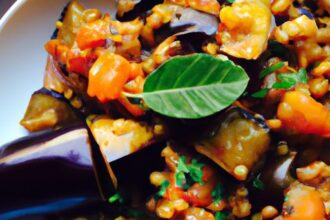
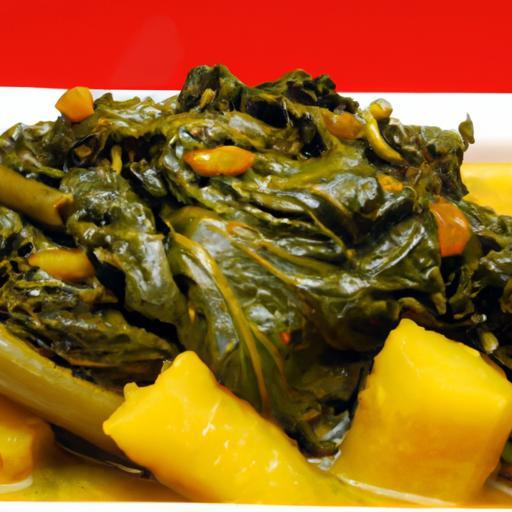
In the heart of East Africa, where tradition and taste intertwine, Rwandan Isombe emerges as a vibrant culinary jewel. This beloved dish transforms humble cassava leaves into a luscious symphony of flavors, gently steeped in the rich, creamy essence of groundnuts. More then just a meal, Isombe is a story on a plate-one that celebrates the land’s bounty, the wisdom of generations, and the simple delight of comfort food crafted with care. Join us as we delve into the origins, readiness, and cultural significance of this iconic Rwandan delicacy, revealing why cassava leaves soaked in groundnut flavor have captured the hearts and palates of many.
Rwandan Isombe: Cassava Leaves Steeped in Groundnut Flavor
Rwandan Isombe: cassava leaves steeped in groundnut flavor combines centuries-old traditions with vibrant, earthy ingredients that nurture the body and soul. Originating from the heart of Rwanda, Isombe celebrates the humble cassava leaf-an ingredient bursting with antioxidants and essential nutrients, transformed by the silky, nutty richness of groundnut paste. This dish is more than just sustenance; its a cultural embrace, a communal feast, and an edible story steeped in family heritage and vibrant flavors.
Prep and Cook Time
- Preparation: 20 minutes
- Cooking: 40 minutes
- Total Time: 1 hour
Yield
Serves 4-6 hearty portions
Difficulty Level
Medium – approachable for cooks familiar with leafy greens and nutty sauces
Ingredients
- 1 lb fresh cassava leaves (or frozen, finely chopped)
- 1 cup smooth groundnut (peanut) paste
- 2 medium onions, finely sliced
- 3 cloves garlic, minced
- 1 large tomato, chopped
- 2 tbsp vegetable oil (e.g., sunflower or peanut oil)
- 1 cup water or vegetable broth
- Salt to taste
- Freshly ground black pepper to taste
- Optional: 1 chili pepper, deseeded and chopped (for mild heat)
- Fresh lemon juice (1 tbsp) for brightening flavor
Instructions
- Prepare the cassava leaves: If using fresh leaves, thoroughly wash and remove stems, then finely chop. If using frozen, allow them to thaw and drain well to remove excess moisture.
- Sauté aromatics: In a large pan, heat vegetable oil over medium heat. Add the onions and garlic, sautéing untill the onions are tender and translucent, about 5 minutes. Stir occasionally to avoid browning.
- Add tomatoes and optional chili: Stir in the chopped tomatoes and chili pepper if using. Cook until the tomatoes soften and release thier juices, about 7 minutes.
- Incorporate cassava leaves: Add the prepared cassava leaves to the pan. Pour in the water or vegetable broth. Stir well, cover, and simmer gently for 20 minutes, stirring occasionally to ensure even cooking.
- Mix in groundnut paste: In a small bowl, thin the groundnut paste with a couple of tablespoons of hot cooking liquid from the cassava leaves mixture, stirring until smooth. Gradually stir this peanut mixture into the pan.
- Simmer and season: Allow the combined ingredients to simmer uncovered for another 10-15 minutes,stirring regularly until the sauce thickens and coats the leaves beautifully. Season with salt, black pepper, and lemon juice to taste.
- Final check and rest: Taste for seasoning and adjust if needed. Remove from heat and let rest for 5 minutes to develop flavors before serving.
Tips for Perfect Rwandan Isombe: Cassava Leaves Steeped in Groundnut Flavor
- Use fresh cassava leaves where possible-they have a brighter flavor and firmer texture. If frozen, defrost slowly and remove excess liquid to prevent a watery dish.
- When thinning the groundnut paste, add cooking liquid gradually to avoid lumps and achieve a rich, creamy consistency.
- Adjust thickness by simmering longer for a thicker sauce or adding more broth for a more stew-like texture.
- For a traditional twist, consider adding smoked fish or small dried shrimp to deepen the umami profile.
- Make-ahead tip: This dish tastes even better the next day as flavors meld-store in an airtight container and gently reheat with a splash of water.
Serving Suggestions
Serve isombe piping hot alongside staples like steamed rice, boiled plantains, or thick cassava flour porridge (ugali). Garnish with fresh chopped coriander or parsley for a pop of green freshness and a squeeze of lime to add zing. Pair with a crisp side salad or sautéed vegetables for a vibrant, balanced meal.

| Nutrient | Per Serving |
|---|---|
| Calories | 220 kcal |
| Protein | 8 g |
| Carbohydrates | 15 g |
| Fat | 12 g |
Learn more about the nutritional value of cassava leaves and traditional African greens on NCBI’s research portal.
Explore other popular african vegetable dishes in our African Vegetable Recipes collection to broaden your culinary adventures.
Q&A
Q&A: Exploring Rwandan isombe – Cassava Leaves Steeped in Groundnut Flavor
Q1: What exactly is Isombe?
A1: Isombe is a beloved traditional Rwandan dish primarily made from cassava leaves, which are finely pounded and cooked until tender. The magic unfolds when these leaves are simmered with groundnut paste (peanut butter),infusing the dish with a rich,creamy,and nutty flavor that’s deeply comforting and uniquely Rwandan.
Q2: Why are cassava leaves used in Isombe?
A2: Cassava leaves are a local staple in many African kitchens for their nutritional wealth. Packed with vitamins A and C, iron, and protein, they serve as both a hearty vegetable and an essential source of nutrients. In Rwanda, their slightly earthy taste and vibrant green color make them perfect for dishes like Isombe.
Q3: How does groundnut paste enhance the dish?
A3: Groundnut paste transforms Isombe from a simple leafy stew into a luscious, velvety delight. The peanuts add a warm,roasted depth and a subtle sweetness that balances the earthiness of the cassava leaves. This marriage of flavors creates a harmony that’s both nourishing and indulgent.Q4: What traditional methods are used to prepare Isombe?
A4: Traditionally, cassava leaves are frist boiled to soften and reduce their bitterness. They’re then pounded using a mortar and pestle to release their flavors and achieve a smooth texture. the groundnut paste is blended in and the mixture is simmered slowly, allowing the flavors to meld beautifully.
Q5: Is Isombe served on its own or with accompaniments?
A5: Isombe is typically enjoyed alongside starchy staples like steamed plantains, rice, or ugali (cornmeal porridge). These companions soak up the saucy, nutty goodness, creating a filling and balanced meal that’s perfect for sharing with family and friends.
Q6: Can Isombe be adapted for modern or international kitchens?
A6: Absolutely! While traditional pounding can be replaced with a food processor or blender, the essence remains. Groundnut paste can be sourced from specialty stores or made at home, and fresh or frozen cassava leaves can be swapped with spinach or kale if necesary-though purists will argue nothing quite replicates the original.
Q7: Why is Isombe notable culturally?
A7: beyond its delightful taste, Isombe is a symbol of Rwandan hospitality and resourcefulness. It showcases the use of indigenous ingredients and reflects communal cooking traditions. Sharing Isombe at gatherings represents connection, heritage, and the joy of simple, wholesome food.
Q8: Where can someone experience authentic Rwandan Isombe?
A8: Authentic Isombe can be savored at Rwandan homes and traditional eateries. While Rwanda’s cuisine is gaining international attention, trying Isombe in its homeland promises the freshest, most vibrant experience-often accompanied by stories and smiles from locals proud of their culinary heritage.
This Q&A offers a flavorful glimpse into Isombe, inviting readers to appreciate not just a dish, but the culture, history, and heart simmering in every pot of cassava leaves steeped in groundnut goodness.
Future Outlook
In the vibrant tapestry of Rwandan cuisine, Isombe stands out as a delicious testament to tradition and ingenuity. This humble dish-cassava leaves richly steeped in the nutty warmth of groundnut paste-offers more than just flavor; it tells a story of resourcefulness, community, and the celebration of local ingredients. Whether enjoyed as a comforting daily staple or savored at festive gatherings, Isombe invites us to experience the heart of Rwanda’s culinary heritage in every bite. As you explore new tastes or revisit familiar ones, may this leaf-wrapped treasure inspire you to appreciate the subtle complexities woven into one of Africa’s most beloved dishes.