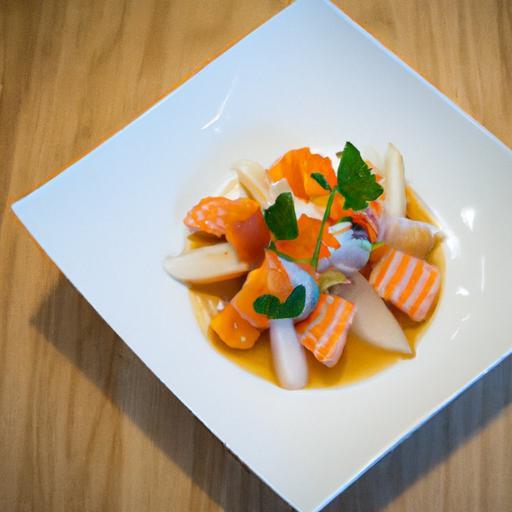
In a world where dietary choices are constantly evolving, Gluten-Free Japanese Cuisine emerges as a delicious bridge between tradition and modern wellness. Once seen as restrictive, gluten-free living is now an invitation to embrace creativity and rediscover authentic flavors through Gluten-Free Japanese Cuisine. Rooted in balance and artistry, Gluten-Free Japanese Cuisine transforms every meal into a celebration of mindful eating and cultural respect.
Renowned for its precision and harmony, Japanese cooking naturally lends itself to Gluten-Free Japanese Cuisine, showcasing pure ingredients and thoughtful preparation. From the artful arrangement of sashimi to the soothing warmth of miso soup, Gluten-Free Japanese Cuisine proves that flavor and health can coexist beautifully. Each dish tells a story — one where craftsmanship meets innovation, and Gluten-Free Japanese Cuisine preserves authenticity while embracing today’s dietary needs.
Step into the serene world of Gluten-Free Japanese Cuisine, where soy sauce finds its gluten-free counterpart in tamari, and rice flour replaces wheat without losing texture or taste. Gluten-Free Japanese Cuisine is about honoring tradition while unlocking new dimensions of taste and nourishment. Every bowl, every roll, and every bite crafted within Gluten-Free Japanese Cuisine reflects a delicate harmony between heritage and health.
Whether you’re savoring sushi, nibbling on edamame, or mastering your own rolls, Gluten-Free Japanese Cuisine offers endless possibilities for exploration. Dishes like Avocado Cucumber Sushi Rolls bring freshness and visual elegance to your table, embodying everything Gluten-Free Japanese Cuisine stands for — simplicity, balance, and refined pleasure.
For newcomers, Gluten-Free Japanese Cuisine opens the door to mindful eating that delights the senses while respecting the body. For seasoned food lovers, Gluten-Free Japanese Cuisine reignites appreciation for Japan’s culinary finesse through a gluten-free lens. It’s more than a diet; it’s a flavorful philosophy that redefines comfort and sophistication.
Ultimately, Gluten-Free Japanese Cuisine isn’t about restriction but transformation. It allows traditional flavors to shine through innovative adaptations that remain true to Japanese spirit. From Kyoto-inspired broths to Tokyo-style sushi bars, Gluten-Free Japanese Cuisine unites the old and new — a timeless dance of taste and texture.
Join us on this flavorful journey through Gluten-Free Japanese Cuisine, where each recipe invites discovery, mindfulness, and joy. Rediscover the art of flavor — refreshed, reinvented, and irresistibly Gluten-Free Japanese Cuisine.
Prep and Cook Time
- Preparation Time: 25 minutes
- Cook Time: 15 minutes (rice cooking)
- Total Time: 40 minutes
Yield
Serves 4 (approximately 16 sushi rolls)
Difficulty Level
Medium – beginner sushi chefs welcome!
Ingredients
- 2 cups Japanese short-grain sushi rice, rinsed until clear water runs
- 2 1/2 cups water
- 1/3 cup rice vinegar
- 2 tbsp organic cane sugar
- 1 tsp fine sea salt
- 4 sheets nori (seaweed), gluten-free
- 1 ripe avocado, thinly sliced
- 1/2 English cucumber, julienned
- 2 tbsp tamari sauce (gluten-free soy sauce choice)
- 1 tbsp toasted sesame seeds
- Pickled ginger and wasabi for serving
- Bamboo sushi rolling mat (wrapped in plastic wrap for easy cleanup)
Instructions
- Cook the sushi rice: Place rinsed rice and water into a heavy-bottomed pot. Bring to a boil over medium-high heat,then reduce to low and cover.Simmer for 15 minutes. Remove from heat and let stand, covered, for 10 minutes.
- Prepare sushi vinegar: In a small saucepan, combine rice vinegar, sugar, and salt. Warm gently until sugar and salt dissolve entirely. Let cool.
- Season the rice: Transfer cooked rice to a large bowl. Using a wooden spoon, fold in vinegar mixture gently while fanning the rice simultaneously to cool it quickly-this creates the perfect glossy texture.
- Prepare filling: Slice avocado and julienne cucumber into thin, uniform strips for neat rolling and balanced flavor.
- Assemble sushi rolls: Place nori sheet shiny side down on bamboo mat. Moisten hands with water to prevent sticking,then spread a thin,even layer of sushi rice tightly over nori,leaving a 1-inch border at the top edge.
- Layer fillings: Arrange several avocado slices and cucumber sticks horizontally across the bottom third of rice-covered nori.
- Roll it up: Using the bamboo mat, gently lift the edge closest to you and roll tightly over the fillings, pulling mat away as you go to avoid rolling it into the sushi. Seal the edge with a little water.
- Slice rolls: Use a sharp, wet knife to cut each roll into 4 equal pieces. Clean the knife blade between cuts to maintain clean slices.
- Garnish and serve: Sprinkle rolls with toasted sesame seeds. Plate with pickled ginger,a dollop of wasabi,and tamari sauce for dipping.
Chef’s Notes
- For a vibrant visual twist, incorporate thin strips of carrot or bell pepper alongside cucumber.
- Make your sushi rice a day ahead and store in the refrigerator; re-season lightly before assembling to maintain freshness.
- Opt for a rice cooker to streamline the cooking process and achieve perfectly textured rice every time.
- If you’re avoiding seeds, swap toasted sesame seeds with finely chopped nori bits.
- For sashimi lovers,pair this sushi roll with freshly sliced wild-caught salmon or tuna for an elegant gluten-free sushi platter.
Serving Suggestions
Present these rolls on a minimalist black lacquer tray or bamboo board to emphasize their vibrant greens and pristine whites. Complement the dish with a bowl of gluten-free miso soup made with gluten-free white miso. Add fresh shiso leaves and edible flowers like chrysanthemum petals for an elegant touch. Sip on chilled sake or green tea to enhance the authentic experience.

| Nutrient | per Serving (4 rolls) |
|---|---|
| Calories | 210 kcal |
| Protein | 4 g |
| Carbohydrates | 36 g |
| Fat | 6 g |
For further inspiration, explore our guide on making authentic gluten-free miso soup, a comforting complement to your sushi experience. To deepen your understanding of traditional Japanese ingredients, visit the Japan Guide’s overview of Japanese food culture.
Q&A
Q&A: Gluten-Free Japanese Cuisine: Delicious Traditions Reimagined
Q1: What makes traditional Japanese cuisine naturally gluten-free?
A1: Many classic Japanese ingredients-like fresh fish, rice, seaweed, and vegetables-are inherently gluten-free. Staples such as sushi, sashimi, and plain steamed rice provide a safe and delicious base. However, some iconic components like soy sauce and tempura batter traditionally contain wheat, which calls for creative adaptations to keep dishes gluten-free.
Q2: How is soy sauce adapted for gluten-free diets in Japanese cooking?
A2: Tamari is the gluten-free hero here. Unlike regular soy sauce, tamari is ofen brewed with little to no wheat, offering the same deep, savory umami notes without gluten. It seamlessly replaces soy sauce in marinades, dipping sauces, and dressings, letting you enjoy authentic flavors worry-free.
Q3: Can you still enjoy tempura without gluten?
A3: Absolutely! Gluten-free tempura batter is a triumph of texture and flavor. by swapping traditional wheat flour for rice flour or a blend of gluten-free starches like potato or cornstarch, chefs achieve that light, crispy golden crunch. Paired with gluten-free dipping sauces, tempura remains a delightful indulgence.
Q4: Are there traditional Japanese dishes that are naturally gluten-free and often overlooked?
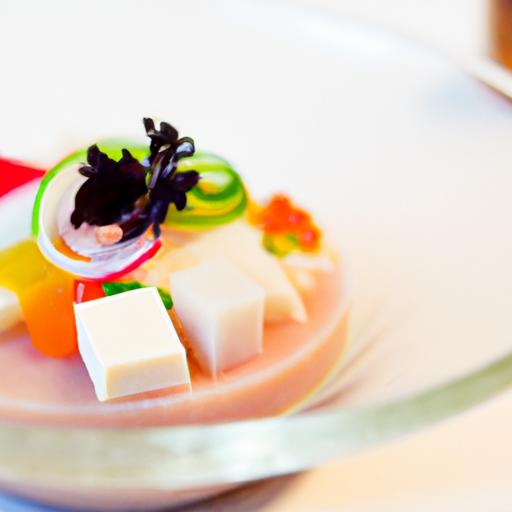
A4: Yes! Dishes like Chawanmushi (a silky steamed egg custard), Oyakodon (chicken and egg rice bowl with gluten-free soy sauce), and Yudofu (simmered tofu) revolve around simple, wholesome ingredients without wheat. These gems highlight how Japanese culinary tradition can nourish without gluten.
Q5: How can one experience authentic umami flavors without soy sauce?
A5: Beyond tamari, ingredients like dashi (a savory broth made from kombu seaweed and bonito flakes), miso (check for gluten-free varieties), and fresh mushrooms add depth and complexity. Mushroom-based sauces and seasonings can also enhance dishes without relying on wheat-based condiments.
Q6: What’s the secret to making gluten-free ramen that satisfies cravings?
A6: The magic lies in the noodles and broth. Gluten-free ramen noodles made from rice, buckwheat (100% soba), or other grains fill the bowl with satisfying texture. Coupled with rich, flavorful broths-miso, shoyu (using tamari), or tonkotsu-style-gluten-free ramen becomes a comforting, crave-worthy experience.
Q7: How is dessert approached in gluten-free Japanese cuisine?
A7: Traditional sweets like mochi (sweet rice cakes) are naturally gluten-free and delightfully chewy. Sweet red bean paste, fresh fruit, and matcha-infused treats offer a world of gluten-free indulgences. Creative modern chefs also reimagine desserts using rice flour and other gluten-free bases, proving that tradition and innovation go hand in hand.
Q8: What advice do you have for those new to gluten-free Japanese cooking?
A8: Embrace the adventure! Start with naturally gluten-free dishes and gradually experiment with substitutions. Seek out gluten-free certified products like tamari and rice noodles. Exploring local japanese markets can introduce new flavors and ingredients. Most importantly, trust your palate-Japanese cuisine’s subtle harmony and umami depth shine brilliantly, gluten or not.
This Q&A invites readers to discover how the rich, nuanced world of Japanese cuisine can be wonderfully enjoyed without gluten-honoring tradition while celebrating innovation.
In Retrospect
As the rich tapestry of Japanese cuisine unfolds through its naturally gluten-free foundations and thoughtful adaptations, it becomes clear that tradition and innovation can coexist beautifully on the plate. from tender sushi rolls to hearty miso soups and inventive rice-based desserts, gluten-free Japanese dishes invite us to savor authentic flavors without compromise. By embracing these delicious reimaginings, we not only honor centuries-old culinary heritage but also open the door to a more inclusive dining experience-where everyone can partake in the delicate balance of umami, texture, and artistry that defines Japan’s vibrant food culture. So next time you seek a meal that is both mindful and mouthwatering, let gluten-free Japanese cuisine guide your journey into a world of taste that is refreshingly familiar, yet wonderfully new.